1 citations
,
May 2023 in “The Journal of Immunology” CD4 T cells can cause alopecia areata by activating CD8 T cells to attack hair follicles.
ILC1-like cells can independently cause alopecia areata by affecting hair follicles.
 April 2017 in “Journal of Investigative Dermatology”
 Blood cells turned into stem cells can become skin cells similar to normal ones, potentially helping in skin therapies.
 5 citations
,
January 2005 in “Cytotherapy”
5 citations
,
January 2005 in “Cytotherapy” The meeting highlighted important advances in stem cell research and its potential for creating new medical treatments.
 356 citations
,
December 1986 in “The journal of cell biology/The Journal of cell biology”
356 citations
,
December 1986 in “The journal of cell biology/The Journal of cell biology” Hair and nail cells share similar proteins, indicating a common differentiation pathway.
 49 citations
,
October 2009 in “Cancer research”
49 citations
,
October 2009 in “Cancer research” Disrupting Stat3 in hair follicle stem cells greatly reduces skin tumor formation.
 11 citations
,
September 1999 in “Journal of the European Academy of Dermatology and Venereology”
11 citations
,
September 1999 in “Journal of the European Academy of Dermatology and Venereology” Immunomodulatory therapies are effective for treating cutaneous lymphoma, particularly in early stages.
 3 citations
,
April 2022 in “Cutis”
3 citations
,
April 2022 in “Cutis” CCCA is a common, scarring hair loss in Black women that needs early detection.
87 citations
,
March 2015 in “The EMBO Journal” Adult tissue stem cells can adapt and switch roles to help repair and maintain the body.
June 2020 in “bioRxiv (Cold Spring Harbor Laboratory)” Stem and progenitor cells in the eye have different division rates and locations, affecting how they respond to injury.
 September 2020 in “Kocatepe Veterinary Journal”
 Equine adipose stem cells can become different cell types and are promising for healing injuries.
4 citations
,
January 2011 in “Cell stem cell” Hair follicle stem cells can return to their original niche and help regenerate hair.
 9 citations
,
January 2017 in “Virchows Archiv”
9 citations
,
January 2017 in “Virchows Archiv” LGR5 and LGR6 are expressed differently in various skin tumors, which may offer clues about their origins.
February 2026 in “Journal of Allergy and Clinical Immunology” Alopecia areata involves immune system issues and specific cell types that disrupt hair growth, leading to hair loss.
2 citations
,
January 2009 in “Human cell culture” January 2014 in “Institutional Repositories DataBase (IRDB)” Fibroblast spheres can form stem cells, but marker distribution needs more study.
3 citations
,
January 2022 in “Burns & Trauma” CTHRC1 helps sweat glands recover by rebuilding nearby blood vessels.
31 citations
,
June 2022 in “Stem Cell Research & Therapy” CD146 + mesenchymal stem cells are more effective for treating premature ovarian failure.
 November 2022 in “The journal of investigative dermatology/Journal of investigative dermatology”
 Skin organoids with NCSTN mutation show changes in hair follicle development and higher inflammation, key features of Hidradenitis Suppurativa.
January 2026 in “Case Reports in Dermatological Medicine” Intralesional steroids effectively treated a young female's scalp nodules without recurrence.
 1 citations
,
October 2022 in “International Journal of Molecular Sciences”
1 citations
,
October 2022 in “International Journal of Molecular Sciences” Using healthy donor stem cells can potentially calm overactive immune cells and reduce inflammation in severe hair loss patients, offering a possible treatment method.
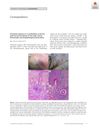 2 citations
,
June 2018 in “Clinical and Experimental Dermatology”
2 citations
,
June 2018 in “Clinical and Experimental Dermatology” Permanent hair loss after a stem cell transplant can be a sign of chronic immune system attack on the scalp.
 January 2026 in “Figshare”
 ASLNC168501 may help treat hair loss by boosting hair follicle stem cell activity.
January 2026 in “Dermatologic Therapy” APCs may improve hair density in cicatricial alopecia but effects may not last long.
105 citations
,
October 2018 in “Nature” A small group of slow-growing cells causes basal cell carcinoma to return after treatment.
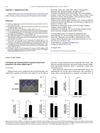 11 citations
,
June 2012 in “Journal of Dermatological Science”
11 citations
,
June 2012 in “Journal of Dermatological Science” Scientists identified a group of human skin cells with high growth and regeneration potential.
3 citations
,
January 2016 in “Journal of Clinical & Cellular Immunology” Targeting CXCL10 may help treat alopecia areata.
July 2022 in “Journal of Investigative Dermatology” Arg1+ macrophages may play a role in Alopecia Areata, offering new treatment targets.
December 2019 in “theses.fr (ABES)” Lower TGFß1 levels help stem cells become beige fat cells.
 5 citations
,
February 2022 in “Supportive Care in Cancer”
5 citations
,
February 2022 in “Supportive Care in Cancer” Older age is the main risk factor for hemorrhagic cystitis after stem cell transplants.