2 citations
,
February 1990 in “PubMed” DDR-II hair follicle cells don't respond to 1, 25-dihydroxyvitamin D3, aiding diagnosis.
November 2025 in “International Journal of Bio-resource and Stress Management” MRSA in dogs can spread to humans, so infection control is crucial.
 March 2010 in “Ejc Supplements”
 ROR-alpha may increase the growth of certain breast cancer cells by boosting aromatase, which could affect breast cancer prognosis.
January 2008 in “Infoscience (Ecole Polytechnique Fédérale de Lausanne)” Thymic epithelial cells may be related to skin stem cells.
Stem cells play a key role in nonmelanoma skin cancers, with different origins and genetic changes linked to basal and squamous cell carcinomas.
 363 citations
,
March 2017 in “Nature Communications”
363 citations
,
March 2017 in “Nature Communications” Stem cells help heal wounds by rapidly dividing and migrating to the wound edge.
 351 citations
,
February 2010 in “Nature Cell Biology”
351 citations
,
February 2010 in “Nature Cell Biology” Basal cell carcinoma mostly starts from cells in the upper skin layers, not hair follicle stem cells.
268 citations
,
December 2003 in “Experimental Dermatology” Hair follicle cells can become fat and bone cells.
 29 citations
,
January 2010 in “Methods in Enzymology”
29 citations
,
January 2010 in “Methods in Enzymology” The document concludes that careful design of genetic fate mapping experiments is crucial for accurate cell lineage tracing in mice.
17 citations
,
January 2014 in “Journal of Oral and Maxillofacial Pathology” Seborrheic keratosis is a common, harmless skin growth that can look like cancer, so it may need a biopsy.
12 citations
,
June 2013 in “International Journal of Dermatology” Seborrheic keratosis shows varied cell differentiation, and keratin analysis helps diagnose skin tumors.
2 citations
,
November 2020 in “The American journal of dermatopathology/American journal of dermatopathology” Sweat duct differentiation in trichilemmal cysts is very rare and can be successfully removed with surgery.
2 citations
,
June 2013 in “In Vitro Cellular & Developmental Biology - Animal” Melanocytes from human fetal hair follicles were successfully cultured, showing potential for hair disease research and clinical use.
 1 citations
,
April 2021 in “Current Stem Cell Reports”
1 citations
,
April 2021 in “Current Stem Cell Reports” Eating less can improve stem cell function and increase lifespan.
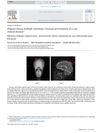 April 2017 in “Medicina Clínica (english Edition)”
 A woman with a rare form of multiple myeloma had a headache and a skull mass, which led to her diagnosis after tests and a biopsy.
4 citations
,
June 2025 in “Cell Reports” Clonally expanded CD8+ T cells cause alopecia areata.
 December 2024 in “Kırıkkale Üniversitesi Tıp Fakültesi Dergisi”
 Chromosomal microarray analysis is important for diagnosing rare genetic variations and guiding treatment.
8 citations
,
July 2015 in “Molecular cytogenetics” A complex X chromosome rearrangement can increase the risk of multiple autoimmune diseases.
January 2026 in “Human Mutation” T cell subsets are crucial in kidney cancer, and a new model predicts patient outcomes using key genes.
29 citations
,
June 2016 in “Experimental Dermatology” MCHR2 gene duplications may be linked to alopecia areata.
Deleting the MAD2L1 gene in mice led to rapid tumor growth despite chromosomal instability.
32 citations
,
August 2016 in “Science Signaling” Alopecia areata patients show unique protein activity patterns, suggesting imbalanced signaling pathways.
Deleting the MAD2L1 gene is tolerated in certain mouse cancer models.
November 2024 in “Journal of Investigative Dermatology” Certain NK cell changes in blood may indicate alopecia areata progression.
13 citations
,
June 2012 in “European journal of medical genetics” Identical twins had different symptoms because one had more cells with an extra chromosome fragment in different tissues.
July 2024 in “Journal of Investigative Dermatology” CD8+ T cells expand significantly in alopecia areata, suggesting new treatment targets.
14 citations
,
February 2003 in “Journal of the American Academy of Dermatology” Folliculotropic mycosis fungoides can affect the central nervous system in advanced stages.
 17 citations
,
November 2017 in “PLoS ONE”
17 citations
,
November 2017 in “PLoS ONE” Transplanted bone marrow cells actively move, form clusters, and grow after transplantation.
 April 2023 in “Cancer research”
 KRTAP2-3 could help predict cancer recurrence by identifying specific cancer cells.
July 2024 in “Journal of Investigative Dermatology” A new test helps find drugs to treat head and neck cancer by targeting c-Rel.