 April 2019 in “Journal of Investigative Dermatology”
 Removing REDD1 in mice increases skin fat by making fat cells larger and more numerous.
114 citations
,
May 2001 in “Development” Overexpression of Hoxc13 in hair cells causes hair loss and skin issues.
 11 citations
,
September 2011 in “Biochemical journal”
11 citations
,
September 2011 in “Biochemical journal” Neurotrophin-4 increases calcium current in specific mouse neurons through the PI3K pathway.
Lhx2 helps retinal cells respond to signals for eye development.
Thymosin β4 helps with healing, inflammation, and organ protection.
12 citations
,
October 2024 in “Cell” March 2026 in “Journal of Enzyme Inhibition and Medicinal Chemistry” PROTACs show promise in cancer treatment by effectively degrading specific harmful proteins.
101 citations
,
October 2007 in “Journal of Biological Chemistry” Reduced matriptase activity causes skin and hair issues in both humans and mice.
14 citations
,
July 2021 in “Bioscience Reports” Activating Tgr5 may help treat hair loss and bone loss.
18 citations
,
June 2001 in “Journal of Investigative Dermatology” Adding a specific gene to skin cells can help treat skin disorders like psoriasis.
May 2025 in “Experimental Dermatology” A new genetic tool improves the study of hair growth and potential hair disorder treatments.
 69 citations
,
January 2013 in “Frontiers in Immunology”
69 citations
,
January 2013 in “Frontiers in Immunology” The FOXN1 gene is crucial for developing immune cells and preventing immune disorders.
32 citations
,
August 2016 in “Science Signaling” Alopecia areata patients show unique protein activity patterns, suggesting imbalanced signaling pathways.
305 citations
,
March 2008 in “AJP Endocrinology and Metabolism” SSAT is a key enzyme affecting cell growth and metabolism, with potential but risky use in disease treatment.
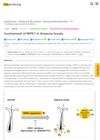
RIPK1 inhibitors might help prevent alopecia areata.
166 citations
,
February 2005 in “Behavioural brain research” Vitamin D receptor knockout mice have significant motor impairments but no cognitive deficits.
Deleting the MAD2L1 gene in mice led to rapid tumor growth despite chromosomal instability.
 April 2023 in “Research Square (Research Square)”
 A specific RNA helps increase the growth of skin cells in Liaoning cashmere goats by working with a protein to boost a growth-related gene.
 4 citations
,
May 2021 in “The journal of investigative dermatology/Journal of investigative dermatology”
4 citations
,
May 2021 in “The journal of investigative dermatology/Journal of investigative dermatology” ELL is crucial for gene transcription related to skin cell growth.
13 citations
,
January 2018 in “Yonsei Medical Journal” A specific gene mutation causes Olmsted syndrome.
44 citations
,
October 2016 in “Epilepsia” 2-DG reduces seizures by enhancing brain inhibition through specific receptor activation.
29 citations
,
October 2004 in “Differentiation” Multiple mouse desmoglein 1 isoforms have distinct roles in skin and hair development.
 10 citations
,
November 2018 in “Genetics in medicine”
10 citations
,
November 2018 in “Genetics in medicine” Lack of cystatin M/E causes thin hair and dry skin.
2 citations
,
September 2004 in “Experimental Dermatology” VR1 signaling can inhibit hair growth by affecting cell processes and increasing hair growth inhibitors.
 April 2023 in “The journal of investigative dermatology/Journal of investigative dermatology”
 JAK inhibitors help hair growth by boosting beta-catenin activity in hair root cells.
43 citations
,
April 2011 in “AJP Endocrinology and Metabolism” Androgens increase muscle mass by promoting myoblast growth through ornithine decarboxylase.
 September 2023 in “Frontiers in cell and developmental biology”
 Vav2 changes how hair follicle stem cells' genes work as they age, which might improve regeneration but also raise cancer risk.
 February 2025 in “International Journal of Molecular Sciences”
 RIPK1 inhibitors may help prevent alopecia areata by reducing immune cell activity.
142 citations
,
February 2016 in “Science” Foxc1 helps keep hair follicle stem cells inactive, preventing hair loss.
 11 citations
,
December 2018 in “Bone”
11 citations
,
December 2018 in “Bone” Removing a methyl group from the ITGAV gene speeds up bone formation in a specific type of bone disease model.