 103 citations
,
January 2009 in “Carbon”
103 citations
,
January 2009 in “Carbon” Pure carbon nanotubes are safe for mice, but impure ones cause immune issues and hair loss.
January 2025 in “Indian Journal of Experimental Biology” Carbon black nanoparticles can harm liver and kidney function in mice.
 23 citations
,
January 2017 in “Journal of Oleo Science”
23 citations
,
January 2017 in “Journal of Oleo Science” Supercritical CO2 extraction makes rice bran oil healthier and safer than traditional methods.
34 citations
,
January 2016 in “Analytical Chemistry” A new method can quickly and accurately detect drugs in hair.
 14 citations
,
December 2013 in “Molecules”
14 citations
,
December 2013 in “Molecules” Two compounds from Asiasarum heterotropoides roots show potential as lung cancer treatments without harming normal cells.
14 citations
,
September 1968 in “Archives of Dermatology” Using hot combs can cause permanent hair loss on the scalp's crown.
112 citations
,
September 1968 in “PubMed” Hot comb use can cause permanent hair loss on the scalp.
 5 citations
,
March 2017 in “Natural Product Research”
5 citations
,
March 2017 in “Natural Product Research” Researchers found eight natural compounds and essential oils in the Italian plant Bituminaria basaltica, which are typical for its genus and known for bioactivity.
 2 citations
,
January 2023 in “Bioresource Technology Reports”
2 citations
,
January 2023 in “Bioresource Technology Reports” Enzymes can release hydrocarbons from Botryococcus braunii without harming cells, suggesting potential for continuous extraction.
 October 2022 in “Legume Research”
 The research found a way to grow plant tissue and analyze compounds in Bituminaria bituminosa, which is promising for hair restoration treatments.
 2 citations
,
January 2019 in “American Journal of Applied Chemistry”
2 citations
,
January 2019 in “American Journal of Applied Chemistry” Castor oil is suitable for use in hair care products.
 January 2014 in “대한미용학회지”
 Using supercritical carbon dioxide can change the size of Hinokitiol particles.
 March 2026 in “Zenodo (CERN European Organization for Nuclear Research)”
 Ratanjot root oil helps hair grow and conditions and colors it naturally.
21 citations
,
February 1988 in “Toxicology” High doses of TCB cause severe health issues in marmoset monkeys.
4 citations
,
December 2024 in “Photodiagnosis and Photodynamic Therapy” Wood's lamp is effective for early detection of tinea capitis in children.
23 citations
,
January 2016 in “Forensic Science International” Thermal hair straightening changes drug levels in hair, affecting test results.
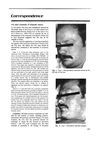 8 citations
,
January 1989 in “Journal of The American Academy of Dermatology”
8 citations
,
January 1989 in “Journal of The American Academy of Dermatology” CO2 laser treatment successfully removed traumatic tattoos with minimal scarring.
2 citations
,
March 2018 in “ACS Sustainable Chemistry & Engineering” Heating human hair creates hollow microtubes with smooth surfaces.
 16 citations
,
February 2018 in “Journal of Cosmetic Dermatology”
16 citations
,
February 2018 in “Journal of Cosmetic Dermatology” Carboxytherapy may help increase hair growth in alopecia patients but requires ongoing treatment.
 March 2026 in “Zenodo (CERN European Organization for Nuclear Research)”
 Ratanjot root oil helps hair grow and conditions and colors it naturally.
January 2013 in “วารสารเภสัชศาสตร์อีสาน (Isan Journal of Pharmaceutical Sciences, IJPS)” Carthamus tinctorius floret extract is a safe hair growth promoter with good skin absorption.
January 2013 in “วารสารเภสัชศาสตร์อีสาน (Isan Journal of Pharmaceutical Sciences, IJPS)” Safflower extract increases melanin production in certain skin cells without harming them.
 8 citations
,
January 2023 in “RSC Advances”
8 citations
,
January 2023 in “RSC Advances” Carbon dots show promise for tissue repair and growth but need more research to solve current challenges.
107 citations
,
September 1968 in “Archives of Dermatology” Using hot combs can cause permanent hair loss on the scalp's crown.
13 citations
,
September 2007 in “Journal of dermatological science” March 2026 in “Drug Testing and Analysis” PTeCA is a reliable marker for detecting oxidative hair treatments.
6 citations
,
December 2018 in “International Journal of Cosmetic Science” CARB is a strong barrier in human hair that prevents dye penetration.
 7 citations
,
May 2018 in “Indian Journal of Pharmacology”
7 citations
,
May 2018 in “Indian Journal of Pharmacology” Algerian Carthamus caeruleus L plant has anti-inflammatory properties, heals wounds effectively, and may help with hair growth.
12 citations
,
May 2013 in “International Journal of Dermatology” Ethosomes improve black tea extract absorption in hair dye.