 21 citations
,
April 2015 in “Psychology Research and Behavior Management”
21 citations
,
April 2015 in “Psychology Research and Behavior Management” Cognitive-behavioral therapy is the best treatment for hair-pulling disorder, and combining it with other therapies could improve results.
 41 citations
,
March 2010 in “Psychology Research and Behavior Management”
41 citations
,
March 2010 in “Psychology Research and Behavior Management” Using psychological treatments can help manage skin conditions along with regular medical care.
July 2026 in “Journal of Reproductive and Infant Psychology” Postpartum mothers need better support and guidance to improve body confidence and wellbeing.
June 2025 in “British Journal of Dermatology” Hair loss in women causes emotional distress and low self-esteem, but supportive interventions can help.
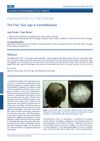 13 citations
,
June 2012 in “Journal of Dermatological Case Reports”
13 citations
,
June 2012 in “Journal of Dermatological Case Reports” An 8-year-old boy with hair-pulling disorder had a bald patch that was confirmed not to be a fungal infection and was treated with therapy.
January 2026 in “Queensland University of Technology” Dietetic-led cognitive-behavioral therapy may improve treatment for adults with ARFID.
5 citations
,
May 2015 in “JRSM open” If a child is losing a lot of eyelashes and it keeps happening, doctors should look carefully at their health history because it might be a sign of a different health problem.
2 citations
,
March 2022 in “Indian Journal of Psychiatry/Indian journal of psychiatry” The conclusion is that careful management of both psychiatric and skin conditions is crucial for HIV patients, using medication and interdisciplinary approaches.
August 2025 in “Brazilian Journal of Hair Health” Hair-related body dysmorphic disorder is common in hair loss patients and needs early recognition for proper treatment.

Mental health and hair loss are linked, and treating both can improve well-being.
 August 2023 in “Revista Ibero-Americana de Humanidades, Ciências e Educação”
 People with skin conditions like psoriasis and eczema have higher anxiety levels.
 237 citations
,
January 2010 in “The Journal of Sexual Medicine”
237 citations
,
January 2010 in “The Journal of Sexual Medicine” The report recommends personalized treatment for women's sexual dysfunctions and more research on effective therapies.
84 citations
,
October 2005 in “Annals of Clinical Psychiatry” Hairpulling, skin picking, and nail biting cause significant harm and need more research for better treatments.
 March 2021 in “The British Journal of Psychiatry”
 Countries with stricter cultures had fewer COVID-19 cases and deaths, paranoia is linked to false memories, psychosocial intervention works as well with or without antipsychotic drugs for young people with psychosis, smartphones can detect changes in behavior indicating illness relapse, and recruitment agents show regional and gender biases.
 September 2025 in “Cermin Dunia Kedokteran”
 Early detection and management of cognitive disorders in primary care are crucial for effective treatment.
July 2026 in “Deviant Behavior” Prevention efforts should focus on body image, peer victimization, social programs, and sex education to reduce incel violence.
 January 2024 in “Wiadomości Lekarskie”
 New treatments for alcohol, opioid, and cannabis addiction include medications, therapy, and personalized plans.
1 citations
,
October 2025 in “Journal of Personalized Medicine” Weight loss improves PCOS symptoms and overall health.
12 citations
,
October 2023 in “Journal of Mind and Medical Sciences” A holistic approach combining medical, surgical, and psychological therapies is essential for effectively managing diabetes.
 1 citations
,
August 2025 in “Cureus”
1 citations
,
August 2025 in “Cureus” Erectile dysfunction in young men is caused by both mental and physical factors and needs a personalized treatment approach.
January 2024 in “Arquivos de Neuro-Psiquiatria” Both new medications and non-drug treatments can effectively manage migraines with fewer side effects.
 28 citations
,
August 2009 in “Nursing for Women's Health”
28 citations
,
August 2009 in “Nursing for Women's Health” Cognitive behavioral strategies help women with PCOS make lifestyle changes to improve their health.
 3 citations
,
September 2022 in “Frontiers in psychiatry”
3 citations
,
September 2022 in “Frontiers in psychiatry” University students in Egypt experienced high stress during COVID-19's third wave, with negative coping mechanisms being more common.
 6 citations
,
August 2023 in “Behavioural and Cognitive Psychotherapy”
6 citations
,
August 2023 in “Behavioural and Cognitive Psychotherapy” Mindfulness-based cognitive therapy may reduce social anxiety and improve wellbeing in people with alopecia areata.
 3 citations
,
December 2001 in “Irish Journal of Psychological Medicine”
3 citations
,
December 2001 in “Irish Journal of Psychological Medicine” Trichotillomania is a challenging-to-treat impulse-control disorder where individuals pull out their hair, more common in females, with some treatments showing benefits.
 January 2017 in “International journal of science and research”
 Trichotillomania is a chronic hair-pulling disorder, more common in females, treated with therapy and sometimes medication.
 5 citations
,
February 2010 in “Expert Review of Dermatology”
5 citations
,
February 2010 in “Expert Review of Dermatology” Treating both the mind and skin together, especially by managing stress, can greatly improve outcomes for skin disorders linked to psychological issues.
January 2026 in “Behavioral Sciences” Negative illness perceptions increase emotional distress, worsening OCD symptoms in alopecia areata patients.
 2 citations
,
July 2005 in “Baylor University Medical Center Proceedings”
2 citations
,
July 2005 in “Baylor University Medical Center Proceedings” A 4-year-old girl was diagnosed with trichotillomania, a condition where she pulls out her hair, which may resolve on its own or require therapy.
 9 citations
,
February 2016 in “Cambridge University Press eBooks”
9 citations
,
February 2016 in “Cambridge University Press eBooks” The conclusion is that self-concept, shame, and emotion regulation are key factors in hoarding disorder, body dysmorphic disorder, and trichotillomania, and should be targeted in treatment and research.