 2 citations
,
June 2023 in “Journal of cell science”
2 citations
,
June 2023 in “Journal of cell science” Mutations in iRhom2 affect hair and skin in mice and are linked to esophageal cancer, with ADAM17 playing a crucial role.
87 citations
,
April 1973 in “Endocrinology” The chemicals 17βC and its methyl ester can block the effects of testosterone on hamster skin but not the effects of DHT.
 September 2024 in “Journal of the American Academy of Dermatology”
 PRO-C22 can help diagnose and monitor the severity of hidradenitis suppurativa.
 February 1999 in “Analytical Sciences”
 A new antiandrogen compound was made and its detailed three-dimensional shape was described.
26 citations
,
March 2006 in “Endocrine, metabolic & immune disorders. Drug targets” This enzyme helps metabolize fatty acids and isoleucine, and could be key in treating neurological diseases and certain cancers.
21 citations
,
March 2015 in “Neurological Sciences” A new genetic mutation linked to CARASIL syndrome and small artery disease was found in a Chinese family.
 1 citations
,
January 2009 in “X-ray Structure Analysis Online”
1 citations
,
January 2009 in “X-ray Structure Analysis Online” A new compound was made that might help treat diseases related to male hormones.
 70 citations
,
December 2004 in “Differentiation”
70 citations
,
December 2004 in “Differentiation” The study identified and characterized new keratin genes linked to hair follicles and epithelial tissues.
7 citations
,
January 2011 Collagen XVIII is crucial for maintaining tissue structure and function in the brain, kidneys, and hair.
September 2005 in “Revue de Stomatologie et de Chirurgie Maxillo-faciale”  February 2020 in “Definitions”
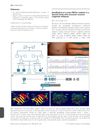
 Mutations in the KRT16 gene can cause skin and nail disorders.
 23 citations
,
December 2013 in “British Journal of Dermatology”
23 citations
,
December 2013 in “British Journal of Dermatology” A new gene mutation linked to a skin condition was found in a Spanish family.
 4 citations
,
February 2019 in “PubMed”
4 citations
,
February 2019 in “PubMed” Clascoterone may be an effective topical treatment for hair loss.
 402 citations
,
August 2011 in “Cancer research”
402 citations
,
August 2011 in “Cancer research” Prostate cancer cells can make their own androgens to activate the androgen receptor, and treatments like abiraterone may increase this ability, suggesting new therapies should target the entire steroid-making pathway.
 May 2024 in “JCI insight”
 A variant in the ADAM17 gene causes hair loss by increasing protein degradation through TRIM47.
13 citations
,
September 2012 in “Cell & tissue research/Cell and tissue research” pCLCA2 protein may help maintain skin structure and function.
3 citations
,
July 2022 in “Brain and Behavior” The HtrA1L364P mutation causes brain dysfunction and blood vessel damage.
226 citations
,
May 2004 in “Journal of Biological Chemistry” Collagen XXII is a marker for tissue junctions, aiding in structural integrity and found in muscles, heart, skin, and arthritic joints.
 2 citations
,
October 2001 in “Analytical Sciences”
2 citations
,
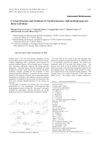
October 2001 in “Analytical Sciences” A new compound that could treat various androgen-related conditions was created and analyzed.
 August 2002 in “Analytical Sciences”
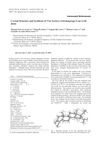
 The document concludes that a compound with potential for treating prostate cancer and hair loss was successfully made and its detailed structure was confirmed.
 January 2023 in “Indian dermatology online journal”
 A boy with Pachyonychia congenita has a confirmed gene mutation, highlighting the need for a local genetic database in India.
46 citations
,
August 2006 in “PubMed” A genetic defect causes males in some Mediterranean populations to be born with ambiguous genitalia and develop male traits at puberty.
61 citations
,
September 1994 in “Journal of Medical Genetics” Pachyonychia congenita is linked to a keratin gene on chromosome 17.
10 citations
,
November 2019 in “Neuroendocrinology” Measuring 17-hydroxyprogesterone in hair can help monitor androgen levels in people with congenital adrenal hyperplasia.
12 citations
,
January 2000 in “Biochemical and Biophysical Research Communications” The study mapped keratin 15 and 19 genes, aiding future genetic disorder research.
May 2025 in “International Journal of Biological Macromolecules” A new microneedle treatment shows promise for better hair regrowth in androgenetic alopecia.
2 citations
,
May 2022 in “International journal of molecular sciences” Changes in KRT17 gene activity linked to wool production in Angora rabbits.
94 citations
,
October 1994 in “The Journal of Cell Biology” Too much keratin 16 in mice skin causes abnormal skin thickening and structure.
 October 2023 in “Journal of the American Academy of Dermatology”
 Clascoterone cream could be used for other skin conditions affected by hormones.
 September 2022 in “PubMed”
 Collagen type XVII α1 decreases with age, leading to skin aging, but targeting microRNA-203b-3p may help maintain its levels and improve skin health.