November 2025 in “Journal of Investigative Dermatology” Dark skin has stronger barriers and structure due to specific gene activity.
 December 2022 in “Research Square (Research Square)”
 The ethyl acetate fraction of Ophioglossum vulgatum Linn. may promote hair growth and could be a new herbal treatment for hair loss.
 July 2022 in “The journal of investigative dermatology/Journal of investigative dermatology”
 Increasing type 17 collagen reduces aging signs in skin cells caused by UV light.
RCS-01 cell therapy is safe and improves skin gene expression.
 September 2016 in “Journal of Dermatological Science”
 Golden oyster mushroom extract may protect skin cells from aging by its antioxidant properties.
February 2016 in “Science” Foxc1 and COL17A1 are crucial for maintaining healthy hair follicles and preventing hair loss.
 October 2007 in “Journal of Investigative Dermatology”
 The meeting highlighted the genetic basis of female pattern hair loss and various skin health insights.
February 2025 in “Experimental Cell Research” Combining specific proteins and cell-derived particles may help treat hair loss.
 January 2025 in “Dermatology Reports”
 Early and accurate diagnosis is crucial for managing rare genetic disorders like this localized variant of junctional epidermolysis bullosa.
9 citations
,
June 2024 in “Genes” Key genes linked to wool quality in Spanish Merino sheep can improve fine wool production.
November 2025 in “animal” Certain genes in European Merino sheep help them adapt to different climates.
21 citations
,
March 2015 in “Neurological Sciences” A new genetic mutation linked to CARASIL syndrome and small artery disease was found in a Chinese family.
12 citations
,
January 2000 in “Biochemical and Biophysical Research Communications” The study mapped keratin 15 and 19 genes, aiding future genetic disorder research.
 23 citations
,
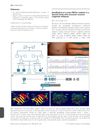
December 2013 in “British Journal of Dermatology”
23 citations
,
December 2013 in “British Journal of Dermatology” A new gene mutation linked to a skin condition was found in a Spanish family.
 October 2007 in “Clinical Biochemistry”
 New genotype linked to non-classical congenital adrenal hyperplasia found in Italian siblings.
238 citations
,
May 1989 in “Journal of Investigative Dermatology”  1 citations
,
January 2011 in “International Journal of Trichology”
1 citations
,
January 2011 in “International Journal of Trichology” Hair follicle stem cells have significant potential for treating various disorders.
21 citations
,
January 2020 in “Brazilian Journal of Medical and Biological Research” H19 may help cause PCOS by affecting CTGF levels, suggesting a new treatment target.
119 citations
,
September 2000 in “Journal of Biological Chemistry” GKLF/KLF4 and Sp1 control Keratin 19 gene activity, influencing cancer-related changes.
 7 citations
,
January 2015 in “Dermatology”
7 citations
,
January 2015 in “Dermatology” Two gene variations, rs6493497 and rs7176005, may be linked to female hair loss in Chinese people.
 October 2024 in “Journal of the Endocrine Society”
 Certain genetic variants reduce enzyme activity, contributing to non-classic congenital adrenal hyperplasia.
 15 citations
,
June 2011 in “British Journal of Dermatology”
15 citations
,
June 2011 in “British Journal of Dermatology” No link found between aromatase gene and female hair loss.
 321 citations
,
March 2015 in “Nature”
321 citations
,
March 2015 in “Nature” Super-enhancers controlled by pioneer factors like SOX9 are crucial for stem cell adaptability and identity.
 225 citations
,
April 2018 in “Journal of Investigative Dermatology”
225 citations
,
April 2018 in “Journal of Investigative Dermatology” Two main types of fibroblasts with unique functions and additional subtypes were identified in human skin.
 68 citations
,
September 2018 in “International Journal of Molecular Sciences”
68 citations
,
September 2018 in “International Journal of Molecular Sciences” Air pollution (PM10) increases skin inflammation and aging by reducing collagen and may trigger a repair response in skin cells.
 3 citations
,
February 2022 in “Frontiers in cell and developmental biology”
3 citations
,
February 2022 in “Frontiers in cell and developmental biology” A specific RNA molecule, circCOL1A1, affects the growth and quality of goat hair by interacting with miR-149-5p and influencing cell growth pathways.
 September 2025 in “Animal Bioscience”
 Key genes and pathways affect wool fiber thickness, improving wool quality.
 October 2022 in “Southeast Asian journal of health professionals”
 Hair greying is seen as a sign of aging; temporary fixes like hair dye are used, but a balanced diet and hair care can help manage it.
Platelet-rich plasma is a promising and cost-effective treatment for hair and skin issues in older adults in India.
 September 2019 in “The journal of investigative dermatology/Journal of investigative dermatology”
 Tet1/2/3 enzymes affect hair follicle cell development by influencing BMP signaling.