260 citations
,
January 2020 in “Nature” Stress can cause hair to turn gray by depleting stem cells.
Machine learning improves DNA predictions for eye and hair color, but challenges remain for skin tone and facial features.
1 citations
,
April 2024 in “Plastic & Reconstructive Surgery Global Open” Blunt cannula lip fillers are safe, effective, and comfortable, with no bruising.
 75 citations
,
January 2009 in “International journal of trichology”
75 citations
,
January 2009 in “International journal of trichology” Hair grays due to oxidative stress and fewer functioning melanocytes.
 8 citations
,
March 1994 in “The American Journal of Cosmetic Surgery”
8 citations
,
March 1994 in “The American Journal of Cosmetic Surgery” The Total Excision Techniques improve hair transplant results by increasing grafts by at least 50% and reducing scarring.
Aesthetic rehabilitation techniques can improve life quality and wellbeing for disabled patients.
 December 2025 in “International Journal of Research in Dermatology”
 The Ayurvedic treatment safely and effectively restores natural hair color by increasing black hair and reducing grey hair.
16 citations
,
November 2003 in “Journal of the American Academy of Dermatology” Iron therapy cured the boy's hair color issue.
 2 citations
,
May 2018 in “Australasian Journal of Dermatology”
2 citations
,
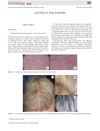
May 2018 in “Australasian Journal of Dermatology” Some patients' hair grew back black and white after chemotherapy.

A 32-year-old man with early graying hair shows a unique pattern, suggesting more research is needed on why hair grays early.
31 citations
,
November 1986 in “Journal of the American Academy of Dermatology”  19 citations
,
July 2007 in “Dermatologic clinics”
19 citations
,
July 2007 in “Dermatologic clinics” Tailor treatments for vitiligo to patient needs for best results.
 May 2021 in “GSC Advanced Research and Reviews”
 Hair color is influenced by genetics and can indicate certain health conditions.

Surgical repigmentation can permanently restore color to white hair in vitiligo patients.
27 citations
,
February 2003 in “Cell and Tissue Research” FM dyes effectively stain Merkel cells for long-term observation.
 August 2025 in “International Journal of Research in Dermatology”
 Better standardization and transparency in statistical reporting are needed to improve hair care research quality.
 18 citations
,
January 2008 in “Sen'i Gakkaishi”
18 citations
,
January 2008 in “Sen'i Gakkaishi” Thioglycolic acid and L-cysteine change hair structure differently during perms, affecting hair strength and curling efficiency.
Some alternative treatments for vitiligo show promise but need more research to confirm their safety and effectiveness.
 December 2023 in “Facial Plastic Surgery”
 Local anesthesia, often with sedation, effectively reduces pain in hair transplant harvesting.
1 citations
,
May 2022 in “International Journal of Trichology” Hair camouflage techniques can help manage hair loss and boost confidence.
1 citations
,
June 1999 in “The American Journal of Cosmetic Surgery” The simplified eyebrow transplant technique is safe, effective, and looks natural.
4 citations
,
January 2017 in “International Journal of Dermatology” Scalp cooling can help reduce hair loss during chemotherapy.
 2 citations
,
February 1991
2 citations
,
February 1991 The book provides detailed information on various skin cosmetic surgery methods and patient care.
 April 2018 in “Journal of Investigative Dermatology”
 The research found that a specific skin cell type not only triggers hair growth but also controls hair color, and that aging can lead to hair loss and color changes.
 January 1957 in “Nihon Chikusan Gakkaiho”
 Rabbit hair color is influenced by the shape and distribution of pigment granules.
 May 2017 in “InTech eBooks”
 Trichoscopy and trichogram are useful for diagnosing hair and scalp conditions.
 12 citations
,
January 2020 in “Analyst”
12 citations
,
January 2020 in “Analyst” Researchers found markers that can tell if hair has been bleached, which could improve hair test accuracy.
4 citations
,
June 1988 in “The American journal of cosmetic surgery” The technique removes pitted scars by replacing them with skin from behind the ear and then smoothing the area after a few weeks.
January 2019 in “Springer eBooks” Combination therapies might work better for some vitiligo patients, but results vary.