 53 citations
,
May 1986 in “Clinics in endocrinology and metabolism”
53 citations
,
May 1986 in “Clinics in endocrinology and metabolism” Androgens like testosterone affect hair growth and oil production differently across body parts and individuals.
 41 citations
,
October 2011 in “Clinical and Experimental Dermatology”
41 citations
,
October 2011 in “Clinical and Experimental Dermatology” G allele of AR Stul polymorphism linked to higher hair loss risk, especially in white people.
 12 citations
,
October 2004 in “Experimental Gerontology”
12 citations
,
October 2004 in “Experimental Gerontology” Changes in testosterone and estrogen receptor genes can affect how men age, influencing body fat, hair patterns, and possibly leading to skin disorders.
 7 citations
,
July 2014 in “Reproductive Biomedicine Online”
7 citations
,
July 2014 in “Reproductive Biomedicine Online” The length of CAG repeats in the androgen receptor gene is linked to ovarian reserve but does not affect how the ovaries respond to stimulation.
 October 2025 in “Scientific Reports”
 AR gene variations don't affect aging markers in men.
 14 citations
,
December 2016 in “Sexual Medicine”
14 citations
,
December 2016 in “Sexual Medicine” Finasteride side effects in young men may be linked to specific gene variations.
 4 citations
,
October 1988 in “Clinics in Dermatology”
4 citations
,
October 1988 in “Clinics in Dermatology” Dihydrotestosterone (DHT) is crucial for conditions like male-pattern baldness and acne, and measuring a byproduct, androstanediol glucuronide, is a better way to assess DHT's effects than DHT blood levels.
 16 citations
,
October 2007 in “Andrologia”
16 citations
,
October 2007 in “Andrologia” DHT is a strong androgen that may pose less risk to the prostate compared to testosterone.
 May 2013 in “Journal of the Egyptian Women's Dermatologic Society (Print)”
 High aldosterone and free testosterone levels link to female hair loss; testing aldosterone may predict hypertension risk.
 101 citations
,
April 1994 in “Baillière's clinical endocrinology and metabolism”
101 citations
,
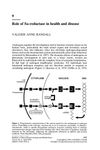
April 1994 in “Baillière's clinical endocrinology and metabolism” 5α-reductase is essential for male sexual development and its inhibitors have potential in treating various conditions related to hormone action.
 57 citations
,
February 1983 in “The Journal of clinical endocrinology and metabolism/Journal of clinical endocrinology & metabolism”
57 citations
,
February 1983 in “The Journal of clinical endocrinology and metabolism/Journal of clinical endocrinology & metabolism” Dihydrotestosterone increases the activity of an enzyme in pubic skin cells that converts testosterone to dihydrotestosterone.
 2 citations
,
January 2013 in “Elsevier eBooks”
2 citations
,
January 2013 in “Elsevier eBooks” The chapter explains the causes of excessive hair growth and masculinization in women and how to measure hormone levels related to these conditions.
 100 citations
,
May 2011 in “Journal of Pediatric and Adolescent Gynecology”
100 citations
,
May 2011 in “Journal of Pediatric and Adolescent Gynecology” The document concludes that proper diagnosis and a multidisciplinary approach are crucial for managing Congenital Adrenal Hyperplasia effectively.
 47 citations
,
February 2015 in “European Journal of Clinical Investigation”
47 citations
,
February 2015 in “European Journal of Clinical Investigation” The review suggests thorough evaluation and genetic testing for proper diagnosis and treatment of Chrousos syndrome.
 3 citations
,
June 2004 in “Reviews in gynaecological practice”
3 citations
,
June 2004 in “Reviews in gynaecological practice” Early treatment and weight management are important for teenagers with PCOS to reduce symptoms and long-term health risks.
 December 2016 in “Springer eBooks”
 Chrousos Syndrome is caused by mutations that make the body less sensitive to glucocorticoids, leading to various symptoms and requiring high-dose treatment.
 1 citations
,
October 2010 in “Cambridge University Press eBooks”
1 citations
,
October 2010 in “Cambridge University Press eBooks” Hormonal therapies are effective for managing hair and skin symptoms in women with PCOS.
 37 citations
,
November 1995 in “Journal of Investigative Dermatology”
37 citations
,
November 1995 in “Journal of Investigative Dermatology” Topical finasteride and flutamide reduce gland size and enzyme activity, with flutamide being more potent, potentially treating acne, seborrhea, hirsutism, and androgenic alopecia.
 305 citations
,
February 2007 in “Hormone and metabolic research”
305 citations
,
February 2007 in “Hormone and metabolic research” Human skin makes sexual hormones that affect hair growth, skin health, and healing; too much can cause acne and hair loss, while treatments can manage these conditions.
 118 citations
,
September 2004 in “Clinics in Dermatology”
118 citations
,
September 2004 in “Clinics in Dermatology” Hormones, especially androgens, play a big role in acne, but most acne sufferers don't have a hormone disorder. Hormonal treatments, including birth control pills, can be very effective for women whose acne doesn't improve with regular treatments.
 77 citations
,
May 2012 in “Expert Opinion on Emerging Drugs”
77 citations
,
May 2012 in “Expert Opinion on Emerging Drugs” New treatments for male hypogonadism are effective and should be personalized.
 75 citations
,
November 1996 in “Fertility and Sterility”
75 citations
,
November 1996 in “Fertility and Sterility” Finasteride effectively reduces hair growth in women with idiopathic hirsutism, but requires careful contraception during treatment.
 65 citations
,
February 2009 in “The journal of investigative dermatology/Journal of investigative dermatology”
65 citations
,
February 2009 in “The journal of investigative dermatology/Journal of investigative dermatology” Anti-acne medications may work by reducing the activity of a protein involved in acne development.
 43 citations
,
September 2012 in “International Journal of Dermatology”
43 citations
,
September 2012 in “International Journal of Dermatology” Hormonal therapies are safe and effective for treating adult women's acne.
 42 citations
,
July 2015 in “Journal of The American Academy of Dermatology”
42 citations
,
July 2015 in “Journal of The American Academy of Dermatology” The conclusion is that oral contraceptives and antiandrogens can treat hirsutism and acne in women with cutaneous hyperandrogenism, but more research is needed for effective treatments, especially for hair loss.
 39 citations
,
January 2013 in “Indian Journal of Dermatology, Venereology and Leprology”
39 citations
,
January 2013 in “Indian Journal of Dermatology, Venereology and Leprology” Eating high glycemic foods and drinking milk may worsen acne by increasing insulin and IGF-1 levels.
 24 citations
,
January 2001 in “Dermatologic clinics”
24 citations
,
January 2001 in “Dermatologic clinics” Hormonal therapy is a treatment option for acne, the only medical treatment for hirsutism, and the most promising for androgenetic alopecia.
 23 citations
,
January 2013 in “Indian Journal of Dermatology, Venereology and Leprology”
23 citations
,
January 2013 in “Indian Journal of Dermatology, Venereology and Leprology” FPHL causes hair loss in women due to genetics and hormones; minoxidil and anti-androgens are treatments, and early intervention is advised.
 1 citations
,
August 2013 in “Springer eBooks”
1 citations
,
August 2013 in “Springer eBooks” Birth control pills and anti-androgen medications help manage hair growth, acne, and hair loss in women with PCOS.
 441 citations
,
May 2008 in “British Journal of Pharmacology”
441 citations
,
May 2008 in “British Journal of Pharmacology” Anabolic steroids can build muscle and strength but have risks and need more research on their clinical benefits and side effects.