May 2006 in “The American journal of medicine” The man had persistent itchy bumps on his cheeks and neck despite trying different shaving products.
December 2005 in “Belarusian State Pedagogical University repository (Belarusian State Pedagogical University)” Hair tourniquet syndrome can cause serious harm and may indicate child abuse.
11 citations
,
July 1968 in “JAMA” Itching can be an early sign of hyperthyroidism.
10 citations
,
August 2007 in “Journal der Deutschen Dermatologischen Gesellschaft” Individualized treatment plans are crucial for managing excessive hair growth.
 46 citations
,
October 2009 in “Archives of Dermatology”
46 citations
,
October 2009 in “Archives of Dermatology” Loose anagen hair syndrome, often affecting young girls, can be diagnosed with a hair-pull test and usually gets better on its own, but severe cases may need treatment.
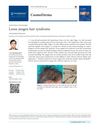 February 2023 in “Cosmoderma”
 Loose anagen hair syndrome causes easily shed hair but usually improves with time.
 7 citations
,
October 2016 in “Dermatologic Therapy”
7 citations
,
October 2016 in “Dermatologic Therapy” About 40% of women without hair loss and 60% with hair loss experience a lot of hair shedding, especially those under 50 with long hair.
January 2021 in “CRC Press eBooks” Hair loss can have various causes and treatments vary in effectiveness.
 March 2025 in “medRxiv (Cold Spring Harbor Laboratory)”
 Hair proteomics could be a promising non-invasive way to identify stress-related disorders.
 April 2023 in “IntechOpen eBooks”
 Neuropathic pruritus is a commonly overlooked and wrongly diagnosed type of chronic itching that is hard to treat.
 February 2022 in “Cleveland Clinic Journal of Medicine”
 Prolonged use of topical corticosteroids can cause excessive hair growth.
17 citations
,
July 1984 in “British journal of dermatology/British journal of dermatology, Supplement” The four patients have a unique type of ichthyosis affecting hair follicles.
 3 citations
,
January 2020 in “Annals of Dermatology”
3 citations
,
January 2020 in “Annals of Dermatology” More atypical club hairs may indicate Telogen Effluvium.

The document concludes that Loose Anagen Hair Syndrome is a benign condition where hair is thin and easily pulled out, often improving with age.
2 citations
,
April 2019 in “Experimental Dermatology” Hair follicles respond differently to pulling forces in various regions.
September 2025 in “British Journal of Dermatology” Scalp itching can be caused by various skin conditions, hair loss, allergies, or anxiety.
 July 2018 in “IP Indian journal of clinical and experimental dermatology”
 Hair loss in rural Indian children is often due to malnutrition, poor grooming, stress, and infections.
56 citations
,
July 2001 in “International Journal of Clinical Pharmacology and Therapeutics” People obsessed with looking young may need therapy to address deeper issues.
 August 2011 in “Clinical and Experimental Dermatology”
 About 30% of women feel they lose too much hair, often starting before age 40, and most can't find a reason for it.
2 citations
,
December 2013 in “The Journal of Dermatology”  6 citations
,
December 2011 in “Clinical and Experimental Dermatology”
6 citations
,
December 2011 in “Clinical and Experimental Dermatology” A woman developed rare, unexplained curly hair on her scalp and eyelashes.
 May 2015 in “Journal of The American Academy of Dermatology”
 A woman with Parry-Romberg syndrome developed new curly hair on one side of her scalp, a condition not previously linked to the syndrome.
 September 2022 in “IP Indian journal of clinical and experimental dermatology”
 An 8-year-old girl has a rare genetic disorder causing complete, irreversible hair loss and skin bumps.
15 citations
,
July 1968 in “JAMA” Severe itching can be an early sign of hyperthyroidism.
 July 2024 in “Journal Archives of Health”
 Woolly hair is a rare genetic condition with no effective treatments.
November 2025 in “Anxiety Stress & Coping” Higher anxiety symptoms and social behavior affect stress levels in hair.
4 citations
,
April 2018 in “The journal of pediatrics/The Journal of pediatrics” A 6-year-old girl's inability to grow her hair long was due to Loose Anagen Hair Syndrome, which causes hair to shed easily and may improve with age.
 125 citations
,
September 2001 in “The FASEB Journal”
125 citations
,
September 2001 in “The FASEB Journal” Stress can cause hair loss by negatively affecting hair follicles and this effect might be reversed with specific treatments.
 1 citations
,
January 2018 in “Acta dermato-venereologica”
1 citations
,
January 2018 in “Acta dermato-venereologica” A teenager's hair with alternating white and dark bands, known as Pili annulati, is a genetic condition that is usually harmless and often considered attractive.