 May 2026 in “Indian Journal of Medical Biochemistry”
 Hair biomarkers can help assess chronic stress in women's reproductive health but need standardized methods and regional studies.
 April 2026 in “Zenodo (CERN European Organization for Nuclear Research)”
 The model improves understanding of androgen interactions by focusing on signal intensity and system capacity.
 April 2026 in “Journal of Experimental Psychopathology”
 Hair cortisol levels may not reliably indicate psychological distress.
March 2026 in “Journal of Pain” Preoperative stress markers alone don't predict chronic post-surgical pain.
February 2026 in “Psychoneuroendocrinology” Lower family income is linked to more stress in parents and more behavior problems in children.
January 2026 in “Psychoneuroendocrinology” Self-collected hair samples can measure stress but may need adjustments for accuracy.
 December 2025 in “Biology Bulletin Reviews”
 Hair cortisol can indicate animal stress but varies with many factors.
 September 2025 in “Cosmoderma”
 Pandemic stress worsens hair loss and skin issues, suggesting combined mental and skin care treatments.
September 2025 in “Al-Nahrain Journal of Science” Aloe vera-based zinc oxide nanoparticles can kill bacteria but may harm human cells at high doses.
 April 2025 in “Dermatology Practical & Conceptual”
 Increased LC3 gene expression may be linked to premature graying of hair.
 January 2025 in “Letters in Drug Design & Discovery”
 Ozonated olive oil may effectively treat fungal skin infections.
 October 2023 in “Journal of pharmaceutical investigation”
 Finasteride dosages should be adjusted based on CYP3A5 genotype and liver function to avoid side effects.
 May 2023 in “Animal Reproduction Update”
 High levels of cortisol in hair show long-term stress which can lower fertility in animals.
Acne is linked to vitamin B12 deficiency.
 October 2022 in “Linköping University medical dissertations”
 The method shows hair testosterone levels reflect those in saliva, but are affected by various factors and may indicate a risk for heart attack.
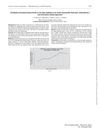 October 2022 in “European heart journal”
 Higher stress levels were found about two weeks before a heart attack.
 February 2021 in “Austin journal of nutrition & metabolism”
 Appropriate zinc levels may help prevent hair loss in university students.
Urinary and serum selenium levels are the best indicators of selenium intake in dogs.
March 1997 in “Medical Molecular Morphology” Zinc deficiency causes early scalp hair damage that recovers slower than skin symptoms.
Social hair plucking in rhesus macaques is an abnormal behavior with both social and aggressive traits and health impacts.

Social hair plucking in rhesus macaques is an abnormal behavior with both social and aggressive traits and health impacts.
 February 2024 in “Psychoneuroendocrinology”
 Mothers with lower stress during pregnancy but higher stress after birth had infants with lower development scores.
 November 2023 in “Journal of Basic Microbiology”
 Green-synthesized zinc oxide nanoparticles effectively inhibit common fungi found on human scalp hair.
 May 2023 in “General and comparative endocrinology”
 Monkey hair cortisol levels are not affected by how fast their hair grows.
January 2023 in “Indian Journal of Natural Products and Resources” Suaeda monodiana extract may help treat skin diseases due to its protective and healing properties.
 March 2021 in “Serbian Journal of Experimental and Clinical Research”
 PCOS is a complex hormonal disorder with no clear cause or single diagnostic test, and current treatments focus on symptoms.
 April 2020 in “Research Square (Research Square)”
 Melatonin treatment improved cashmere production in goats for one cycle without lasting effects on the next cycle.
January 2018 in “Belarusian State Pedagogical University repository (Belarusian State Pedagogical University)” Stress might trigger hair loss in alopecia areata, but more research is needed.
January 2018 in “Digital Scholarship - UNLV (University of Nevada Reno)” Hair cortisol levels can indicate chronic stress in children, with differences seen between races.
January 2007 in “Pharmaceutical Journal of Chinese People's Liberation Army” The two finasteride tablets are bioequivalent.