 January 2026 in “The Eurasian Journal of Life Sciences”
 Pectin nanofibers show promise for medical use due to their unique properties.
 January 2026 in “Microsystems & Nanoengineering”
 Research on silica-based nanobiomaterials for tissue regeneration is rapidly growing, with China leading in volume and the U.S. excelling in impact.
 December 2025 in “Frontiers in Veterinary Science”
 Liaoning cashmere goats grow more cashmere by boosting fat production, supporting hair structure, and controlling inflammation.
 November 2025 in “Frontiers in Cell and Developmental Biology”
 The study maps goat hair follicle cells, revealing key genes and pathways involved in hair growth and cell death.
 October 2025 in “HAL (Le Centre pour la Communication Scientifique Directe)”
 Variegated coat color in cats is linked to the Silver locus.
 August 2025 in “Fabad Journal of Pharmaceutical Sciences”
 Cuscuta reflexa has potential medicinal benefits but needs more research for clinical use.
 August 2025 in “Animal Bioscience”
 m6A methylation affects the thickness of Alpine Merino wool fibers.
 June 2025 in “Medical academic journal”
 Modified liposomes with exosomes effectively deliver RNA to stem cells.

Menopause-related skin changes may increase fungal infections and inflammation.
 January 2025 in “Journal of Materials Chemistry B”
  November 2024 in “International Journal of Research and Review”
 Nanotechnology improves cosmetics by enhancing ingredient delivery and effectiveness.
 October 2024 in “Internal Medicine”
 Stopping nalfurafine reversed hair loss in a hemodialysis patient.
 July 2024 in “ADMET & DMPK”
 Surface-modified nanostructured lipid carriers can improve hair growth treatments.
Ayurvedic herbs may reduce side effects and improve effectiveness of cancer treatments.
 January 2024 in “Regenerative Biomaterials”
 Metal organic frameworks-based scaffolds show promise for tissue repair due to their unique properties.
 September 2023 in “Ethiopian journal of health sciences”
 Plantain leaf extract reduces liver oxidative stress in malaria-infected mice.
March 2022 in “Biomedical Journal of Scientific & Technical Research” Improving mitochondrial health may help alleviate symptoms like chronic fatigue and depression.

No single biomarker is reliable enough for diagnosing and assessing SLE.

Human hair keratins can be turned into useful 3D biomedical scaffolds through a freeze-thaw process.
 January 2022 in “Asian journal of Current Research in Clinical Cancer”
 Some dibenzo compounds might help treat cancer with fewer side effects.
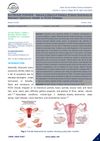 January 2020 in “Asian Journal of Basic Science & Research”
 Nutrease powder, a high-protein, low-carb supplement, can help manage Polycystic Ovary Syndrome symptoms, regulate periods, improve ovulation, and restore fertility.
Wildebeest stress and hormone levels are influenced by food availability, human presence, and reproductive cycles.

L-PGDS has specific binding sites for its functions and could help in drug delivery system design.
 May 2017 in “Journal of microscopy and ultrastructure”
 Water quality affects mineral content in hair, and coconut oil can protect against damage.
 January 2015 in “Dermatology Review”
 LED therapy may improve skin health and stimulate hair growth.
 January 2015 in “Indian Journal of Medical Biochemistry”
 Men with early balding should be checked for metabolic syndrome, as there's a link between the two.
Chemicals and stem cells combined have advanced regenerative medicine with few safety concerns, focusing on improving techniques and treatment effectiveness.
 January 2012 in “heiDOK (Heidelberg University)”
 Dormant melanoma cells in mice interact minimally with memory T cells due to a suppressive tumor environment.
 January 2012 in “Elsevier eBooks”
 New treatments for skin and hair repair show promise, but further improvements are needed.