Search
for
Sort by
Research
420-450 / 1000+ resultsresearch Analysis of serum zinc and copper concentrations in hair Loss patients
research Determinants of iron, zinc, and copper concentrations in the hair of dogs and cats
Dogs have more iron and copper in their hair than cats, and outdoor animals have higher iron levels.
research [Changes in trace elements (zinc, copper and manganese) in the hair before and after severe fractures by proton-induced X-ray emission spectrometry (PIXE)].
research Association between Nonalcoholic Fatty Liver Disease and Concentration of Copper and Zinc in Hair Tissue in Korean Adults
research [Iron, copper and zinc contents of human hair].
research Lead, Copper, Zinc, and Magnesium Content in Hair of Children and Young People with Some Neurological Diseases
research Concentrations of magnesium, calcium, iron, selenium, zinc and copper in the hair of autistic children
Autistic children have lower iron and higher selenium in their hair.
research Zinc: An Essential Trace Element for Parenteral Nutrition
Zinc is crucial for nutrition, especially in patients with specific health conditions, and requires careful supplementation and monitoring.
research Acquired Zinc Deficiency
Long-term parenteral nutrition without zinc can cause severe zinc deficiency.
research Zinc metabolism in lethal-milk mice
Lethal-milk mice produce zinc-deficient milk, causing health issues in pups unless supplemented with zinc.
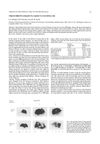
research Alopecia induced in young mice by exposure to excess dietary zinc
Too much zinc in the diet can cause hair loss and color change in young mice by reducing copper in the body.
research SRXRF elemental mapping and source analysis of Pb,Fe,Cu and Zn in human hair from an inhabitant in a lead-zinc mining area
Lead levels in hair increased due to environmental exposure, while iron, copper, and zinc levels stayed stable.
research TRACE ELEMENTS IN MEDICINE
Trace elements can impact health, causing issues like zinc deficiency, copper-related diseases, mercury and lead toxicity, and more.
research Alopecia Areata and Toxic Metals
Toxic metals can cause hair loss and should be considered by doctors.
research Mineral Contents in Scalp Hair in Patients with Non-insulin Dependent Diabetes Mellitus
Lower zinc and copper and higher cadmium in hair may be linked to non-insulin dependent diabetes.
research Alopecia en mujeres con obesidad severa y mórbida sometidas a cirugía bariátrica
Higher zinc intake may reduce hair loss after bariatric surgery.
research Alopecia en mujeres con obesidad severa y mórbida sometidas a cirugía bariátrica Alopecia in women with severe and morbid obesity who undergo bariatric surgery
Higher zinc and iron intake leads to less hair loss after bariatric surgery.
research КОРРЕКЦИЯ НАРУШЕНИЙ МЕТАБОЛИЗМА У ПАЦИЕНТОВ С АНДРОГЕННОЙ АЛОПЕЦИЕЙ ПОД ВОЗДЕЙСТВИЕМ ВЫСОКОТЕХНОЛОГИЧНОЙ ФИЗИОТЕРАПИИ И СПЕЦИАЛИЗИРОВАННОЙ ДЕРМАТОКОСМЕТИКИ
Combining high-tech physiotherapy and specialized cosmetics significantly improves metabolism in patients with androgenetic alopecia.
research Integrated Therapeutic Approaches in the Treatment of Female Androgenetic Alopecia: A Case Report
A personalized combination treatment can effectively promote hair growth and stabilize hair loss in women with androgenetic alopecia.
research Some Trace Elements' Level in Alopecia Areata
Alopecia areata patients have lower zinc, copper, and selenium levels than healthy people.
research Hair Mineral Analysis in Children with Atopic Dermatitis
Mineral levels in hair don't significantly affect the severity of atopic dermatitis in children.
research Effect of nutrient antioxidants on oxidative stress indicators in patients with alopecia areata
Antioxidants can help improve hair growth in people with alopecia areata.
research Quantitative Analysis of Selected Circulating Hematological Biomarkers, Essential Minerals, Vitamins, and Thyroid Hormones in Females Affected by Hair Loss
Women with hair loss often have deficiencies in iron, vitamins, minerals, and lower thyroid function, suggesting the need for nutritional and hormonal treatment.
research A Study of Serum Ferritin Level in Female Patient with Alopecia
Women with certain types of hair loss may have low iron levels.
research Mineral Malnutrition Following Bariatric Surgery
Bariatric surgery can cause serious mineral deficiencies, requiring better patient education and monitoring.
research Hair toxic and essential trace elements in children with autism spectrum disorder
Children with autism have lower levels of essential and toxic trace elements in their hair.
research Comparison of Zn, Cu, and Fe Content in Hair and Serum in Alopecia Areata Patients with Normal Group
Hair and serum levels of zinc, copper, and iron are similar in people with alopecia areata and healthy individuals.
research Trace elements content and hormonal profiles in women with androgenetic alopecia
Women with AGA have more androstenedione and dihydrotestosterone, less copper and zinc; copper imbalance affects AGA; treatment improves hormones and minerals.
research The nutritional biochemistry of wool and hair follicles
Nutrients like vitamins, copper, zinc, and amino acids are crucial for healthy hair and wool growth.