January 2016 in “Journal of animal research” Hair can help assess Copper and Zinc levels in dogs.
 January 2016 in “Hair transplant forum international”
 The document corrects the definitions of terms related to FUE, a hair transplant technique.
November 2015 in “Journal of the Korea Academia-Industrial cooperation Society” The new assay can help develop products for hair re-growth.
 May 2015 in “Journal of The American Academy of Dermatology”
 Combination therapy with cyclosporine and low-dose corticosteroid shows favorable long-term results for treating alopecia areata.
High-stress mothers had lower hair cortisol than low-stress mothers, and daughters' cortisol was linked to their stress response.
 March 2014 in “Journal of The American Academy of Dermatology”
 Cortexolone 17a-propionate may be an effective new treatment for hair loss.
 January 2014 in “Revista del Centro Dermatológico Pascua”
 Male pattern baldness is not a risk factor for heart disease based on cholesterol levels alone.
April 2013 in “Anais Brasileiros de Dermatologia” January 2013 in “Journal of Practical Dermatology” Hair loss, especially alopecia areata, is linked to poor sleep and emotional stress.
January 2013 in “IRIS UNIMORE (University of Modena and Reggio Emilia)” Hydrophobized silica nanoparticles penetrate the skin's outer layer more effectively, while hair follicle density doesn't impact their accumulation.
January 2013 in “Zhongguo bingli shengli zazhi” Coriaria sinica Maxim extract speeds up burn healing and hair growth in rats.
 December 2012 in “Canadian journal of ophthalmology”
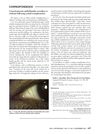
 Eyelash transplantation can cause eye damage and pain if not done carefully.
Some Himalayan plants with higher antioxidant activity can promote hair growth better.
May 2012 in “Neurotoxicology and Teratology” Hair cortisol can be a reliable way to measure long-term stress.
 April 2012 in “Journal of the American Academy of Dermatology”
 Clofazimine may be effective for treating ashy dermatosis.
January 2012 in “CINECA IRIS Institutial Research Information System (University of Genoa)” Hair cortisol reliably indicates stress in rabbits.
 September 2011 in “Journal der Deutschen Dermatologischen Gesellschaft”
 Effective treatments for scalp psoriasis include glucocorticosteroids, Vitamin D3 analogs, and combination therapies like calcipotriol and betamethasone dipropionate.
April 2011 in “Faculty Opinions – Post-Publication Peer Review of the Biomedical Literature” Hair cortisol is a reliable long-term stress marker during pregnancy.
December 2010 in “HAL (Le Centre pour la Communication Scientifique Directe)” The cornea develops independently of the lens, following its own default pathway.
May 2010 in “Journal of Investigative Dermatology” Thymosin β4 helps heal corneal wounds.
October 2008 in “Experimental and Clinical Endocrinology & Diabetes” Long-term unemployment leads to higher stress levels.
September 2008 in “Acta Ophthalmologica” Hair follicle stem cells can become corneal-like cells with the right environment.
 June 2008 in “Dermatologic Surgery”
 The International Society of Hair Restoration Surgery created a standard curriculum in 2008 to guide doctors in diagnosing and treating hair loss effectively.
January 2008 in “Zhonghua linchuang mianyi he biantai fanying zazhi” The treatment with Shunyou and prednisone is effective and safe for lupus nephritis.
June 2007 in “Journal of Investigative Dermatology” January 2006 in “Elsevier eBooks” Most vertebrates can regenerate skin, nails, and corneas, but only some can regenerate teeth and lenses.
October 2004 in “Kafrelsheikh Veterinary Medical Journal” Corn silage alone is not a balanced diet for buffalo calves.
 March 2003 in “Dermatologic Surgery”
 Dr. Dominic A. Brandy shared methods to fix aesthetic problems from old hair restoration techniques, using methods like follicular unit grafting and scalp removal, which helped patients look more natural after surgery. He also suggested using oral finasteride and topical minoxidil to control hair loss in most men with baldness, especially those who had flap surgery.
April 2000 in “Plastic and Reconstructive Surgery”