 October 2022 in “European heart journal”
 Higher stress levels were found about two weeks before a heart attack.
 September 2018 in “Journal of Investigative Dermatology”
 Non-white organ transplant patients have worse skin cancer outcomes due to later diagnosis and treatment.
 August 2018 in “Journal of Investigative Dermatology”
 Centrosomes are essential for healthy skin and hair growth, and their role is different from that of cilia.
 August 2018 in “Journal of Investigative Dermatology”
 A woman with dermatomyositis improved after treatment for neck panniculitis, suggesting similar treatment for related conditions.
 August 2018 in “Journal of Investigative Dermatology”
 Polyunsaturated fatty acids, like arachidonic acid and eicosapentaenoic acid, can promote hair growth and may help treat hair loss.
 August 2018 in “Journal of Investigative Dermatology”
 The conclusion is that using light-sheet fluorescence microscopy with a special solution can effectively create detailed 3D images of human skin for dermatological research.
 July 2018 in “Kidney international”
 Genetic testing for EGFR mutations is crucial in similar cases.
 July 2018 in “Elsevier eBooks”
 Acne keloidalis nuchae is a chronic skin condition more common in African men, causing itchy or painful bumps and can lead to permanent hair loss if not treated early.
 February 2018 in “British Journal of Dermatology”
 We need better research to improve alopecia treatment and patient care.
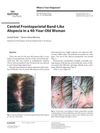 January 2018 in “Skin appendage disorders”
 A woman's hair loss was correctly diagnosed as Lichen planopilaris after initial misdiagnosis, highlighting the usefulness of trichoscopy in diagnosing hair disorders.
 December 2017 in “Elsevier eBooks”
 The vitamin D receptor helps maintain hair and bone health even without binding vitamin D.
 October 2017 in “Indian heart journal”
 Obesity is an independent risk factor for early coronary artery disease (CAD) and its severity is not affected by age.
 September 2016 in “Más dermatología”
 New factors in female hair loss include genetics, hormones, stress, and inflammation; future treatments should also focus on these areas and consider the patient's emotional well-being.
 August 2014 in “Aesthetic Surgery Journal”
 The book provides useful information on facial surgery complications but lacks consistent visuals and has some repetition.
 July 2014 in “Journal of the Portuguese Society of Dermatology and Venereology”
 Trichoscopy is useful for diagnosing and monitoring hair and scalp conditions.
 June 2014 in “British Journal of Dermatology”
 Eczema patients have a lower skin lipid to protein ratio, older and longer-staying hospital patients are more likely to get pressure ulcers, hair loss in AGA is linked to muscle degeneration, vitamin D deficiency is common in alopecia areata and linked to its severity, standard liver tests don't effectively detect fibrosis in psoriasis patients on methotrexate, and bullous pemphigoid patients have a higher death risk but combination therapy may reduce it.
 June 2013 in “Expert Review of Dermatology”
 The article concludes that hormonal therapy is an effective long-term acne treatment, even for those without hormonal imbalances.
 June 2012 in “Expert Review of Dermatology”
 Japanese researchers created new hair follicles from human cells that grew hair when put into mice, and other findings showed a link between eye disease severity and corneal thickness, gene mutations affecting hearing and touch, and the safety of the shingles vaccine for adults over 50.
 December 2011 in “Drug Research”
 The document shows the state of pharmaceutical patents as of 1999, focusing on treatments for various diseases.
 January 2011 in “Medicina interna de México”
 The document concludes that treating the underlying causes of telogen effluvium usually results in hair regrowth.
 July 1998 in “Chromatographia”
 Women with effluvium have higher levels of certain urinary steroids, possibly due to stress and increased adrenal activity.
 June 1987 in “Pediatric Neurology Briefs”
 Biotinidase deficiency can cause symptoms like sleepiness, hair loss, and seizures.

Alopecia areata often starts around age 23, can be permanent in 30% of cases, and treatments are usually temporary.
 April 1955 in “Archives of pediatrics & adolescent medicine”
 Children's skin diseases need special care and treatment.
 March 1999 in “Journal of The European Academy of Dermatology and Venereology”
 Baldness may indicate higher heart disease risk in men.
 13 citations
,
January 2014 in “Journal of Investigative Dermatology”
13 citations
,
January 2014 in “Journal of Investigative Dermatology” The laser comb did not improve hair regrowth in mice with alopecia areata.
January 2008 in “한국미용학회지” Certain enzymes and a growth factor were higher in mice treated with minoxidil or a peppermint and rosemary oil mix, which may be good indicators of hair growth.
166 citations
,
February 2005 in “Behavioural brain research” Vitamin D receptor knockout mice have significant motor impairments but no cognitive deficits.
 57 citations
,
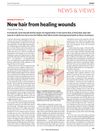
May 2007 in “Nature”
57 citations
,
May 2007 in “Nature” Adult mice can grow new hair from skin wounds.
2 citations
,
September 2020 in “bioRxiv (Cold Spring Harbor Laboratory)” The laser system helps study brain cell functions by precisely removing specific cells and observing changes.