44 citations
,
March 2019 in “Experimental Dermatology” A wide range of proteins are integrated into the skin's protective layer.
161 citations
,
June 1993 in “Journal of Biological Chemistry” Trichohyalin helps in hair and skin cell structure and function by binding calcium and linking proteins.
2 citations
,
January 1993 Trichohyalin is a versatile protein involved in hair and skin structure.
 3 citations
,
September 2005 in “Experimental dermatology”
3 citations
,
September 2005 in “Experimental dermatology” The cornified envelope is crucial for skin's barrier function and involves key proteins and genetic factors.
10 citations
,
January 2010 in “International journal of trichology” Keratin-associated proteins are part of the developing hair fiber cuticle.
64 citations
,
April 1992 in “Differentiation” Sciellin is a protein that helps form protective layers in skin, hair, and nails.
 18 citations
,
September 2003 in “The journal of investigative dermatology/Journal of investigative dermatology”
18 citations
,
September 2003 in “The journal of investigative dermatology/Journal of investigative dermatology” VDUP1 is found in skin and hair follicles, interacts with sciellin, and may help regulate skin cell differentiation.
425 citations
,
August 2002 in “BioEssays” The cornified cell envelope forms a protective barrier in skin and hair, using specific proteins and lipids to maintain effectiveness.
 August 2015 in “Free Radical Biology and Medicine”
 Nrf2 helps protect skin from damage but too much can cause skin problems.
 17 citations
,
February 2015 in “Cell Death and Disease”
17 citations
,
February 2015 in “Cell Death and Disease” Inhibiting AP1 in mice skin causes structural changes and weakens the skin barrier.
 22 citations
,
April 2020 in “Scientific reports”
22 citations
,
April 2020 in “Scientific reports” Changthangi goats have specific genes that help produce Pashmina wool.
33 citations
,
February 2012 in “British Journal of Dermatology” Mutations in the p63 gene affect skin adhesion, barrier integrity, and hair growth.
108 citations
,
October 2003 in “Journal of biological chemistry/The Journal of biological chemistry” Trichohyalin makes hair follicles stronger.
4 citations
,
September 2004 in “Experimental Dermatology” Mutations in certain skin proteins cause severe skin issues, while others have limited effects, highlighting the need to understand these proteins for better treatments.
 15 citations
,
January 2012 in “Journal of Veterinary Science”
15 citations
,
January 2012 in “Journal of Veterinary Science” Different dog breeds have varying skin thickness and protein expression in their skin.
98 citations
,
December 2015 in “The Journal of Cell Biology” Keratin is crucial for skin barrier formation and affects mitochondrial function.

Lysine carboxymethyl cysteinate (LCC) protects skin from UVB damage by activating autophagy.
 8 citations
,
April 2022 in “The journal of investigative dermatology/Journal of investigative dermatology”
8 citations
,
April 2022 in “The journal of investigative dermatology/Journal of investigative dermatology” Certain genetic changes in the LSS gene cause a rare skin and hair condition.
58 citations
,
December 2000 in “Experimental Dermatology” Involucrin is a useful marker for keratinocyte differentiation in mice.
118 citations
,
January 2004 in “European Journal of Cell Biology” Balanced protease activity is crucial for healthy skin and hair development.
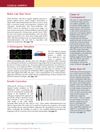 January 2016 in “Journal of Investigative Dermatology”
 Some cells may slow melanoma growth, a protein could affect skin pigmentation, a gene-silencing method might treat hair defects, skin bacteria changes likely result from eczema, and a defensin protein could help treat multiple sclerosis.
 January 2016 in “Experimental Dermatology”
 New findings suggest potential treatments for melanoma, hyperpigmentation, hair defects, and multiple sclerosis, and show skin microbiome changes don't cause atopic dermatitis.
22 citations
,
November 2008 in “The journal of investigative dermatology/Journal of investigative dermatology” Cystatin M/E helps in the final stages of hair and nail formation by controlling certain enzymes.
 2 citations
,
December 2011 in “Annales de Dermatologie et de Vénéréologie”
2 citations
,
December 2011 in “Annales de Dermatologie et de Vénéréologie” 2011 dermatological research found new skin aging markers, hair loss causes, skin defense mechanisms, and potential for new treatments.
 February 2025 in “Animals”
 Understanding proteins in skin structures like claws and hair is crucial for future research.
23 citations
,
January 1986 Involucrin is crucial for skin cell maturation and protection.
 January 2018 in “Stem cell biology and regenerative medicine”
 The nucleus is key in controlling skin growth and repair by coordinating signals, gene regulators, and epigenetic changes.
 39 citations
,
January 2016 in “PubMed”
39 citations
,
January 2016 in “PubMed” Understanding how EDC genes are regulated can help develop better drugs for skin diseases.
 April 2019 in “Journal of Investigative Dermatology”
 Researchers fixed gene mutations causing a skin disease in stem cells, which then improved skin grafts in mice.
28 citations
,
August 2005 in “Journal of Investigative Dermatology” TG5 helps maintain hair follicle health, while TG3 aids in hair shaft development.