5 citations
,
June 2020 in “Therapeutic drug monitoring” Hair sample weight is a better measure for cortisol levels in hair than hair protein concentration.
16 citations
,
January 2021 in “Frontiers in veterinary science” Pigs in farrowing crates and loose-housing systems showed no difference in chronic stress levels as measured by hair cortisol.
 February 2024 in “Psychoneuroendocrinology”
 Mothers with lower stress during pregnancy but higher stress after birth had infants with lower development scores.
 May 2023 in “Animal Reproduction Update”
 High levels of cortisol in hair show long-term stress which can lower fertility in animals.
January 2018 in “Belarusian State Pedagogical University repository (Belarusian State Pedagogical University)” Stress might trigger hair loss in alopecia areata, but more research is needed.
1 citations
,
November 2022 in “Nutrients” Hair glucocorticoid levels and gut bacteria are linked to growth rates in piglets.
 3 citations
,
October 2021 in “Clinica Chimica Acta”
3 citations
,
October 2021 in “Clinica Chimica Acta” Hormone levels in hair vary across the head, with the highest concentration of a key hormone linked to hair loss at the top.
 2 citations
,
October 1999 in “Annals of the New York Academy of Sciences”
2 citations
,
October 1999 in “Annals of the New York Academy of Sciences” Melatonin and cortisol affect mink winter hair growth, but β-endorphin levels do not.
 1 citations
,
January 2023 in “International journal of urology”
1 citations
,
January 2023 in “International journal of urology” Low zinc levels are linked to low testosterone but not to sexual problems.
 April 2026 in “Journal of Experimental Psychopathology”
 Hair cortisol levels may not reliably indicate psychological distress.
March 2026 in “Journal of Pain” Preoperative stress markers alone don't predict chronic post-surgical pain.
February 2026 in “Psychoneuroendocrinology” Lower family income is linked to more stress in parents and more behavior problems in children.
January 2026 in “Psychoneuroendocrinology” Self-collected hair samples can measure stress but may need adjustments for accuracy.
A balanced diet is crucial for normalizing hormone levels and managing obesity-related issues.
 33 citations
,
January 2017 in “Conservation physiology”
33 citations
,
January 2017 in “Conservation physiology” Measuring reproductive hormones in brown bear hair could help identify their sex and reproductive state, but better collection methods or lab techniques are needed.
 6 citations
,
September 2010 in “Animal”
6 citations
,
September 2010 in “Animal” Selecting Angus cattle for earlier puberty lowers prolactin levels but doesn't affect hair growth.
1 citations
,
December 2018 in “Veterinary dermatology” The hair coat disorder in Schipperkes is similar to Alopecia X and involves increased androstenedione levels and hair cycle arrest.
 January 2017 in “Qucosa (Saxon State and University Library Dresden)”
 Plasma protein binding significantly affects glucocorticosteroid concentration in blood, saliva, and hair.
 7 citations
,
October 2015 in “American Journal of Primatology”
7 citations
,
October 2015 in “American Journal of Primatology” Monkeys with hair loss during pregnancy showed higher stress hormone levels and invested differently in their offspring.
3 citations
,
December 2017 in “Journal of Psychiatric Research” Hair samples can't reliably detect hypercortisolism in anorexia nervosa patients.
 May 2026 in “Indian Journal of Medical Biochemistry”
 Hair biomarkers can help assess chronic stress in women's reproductive health but need standardized methods and regional studies.
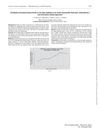 October 2022 in “European heart journal”
 Higher stress levels were found about two weeks before a heart attack.
1 citations
,
January 2003 in “Benjamins eBooks” Confinement in farrowing crates doesn't increase chronic stress in sows, but hair cortisol measurements may not reliably indicate stress due to hair growth variations.
Social hair plucking in rhesus macaques is an abnormal behavior with both social and aggressive traits and health impacts.

Social hair plucking in rhesus macaques is an abnormal behavior with both social and aggressive traits and health impacts.
 September 2025 in “Cosmoderma”
 Pandemic stress worsens hair loss and skin issues, suggesting combined mental and skin care treatments.
1 citations
,
December 2021 in “American Journal of Obstetrics and Gynecology” Hair cortisol levels peak in the third trimester and decline postpartum.
22 citations
,
May 2019 in “Animals” High hair cortisol levels indicate stress in cows due to poor shelter conditions and health issues.
July 2026 in “Psychoneuroendocrinology” Hair cortisol and cortisone levels can indicate specific psychosocial stress factors.
296 citations
,
October 2018 in “General and Comparative Endocrinology” Hair cortisol is a reliable way to measure long-term stress in animals.