 3 citations
,
April 2022 in “Microorganisms”
3 citations
,
April 2022 in “Microorganisms” People with severe hair loss (Alopecia Areata) have different scalp bacteria than healthy people, which might help predict the condition's progress.
220 citations
,
May 2017 in “JAMA dermatology” Patients with hidradenitis suppurativa have a different skin microbiome compared to healthy people.
12 citations
,
June 2011 in “Journal of Dermatological Case Reports” Shaving, erythromycin cream, and clotrimazole powder effectively treated the bad odor and rough hair.
8 citations
,
March 2023 in “BMC Research Notes” Laser-capture microdissection effectively analyzes hair follicle microbiomes, revealing region-specific bacterial differences.
4 citations
,
July 2024 in “Skin Research and Technology” Certain bacteria may influence alopecia areata risk, but skin bacteria don't mediate gut-skin effects.
4 citations
,
October 2021 in “Microorganisms” Men with androgenetic alopecia have different scalp oils and microbes compared to those without.
3 citations
,
January 2018 Bacterial skin diseases in camelids are often caused by moisture, trauma, and infections.
 1 citations
,
January 2022 in “The Keio Journal of Medicine”
1 citations
,
January 2022 in “The Keio Journal of Medicine” Hair follicles regulate immune cells in the skin, and disrupting certain pathways can lead to skin issues and infections.
1 citations
,
November 2023 in “Pathogens” Raccoon dogs in Schleswig-Holstein, Germany, were found with sarcoptic mange, showing severe skin issues and potential for spreading the disease.
1 citations
,
June 2011 in “Journal of Dermatological Case Reports” Shaving and applying erythromycin cream and clotrimazole powder effectively treated trichomycosis axillaris.
 June 2026 in “Frontiers in Allergy”
 SSD patients have unique allergen sensitivities linked to skin and microbiota changes.
November 2025 in “Dermato” The skin microbiome is crucial for skin health and new treatments like probiotics can improve skin conditions.
 July 2025 in “YAKUGAKU ZASSHI”
 Understanding skin microbes and sebum can help manage atopic dermatitis and hair loss.
June 2014 in “Zagazig Journal of Pharmaceutical Sciences/Zagazig Journal of Pharmaceutical Science” Ascorbic acid, orlistat, and mastic gum can effectively reduce sweat odor.
 December 2025 in “Medical & Clinical Case Reports Journal”
 Corynebacterium minutissimum might cause hair loss on the scalp, but it's rarely diagnosed.
 January 2018 in “Our Dermatology Online”
 Trichomycosis axillaris is a treatable bacterial infection of underarm hair.
 47 citations
,
March 2022 in “Frontiers in cellular and infection microbiology”
47 citations
,
March 2022 in “Frontiers in cellular and infection microbiology” Changes in skin microbes play a role in some skin diseases and could lead to new treatments.
 9 citations
,
October 2021 in “Biological and Pharmaceutical Bulletin”
9 citations
,
October 2021 in “Biological and Pharmaceutical Bulletin” Mupirocin nanoparticle-loaded hydrogel is safe and effective for healing burn wounds.
 1 citations
,
December 2023 in “npj biofilms and microbiomes”
1 citations
,
December 2023 in “npj biofilms and microbiomes” Single-cell engineered biotherapeutics show promise for skin treatment but need more research and trials.
 1 citations
,
January 2018 in “Indian journal of otolaryngology and head and neck surgery”
1 citations
,
January 2018 in “Indian journal of otolaryngology and head and neck surgery” The new surgery method successfully healed the patient's nasal wound without complications.
 June 2026 in “Revista Brasileira de Saúde”
 The scalp microbiome may be a key factor in treating hair loss.
 November 2025 in “Journal of Pioneering Medical Science”
 Dietary interventions improved hair density and reduced dandruff by balancing scalp microbiota and reducing inflammation.
 October 2020 in “Veterinary Dermatology”
 New treatments and diagnostic methods for various animal skin conditions showed promising results.
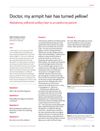
A 15-year-old boy's smelly, yellow armpit hair improved with clindamycin treatment.
 August 2018 in “Biomedical Journal of Scientific & Technical Research”
 Treated hair can fight dandruff and odor even after several washes.
 January 2007 in “The Year book of dermatology”
 Researchers successfully isolated and identified key stem cells in human hair follicles, which could help develop new skin and hair treatments.
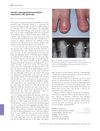 7 citations
,
August 2005 in “British Journal of Dermatology”
7 citations
,
August 2005 in “British Journal of Dermatology” Etanercept improved symptoms of a specific type of psoriatic arthritis in a patient who didn't respond to other treatments.
 June 2023 in “Benha Journal of Applied Sciences”
 Acne is caused by multiple types of bacteria.
 192 citations
,
March 2017 in “Cell host & microbe”
192 citations
,
March 2017 in “Cell host & microbe” Hair follicle development and microbes help regulatory T cells gather in newborn skin.
 170 citations
,
September 2019 in “Evidence-based Complementary and Alternative Medicine”
170 citations
,
September 2019 in “Evidence-based Complementary and Alternative Medicine” Some medicinal plants can help heal wounds and may lead to new treatments.