 2 citations
,
March 2020 in “Skin”
2 citations
,
March 2020 in “Skin” Using cidofovir cream for a rare skin disease can cause skin darkening.
 1 citations
,
May 2015 in “Journal of The American Academy of Dermatology”
1 citations
,
May 2015 in “Journal of The American Academy of Dermatology” Oral clindamycin and rifampicin are the most effective treatments for Folliculitis decalvans.
15 citations
,
July 2015 in “Journal of exotic pet medicine” Humans, especially vulnerable groups, can catch skin infections from small mammals.
 6 citations
,
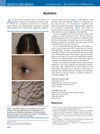
August 2012 in “The Journal of Pediatrics”
6 citations
,
August 2012 in “The Journal of Pediatrics” A 12-year-old girl was diagnosed with monilethrix, a genetic condition causing fragile, beaded hair that breaks easily, with no effective treatment available.
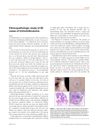
 January 2023 in “Indian dermatology online journal”
 Skin problems after waxing led to a sarcoidosis diagnosis.
 19 citations
,
September 2016 in “Journal of the European Academy of Dermatology and Venereology”
19 citations
,
September 2016 in “Journal of the European Academy of Dermatology and Venereology” Trichofolliculoma is a unique benign tumor mainly affecting middle-aged adults' faces, often misdiagnosed without histopathology.
68 citations
,
August 2009 in “American Journal of Medical Genetics Part A” A new classification for trichothiodystrophy helps identify genetic causes and potential treatments.
18 citations
,
September 1994 in “Clinical and Experimental Dermatology” Localized trichorrhexis nodosa is a hair condition where hair becomes fragile and breaks easily due to damage.
March 2024 in “Clinical Case Reports” Early detection of tinea capitis is possible by spotting specific hair patterns like comma or corkscrew hairs.
9 citations
,
November 2018 in “Dermatologic Clinics” Understanding related health issues in skin disease patients is crucial for better care.
1 citations
,
January 2016 in “Revista Brasileira de Higiene e Sanidade Animal” Combining lab tests with clinical observations is crucial for diagnosing hormonal skin issues in dogs.
20 citations
,
December 1995 in “Veterinary Dermatology” Yorkshire Terriers with Colour Dilution Alopecia have reduced melanin and hair structure issues.
July 2026 in “Anais Brasileiros de Dermatologia” AGA and SD share similar features, making diagnosis challenging.
36 citations
,
May 2005 in “BMC dermatology” DPCP is effective for treating severe alopecia areata, but relapse is common.
10 citations
,
July 2001 in “PubMed” A new type of pachyonychia congenita may exist, caused by a different keratin mutation.
 1 citations
,
January 2017 in “Japanese Journal of Oral & Maxillofacial Surgery”
1 citations
,
January 2017 in “Japanese Journal of Oral & Maxillofacial Surgery” The woman was cured of neurosyphilis after treatment with penicillin.
144 citations
,
May 1990 in “Journal of the American Academy of Dermatology” 5 citations
,
March 1982 in “Journal of Infection” Misdiagnosed skin infections led to ineffective treatments and serious complications.
179 citations
,
December 1989 in “Medical Entomology and Zoology” Effective management of ichthyoses requires genetic counseling and appropriate treatments.
 May 2015 in “Journal of The American Academy of Dermatology”
 A heart transplant patient developed a skin condition called epidermodysplasia verruciformis after taking immune-suppressing drugs.
 April 2019 in “The journal of investigative dermatology/Journal of investigative dermatology”
 DHT may reduce inflammation caused by certain bacteria in skin cells.
31 citations
,
October 1992 in “PubMed” A mycobacterial protein shares a similar region with a human skin protein, possibly affecting skin diseases.
 June 2023 in “jurnal veteriner”
 The combination of Typhonium flagelliforme extract and natural interferons effectively reduces tumor growth in mice.
2 citations
,
May 1985 in “Environmental Health Perspectives” Chlorinated compounds like TCDD can cause skin issues and chloracne by affecting cell behavior.
April 2011 in “www.virtualization.info” Early diagnosis of trachyonychia improves treatment and reduces psychological and cosmetic issues.
 January 2024 in “The Indian Veterinary Journal”
 A young goat with skin issues improved with medication and supplements.
August 2004 in “Veterinary Dermatology” A Brittany spaniel's skin issues from cephalexin improved with treatment, showing drug-induced pemphigus foliaceus.
87 citations
,
July 2009 in “Journal of Cell Science” Deleting the CDSN gene causes severe skin and hair problems, leading to death.
 5 citations
,
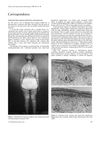
January 1998 in “Clinical and experimental dermatology”
5 citations
,
January 1998 in “Clinical and experimental dermatology” Myotonic dystrophy should be considered in patients with hair thinning, and genetic counseling is important.
27 citations
,
July 1993 in “The journal of investigative dermatology/Journal of investigative dermatology”