 5 citations
,
November 1999 in “Medical Hypotheses”
5 citations
,
November 1999 in “Medical Hypotheses” Minoxidil, a common hair loss treatment, might work by counteracting a hormone that reduces hair growth and promotes hair loss.
1 citations
,
May 1990 in “Indian Journal of Dermatology, Venereology and Leprology”  November 2024 in “Journal of Investigative Dermatology”
 Minoxidil rejuvenates hair follicles and reduces aging signs in male pattern baldness.
 14 citations
,
August 2020 in “Dermatologic Therapy”
14 citations
,
August 2020 in “Dermatologic Therapy” Low-dose oral minoxidil is a safe treatment for hair loss, with the main side effect being excessive hair growth. Other side effects like foot swelling, low blood pressure when standing, and heart rate changes are rare.
 2 citations
,
August 2019 in “Turkish Journal of Chemistry”
2 citations
,
August 2019 in “Turkish Journal of Chemistry” Researchers made minoxidil efficiently using cobalt ferrite nanoparticles as a reusable catalyst.
September 2024 in “Dermatology Online Journal” Facial hair growth from minoxidil stopped after she quit using it.
 20 citations
,
March 1994 in “Clinical and Experimental Dermatology”
20 citations
,
March 1994 in “Clinical and Experimental Dermatology” Too much topical minoxidil can cause excessive hair growth, but stopping treatment reverses it.
26 citations
,
March 1994 in “Archives of Dermatology” 2% topical minoxidil effectively promotes hair growth in women with androgenetic alopecia.
 5 citations
,
August 2021 in “Journal of The European Academy of Dermatology and Venereology”
5 citations
,
August 2021 in “Journal of The European Academy of Dermatology and Venereology” Sublingual minoxidil safely promotes hair growth.
 9 citations
,
February 2016 in “The Journal of Dermatology”
9 citations
,
February 2016 in “The Journal of Dermatology” Minoxidil 3% lotion is effective and safe for increasing beard hair count.
 6 citations
,
May 2012 in “Clinical and experimental dermatology”
6 citations
,
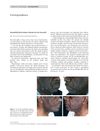
May 2012 in “Clinical and experimental dermatology” Oral minoxidil can cause inflamed, ingrown hairs in the beard area.
 36 citations
,
September 2018 in “Dermatologic Therapy”
36 citations
,
September 2018 in “Dermatologic Therapy” Oral minoxidil helps hair growth, is cost-effective, and mostly well-tolerated.
April 2025 in “Skin Health and Disease” Oral minoxidil is an effective alternative for hair loss but may cause more unwanted hair growth.
 October 2025 in “Frontiers in Medicine”
 The minoxidil-finasteride combination is more effective for hair growth than minoxidil alone.
38 citations
,
January 1993 in “PubMed” Minoxidil was crucial in advancing scientific research and treatments for hair loss.
 96 citations
,
October 1981 in “Drugs”
96 citations
,
October 1981 in “Drugs” Minoxidil effectively treats severe hypertension but may cause side effects, so careful monitoring is needed.
October 2013 in “Evidence-Based Practice” Minoxidil is effective and safe for female hair loss, with the 5% foam having the fewest side effects.
 22 citations
,
February 2008 in “Journal of Neurochemistry”
22 citations
,
February 2008 in “Journal of Neurochemistry” Minoxidil prevents serotonin loss from MDMA by affecting potassium channels and increasing Akt phosphorylation.
 August 2023 in “Dermatology Reports”
 Minoxidil, a common hair treatment, may cause hair to turn grey or change color, especially with long-term use or if you have a family history of grey hair.
 January 2022 in “Experimental Dermatology”
 Minoxidil solution and foam both increase hair growth, but the solution works better than the foam.
 24 citations
,
February 1987 in “Drugs”
24 citations
,
February 1987 in “Drugs” Minoxidil promotes hair regrowth, but more research needed for effectiveness and response factors.
 1 citations
,
January 2018 in “International Journal of Research in Dermatology”
1 citations
,
January 2018 in “International Journal of Research in Dermatology” Adding finasteride to minoxidil solution for hair loss treatment didn't show extra benefits, just increased cost and fear of side effects.
 123 citations
,
February 2002 in “Journal of The American Academy of Dermatology”
123 citations
,
February 2002 in “Journal of The American Academy of Dermatology” Minoxidil can cause skin allergy; use alternative solvents or treatments if allergic.
 43 citations
,
November 1992 in “International Journal of Dermatology”
43 citations
,
November 1992 in “International Journal of Dermatology” Minoxidil 2% effectively treats female hair loss, promoting growth and density.
August 2019 in “The journal of investigative dermatology/Journal of investigative dermatology” Placebo effects in alopecia treatments are likely due to study design, not real improvement.
 June 2025 in “ACS Biomaterials Science & Engineering”
 A new method using hydrogels and microneedle patches improves minoxidil delivery for better hair growth.
 1 citations
,
September 2023 in “Dermatology online journal”
1 citations
,
September 2023 in “Dermatology online journal” Low dose oral minoxidil can help with hair growth but may cause serious heart problems, so doctors need to be careful.
 July 2024 in “Pharmaceutical Care España”
 Careful monitoring is needed when using oral minoxidil for hair loss due to potential side effects.
 July 2013 in “Our Dermatology Online”
 Minoxidil 2% is more effective than tacrolimus 0.1% for hair regrowth in mild to moderate patchy hair loss, and combining both might give better results.

A reliable method was developed to ensure hair growth products have the right amount of active ingredients.