 March 2021 in “Egyptian Journal of Chemistry”
 The herbal shampoo with Momordica charantia and Hibiscus Rosa-Sinensis is safe and promotes hair growth and scalp health.
 January 2021 in “Journal of Pakistan Association of Dermatology”
 COVID-19 recovery can lead to temporary hair loss called telogen effluvium.
 January 2021 in “Journal of clinical and cosmetic dermatology”
 Human skin responds to light with protective mechanisms, but more research is needed to understand these processes and their implications for health and therapy.
 November 2020 in “International journal of contemporary pediatrics”
 Two siblings had a rare immune disorder caused by a FOXN1 gene mutation.
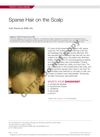
A 5-year-old girl has sparse, dry, and brittle hair but is otherwise healthy.

Spironolactone may be a better acne treatment for adult women than antibiotics.
 August 2019 in “Stem cells”
 New treatments for hair loss, fertility, and wound healing are being explored.
 July 2019 in “Facial Plastic Surgery Clinics of North America”
 New techniques and technologies are improving facial plastic and reconstructive surgery.
 May 2019 in “Australasian Journal of Dermatology”
 The conclusion is that managing hair loss conditions like FFA and melanoma requires individualized approaches, considering new findings and balancing treatment benefits with potential risks.
 May 2019 in “Australasian Journal of Dermatology”
 A new diagnostic tool for Vulvovaginal Lichen Planus is highly accurate, and updated treatments for various skin conditions, including melanoma and Hidradenitis Suppurativa, were discussed.
 January 2019 in “Journal of Pharmacognosy and Phytochemistry”
 The methanolic fruit extract of Citrullus colocynthis contains bioactive compounds that may support its use in traditional medicine and drug development.
 November 2018 in “Springer eBooks”
 The document concludes that hair transplant methods are often selected for provider convenience over patient benefit, highlighting the need for less invasive techniques and careful physician involvement for better results.
 October 2018 in “International journal of clinical & experimental dermatology”
 Baicapil was effective in reducing hair loss and increasing hair growth in women with telogen effluvium.
 June 2018 in “Biomedical Journal of Scientific & Technical Research”
 Cells can change to help heal wounds better.
 November 2017 in “Elsevier eBooks”
 PCOS is a genetic disorder affecting women's reproductive health, with treatments focused on symptoms like insulin resistance and fertility.
 April 2017 in “Austin Journal of Cancer and Clinical Research”
 5α-reductase inhibitors like Finasteride and Dutasteride may help manage prostate cancer by blocking testosterone conversion.
 April 2016 in “Annals of laboratory medicine”
 The method reliably profiles eicosanoids and shows epitestosterone reduces their levels, similar to common anti-inflammatory drugs.
 April 2016 in “Journal of Urology and Nephrology Open Access”
 Thermobalancing Therapy can treat enlarged prostate and improve men's quality of life.
 December 2015 in “University of Birmingham Institutional Research Archive (University of Birmingham)”
 AKR1C3 could be a treatment target for metabolic issues in PCOS.
 August 2015 in “Free Radical Biology and Medicine”
 Some treatments can improve skin's defense against damage, but overuse may cause other skin problems.
 August 2015 in “Free Radical Biology and Medicine”
 The study suggests that higher levels of SIRT1 and SIRT2 may improve overall cell health and aging processes.
 August 2015 in “Free Radical Biology and Medicine”
 Nrf2 helps protect skin from damage but too much can cause skin problems.
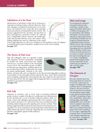 May 2015 in “Journal of Investigative Dermatology”
 Melanoma risk tools need improvement, a gene mutation causes a hair disorder that might be treated by managing cell stress, a potential therapy for a skin-ear disorder involves blocking cell channels, skin wrinkling may indicate lung aging regardless of smoking, and oxidative stress might contribute to common baldness.
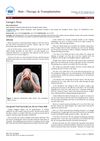 January 2015 in “Hair therapy & transplantation”
 Hair restoration greatly improved George's confidence and self-identity.
 January 2015 in “Side effects of drugs annual”
 The document concludes that sex hormones and related compounds have various effects on health, with both potential benefits and risks.
Skin changes throughout life, from development before birth to aging effects like wrinkles, influenced by both genetics and environment.
The research found that people's hair proteins vary, especially by ethnicity and body part, which could help identify individuals in forensic science.
The research found that people's hair proteins vary by individual and body part, with some differences between ethnic groups, which could help in forensics.
 May 2014 in “Journal of Investigative Dermatology”
 Scientists developed tools to observe hair regeneration in real time and assess skin health, using glowing mice and light-controlled genes.
 December 2013 in “Appetite”
 A defective gene causes hair loss and taste insensitivity in BTBR mice.