 21 citations
,
January 2021 in “Journal of infection and chemotherapy”
21 citations
,
January 2021 in “Journal of infection and chemotherapy” Men, diabetes, and high inflammation levels lead to higher COVID-19 antibodies.
 12 citations
,
December 2021 in “Frontiers in Medicine”
12 citations
,
December 2021 in “Frontiers in Medicine” Some patients on immunosuppressants had a weaker immune response to the Sinovac-CoronaVac COVID-19 vaccine.
 1 citations
,
September 2022
1 citations
,
September 2022 Distinguishing drug-induced lupus from systemic lupus is challenging and requires careful monitoring.
 May 2022 in “Annals of the Rheumatic Diseases”
 It's unclear if COVID-19 vaccination causes SLE; more research is needed.
52 citations
,
September 2021 in “Kidney International” COVID-19 vaccination may trigger lupus in some people.
2 citations
,
March 2023 in “Zenodo (CERN European Organization for Nuclear Research)” COVID-19 may trigger systemic lupus erythematosus in some people.

The document suggests using convalescent plasma to treat COVID-19 Long Hauler Syndromes because it may contain beneficial elements that target the virus.
 2 citations
,
October 2022 in “Current Dermatology Reports”
2 citations
,
October 2022 in “Current Dermatology Reports” People on immune-modifying skin disease treatments may have a weaker antibody response to COVID-19 vaccines but often improve after the second dose.
 25 citations
,
January 2022 in “Endocrine journal”
25 citations
,
January 2022 in “Endocrine journal” Long COVID patients may have hormonal imbalances linked to their symptoms.
 April 2026 in “Antibodies”
 The role of antibodies in alopecia is unclear, but JAK inhibitors show promise for treatment.
 51 citations
,
August 2021 in “Turkish Journal of Medical Sciences”
51 citations
,
August 2021 in “Turkish Journal of Medical Sciences” As of December 2021, the most effective COVID-19 treatments were monoclonal antibodies and possibly early-administered convalescent plasma, while several drugs were found ineffective or were still under evaluation.
 46 citations
,
August 2022 in “Journal of Endocrinological Investigation”
46 citations
,
August 2022 in “Journal of Endocrinological Investigation” COVID-19 temporarily affects male reproductive health, but sperm and testosterone levels generally return to normal after three months.
 2 citations
,
April 2021 in “International Journal of Dermatology”
2 citations
,
April 2021 in “International Journal of Dermatology” COVID-19 can cause skin issues like hives, rashes, and chickenpox-like eruptions, with women aged 31-40 being the most affected.
 September 2024 in “The Italian Journal of Pediatrics/Italian journal of pediatrics”
 COVID-19 vaccination may be linked to MIS-C in children, highlighting the need for quick diagnosis and treatment.
 April 2023 in “Dermatology practical & conceptual”
 Some patients with hair loss after mild COVID-19 had positive tests for certain autoantibodies.
 52 citations
,
January 2022 in “Current Research in Pharmacology and Drug Discovery”
52 citations
,
January 2022 in “Current Research in Pharmacology and Drug Discovery” New treatments for COVID-19 show promise, but more effective antiviral drugs are needed.
6 citations
,
October 2024 in “BMC Infectious Diseases” Vaccination reduces COVID-19 severity, and some symptoms like hair loss can persist for a year.
 April 2023 in “Journal of Investigative Dermatology”
 Booster shots of mRNA vaccines for COVID-19 increased protective antibodies without worsening autoimmune skin conditions in patients.
1 citations
,
September 2023 in “Laboratornye Zhivotnye dlya nauchnych issledovanii (Laboratory Animals for Science)” Avian yolk antibodies offer a promising, ethical alternative for disease prevention and therapy.
May 2022 in “Endocrine practice” High-dose biotin can cause false thyroid test results; stop taking biotin two days before testing to avoid errors.
 1 citations
,
March 2024 in “Signal transduction and targeted therapy”
1 citations
,
March 2024 in “Signal transduction and targeted therapy” NF-κB signaling is crucial in many diseases and can be targeted for new treatments.
 February 2022 in “Journal of clinical research and reports”
 Plasma therapy is becoming more popular for treating viral infections, skin conditions, and orthopedic issues, and is expected to grow in the healthcare market.
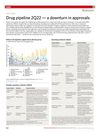 August 2022 in “Nature Biotechnology”
 Drug approvals slowed in 2Q22, but notable drugs like Amvuttra, Camzyos, and Olumiant were approved.
 9 citations
,
November 2020 in “Medical Hypotheses”
9 citations
,
November 2020 in “Medical Hypotheses” Hair loss may link to weaker COVID-19 immunity, suggesting possible need for extra vaccine boost.
 December 2023 in “Curēus”
 COVID-19 vaccination does not significantly increase the risk of developing alopecia areata.
 September 2020 in “Annals of the National Academy of Medical Sciences. India”
 COVID-19 can cause skin issues like "COVID toes," rashes, hair loss, and hand eczema, and dermatologists are important for recognizing these signs.
 1250 citations
,
August 2021 in “Scientific Reports”
1250 citations
,
August 2021 in “Scientific Reports” COVID-19 leaves 80% of patients with long-term symptoms like fatigue and headaches.
 139 citations
,
December 2020 in “Cell Stem Cell”
139 citations
,
December 2020 in “Cell Stem Cell” Male hormones affect COVID-19 severity and certain drugs targeting these hormones could help reduce the risk.
 118 citations
,
November 2024 in “World Journal of Biology Pharmacy and Health Sciences”
118 citations
,
November 2024 in “World Journal of Biology Pharmacy and Health Sciences” Pregnant and breastfeeding women should get COVID-19 vaccines for safety and protection.
 101 citations
,
July 2020 in “Dermatologic therapy”
101 citations
,
July 2020 in “Dermatologic therapy” COVID-19 can cause skin issues like rashes and "COVID toes," and people with skin conditions should adjust their treatments if they get the virus.