 June 2020 in “Research Square (Research Square)”
 Non-Kuwaitis with COVID-19 had higher chances of severe outcomes than Kuwaitis.
December 2022 in “Pakistan Armed Forces Medical Journal” Androgenetic alopecia may increase the severity of COVID-19.
Androgenetic alopecia may be linked to severe COVID-19.
 25 citations
,
February 2022 in “JAAD International”
25 citations
,
February 2022 in “JAAD International” Some COVID-19 patients lose hair, with the most common type linked to male hormones and possibly increasing the risk of severe illness.
 14 citations
,
February 2021 in “Journal of the European Academy of Dermatology and Venereology”
14 citations
,
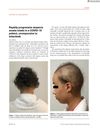
February 2021 in “Journal of the European Academy of Dermatology and Venereology” A COVID-19 patient with severe hair loss did not improve with hair loss medication after stopping and restarting it due to the infection.
 737 citations
,
August 2020 in “Journal of Infection”
737 citations
,
August 2020 in “Journal of Infection” Many COVID-19 survivors experience long-term symptoms but still report satisfactory quality of life and return to work.
 228 citations
,
January 2021 in “Journal of Neuroimmune Pharmacology”
228 citations
,
January 2021 in “Journal of Neuroimmune Pharmacology” Men have more severe COVID-19 outcomes than women.
 151 citations
,
May 2021 in “Frontiers in Medicine”
151 citations
,
May 2021 in “Frontiers in Medicine” Many patients experience long-lasting symptoms like fatigue and pain after COVID-19, regardless of initial disease severity.
 42 citations
,
August 2021 in “Narra J”
42 citations
,
August 2021 in “Narra J” Many COVID-19 survivors experience long-lasting symptoms, including hair loss and psychological issues.
 39 citations
,
June 2020 in “Dermatologic Therapy”
39 citations
,
June 2020 in “Dermatologic Therapy” The COVID-19 pandemic led to an increase in untreated hair diseases and showed the importance of teledermatology.
34 citations
,
February 2023 in “Frontiers in Public Health” Hospitalized COVID-19 survivors have a higher risk of long-term symptoms and need special care.
 21 citations
,
June 2020 in “Dermatologic Therapy”
21 citations
,
June 2020 in “Dermatologic Therapy” The COVID-19 pandemic led to fewer dermatology visits and changed the types of skin conditions patients experienced.
14 citations
,
February 2021 in “Open Forum Infectious Diseases” Most COVID-19 patients had lingering symptoms 60 days after leaving the hospital.
 12 citations
,
December 2020 in “Journal of The American Academy of Dermatology”
12 citations
,
December 2020 in “Journal of The American Academy of Dermatology” The COVID-19 pandemic increased symptoms in people with skin picking and hair pulling disorders.
 9 citations
,
May 2021 in “Dermatologic Therapy”
9 citations
,
May 2021 in “Dermatologic Therapy” Possible link between androgens and COVID-19 severity; more research needed.
8 citations
,
January 2023 in “Therapeutic Advances in Infectious Disease”  8 citations
,
May 2021 in “Journal of the European Academy of Dermatology and Venereology”
8 citations
,
May 2021 in “Journal of the European Academy of Dermatology and Venereology” A COVID-19 patient had unusual nail discoloration and nail separation possibly due to the virus's effects on small blood vessels.
 7 citations
,
January 2021 in “Infectious diseases News Opinions Training”
7 citations
,
January 2021 in “Infectious diseases News Opinions Training” Tailoring COVID-19 measures to risk levels in the military improves health and readiness.
 7 citations
,
July 2020 in “Journal of The American Academy of Dermatology”
7 citations
,
July 2020 in “Journal of The American Academy of Dermatology” Skin symptoms linked to COVID-19 are hard to confirm, and more testing is needed to identify which are truly caused by the virus.
 5 citations
,
October 2022 in “Cureus”
5 citations
,
October 2022 in “Cureus” Older, obese people with many COVID-19 symptoms are more likely to suffer from severe long-term COVID-19 effects.
 5 citations
,
July 2022 in “Journal of Clinical Medicine”
5 citations
,
July 2022 in “Journal of Clinical Medicine” Long COVID-19 patients with skin pain might have a nerve condition that responds to a medication called gabapentin.
 3 citations
,
May 2021 in “British Journal of Dermatology”
3 citations
,
May 2021 in “British Journal of Dermatology” The COVID-19 pandemic led to fewer skin checks and skin cancer diagnoses in Australia in 2020.
 2 citations
,
July 2021 in “Dermatologic Therapy”
2 citations
,
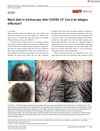
July 2021 in “Dermatologic Therapy” A woman's hair loss after COVID-19 was likely due to a mix of pressure-induced alopecia and acute telogen effluvium.
 1 citations
,
May 2023 in “Revista Eletrônica Acervo Saúde”
1 citations
,
May 2023 in “Revista Eletrônica Acervo Saúde” Alopecia after COVID-19 negatively impacts quality of life, especially vitality.
 1 citations
,
December 2021 in “Medical Records”
1 citations
,
December 2021 in “Medical Records” The COVID-19 pandemic led to fewer dermatology visits, older and more male patients, and more stress-related skin issues.
 1 citations
,
November 2021 in “F1000Research”
1 citations
,
November 2021 in “F1000Research” The COVID-19 pandemic led to more hair loss and skin irritation among Iraqi women, with some skin conditions increasing and others decreasing.
 1 citations
,
May 2021 in “International Journal Of Medical Science And Clinical Invention”
1 citations
,
May 2021 in “International Journal Of Medical Science And Clinical Invention” Women with PCOS may have a higher risk of severe COVID-19 due to hormonal imbalances and vitamin D deficiency.
1 citations
,
May 2021 in “InterConf” Post-COVID-19 hair loss is likely due to stress and inflammation.
 1 citations
,
April 2021 in “Clinical and Experimental Dermatology”
1 citations
,
April 2021 in “Clinical and Experimental Dermatology” The COVID-19 pandemic has caused a 57% increase in interest in facial cosmetic procedures, leading to calls for better industry regulation and professional standards.
May 2026 in “Skin Appendage Disorders” Trichoscopy and histopathology can help identify post-COVID-19 hair loss.