 25 citations
,
July 2021 in “Journal of Medical Virology”
25 citations
,
July 2021 in “Journal of Medical Virology” COVID-19 can cause various skin issues, including rashes and hair loss, which usually heal on their own and don't always indicate severe illness.
 2 citations
,
September 2021
2 citations
,
September 2021 The COVID-19 pandemic increased the use of teledermatology to treat skin conditions in low-income areas, despite challenges like poor photo quality.
November 2025 in “Cureus” COVID-19 vaccines caused mostly mild side effects in Bangladeshi medical students, with fewer issues after more doses.
August 2021 in “Journal of the American Academy of Dermatology” The study evaluated how alopecia areata severity relates to its psychosocial effects on patients.
 39 citations
,
June 2020 in “Dermatologic Therapy”
39 citations
,
June 2020 in “Dermatologic Therapy” The COVID-19 pandemic led to an increase in untreated hair diseases and showed the importance of teledermatology.
During COVID-19, Iraqi women saw more hair loss and skin issues like acne due to stress, masks, and hygiene habits.
January 2022 in “Faculty of 1000 Research Ltd” During COVID-19, Iraqi women experienced more hair loss and skin issues like acne, likely due to stress and mask-wearing.
 4 citations
,
October 2020 in “Research Square (Research Square)”
4 citations
,
October 2020 in “Research Square (Research Square)” Early treatment with certain drug combinations improved COVID-19 outcomes and prevented severe disease in males, including those at higher risk.
 1 citations
,
August 2021 in “Internal Medicine Journal”
1 citations
,
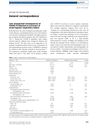
August 2021 in “Internal Medicine Journal” After severe COVID-19, 71% of patients experienced excessive hair shedding and thinning within 3 months due to factors like low oxygen levels, medication, stress, and autoimmune disease.
 June 2022 in “Journal of the turkish academy of dermatology”
 During the COVID-19 pandemic, some skin conditions became more common while others decreased.
 May 2022 in “F1000Research”
 During the COVID-19 pandemic, Iraqi women experienced more hair loss and certain skin conditions, while contagious skin infections decreased.
 43 citations
,
July 2020 in “Dermatologic Therapy”
43 citations
,
July 2020 in “Dermatologic Therapy” During the COVID-19 pandemic, a clinic in Turkey saw fewer patients but more cases of certain skin conditions, possibly linked to the virus and stress.
 4 citations
,
March 2022 in “Journal of Infection”
4 citations
,
March 2022 in “Journal of Infection” Anti-androgen therapy might help protect against COVID-19 infection and reduce death risk.
2 citations
,
June 2025 in “Frontiers in Public Health” Regular mole checks and UV protection are crucial, especially for fair-skinned and health-compromised individuals.
 32 citations
,
March 2021 in “Journal of cosmetic dermatology (Print)”
32 citations
,
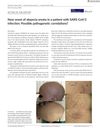
March 2021 in “Journal of cosmetic dermatology (Print)” COVID-19 infection may trigger alopecia areata in some patients.
7 citations
,
July 2024 in “Frontiers in Immunology” COVID-19 can increase the risk of hair loss, especially in people over 40.
 14 citations
,
March 2022 in “Dermatologic Therapy”
14 citations
,
March 2022 in “Dermatologic Therapy” COVID-19 and its vaccines can cause hair loss, which is not serious and can improve with psychological support.
 8 citations
,
February 2022 in “Journal of Clinical Medicine”
8 citations
,
February 2022 in “Journal of Clinical Medicine” Many COVID-19 patients experience temporary hair loss after infection, not linked to infection severity or treatment.
November 2021 in “Медицинский алфавит” COVID-19 can cause temporary hair loss due to stress and inflammation.
 January 2025 in “Annals of Dermatology”
 COVID-19 vaccination may slightly increase the risk of hair loss, but benefits outweigh this risk.
 1 citations
,
August 2020 in “Open Access Macedonian Journal of Medical Sciences”
1 citations
,
August 2020 in “Open Access Macedonian Journal of Medical Sciences” Skin problems like rashes and hair loss can help diagnose and predict COVID-19.
18 citations
,
June 2021 in “Endocrinology” Anti-androgens might help reduce COVID-19 severity in men.
 February 2026 in “PubMed”
 A personalized nutrition plan improved hair and skin health in a young man.
 2 citations
,
December 2022 in “Journal of the European Academy of Dermatology and Venereology”
2 citations
,
December 2022 in “Journal of the European Academy of Dermatology and Venereology” More people are seeing dermatologists for hair and scalp problems now than in the past.
 September 2025 in “Cosmoderma”
 Pandemic stress worsens hair loss and skin issues, suggesting combined mental and skin care treatments.
 April 2021 in “Journal of the European Academy of Dermatology and Venereology”
 The document corrects an author's affiliation in previous articles about COVID-19 and its links to hair loss and hormones.
October 2025 in “University of Zadar Institutional Repository” Early hair loss may signal a risk for metabolic syndrome and related health issues.
 489 citations
,
November 2021 in “Signal Transduction and Targeted Therapy”
489 citations
,
November 2021 in “Signal Transduction and Targeted Therapy” The JAK/STAT pathway is important in cell processes and disease, and JAK inhibitors are promising for treating related conditions.
 1 citations
,
January 2024 in “Annals of Dermatology”
1 citations
,
January 2024 in “Annals of Dermatology” COVID-19 may trigger alopecia areata, but more research is needed.
 1 citations
,
August 2022 in “Медицинский совет”
1 citations
,
August 2022 in “Медицинский совет” The treatment with an oral drug and topical lotion is effective and well-tolerated for hair loss after COVID-19.