 December 2025 in “npj Systems Biology and Applications”
 Cold temperatures can stop human cell circadian rhythms, but warming restores them.
 April 2024 in “Research Square (Research Square)”
 Selenium supplements can help improve symptoms and metabolic markers in lupus patients.
 September 2023 in “HAL (Le Centre pour la Communication Scientifique Directe)”
 Peptide nanoparticles can effectively deliver CRISPR-Cas9 to target KRAS mutations in cancer.
 April 2023 in “Digital Library of Theses and Dissertations (Universidade de São Paulo)”
 Mesenchymal stem cells from laser-assisted liposuction are as effective and safe as those from conventional liposuction for cell therapy.

Mesenchymal stem cells from laser-assisted liposuction are as effective and safe as those from conventional methods for cell therapy.

Fetal environments contain various chemicals that may disrupt hormones.
March 2022 in “Biomedical Journal of Scientific & Technical Research” Improving mitochondrial health may help alleviate symptoms like chronic fatigue and depression.
 December 2021 in “Research Square (Research Square)”
 S100A4 and NMIIA promote tumor growth in glioblastoma by enhancing blood vessel functions.
Spironolactone may be a better acne treatment for adult women than antibiotics.
 July 2019 in “Acta Scientiae Veterinariae”
 Removing a testicular tumor in a dog reduced its aggressive behavior and skin problems.

The extract of Guazuma ulmifolia Lam. has limited antioxidant properties and cannot prevent uric acid synthesis.
 November 2018 in “Springer eBooks”
 Children need early diagnosis and treatment for iron-deficiency anemia to prevent learning problems and promote health.
 November 2016 in “Elsevier eBooks”
 Genetic mutations can affect female sexual development, requiring personalized medical care.
 April 2015 in “Andrology”
 HNG may help prevent the negative effects of chemotherapy on sperm production and white blood cell counts.

Alopecia areata is an autoimmune disease affecting hair follicles and may harm heart health.

The document concludes that most hair loss treatments don't work, balding isn't caused by dandruff, and hair loss may indicate serious health issues that require medical attention.
 February 2026 in “Frontiers in Public Health”
 Lifestyle changes can help manage androgenetic alopecia.
 July 2025 in “Scientific Reports”
 Six key genes can predict bladder cancer outcomes and may serve as prognostic biomarkers.
 January 2024 in “Journal of Cosmetics Dermatological Sciences and Applications”
 Females with pattern hair loss have more occipital involvement than males.

Early NAS level changes affect alcohol consumption vulnerability.
 January 2016 in “Journal of The Korean Medical Association”
 The document says how to diagnose and treat hair loss from alopecia areata, but there's no cure and treatments vary.
 June 2015 in “Biomedical and biopharmaceutical research”
 The congress showed advancements in skin hydration, barrier function, and safe, effective new cosmetic formulations.
Women with androgenetic alopecia (hair loss) have normal prostate specific antigen levels but higher testosterone levels.
 January 2012 in “Vitamins & trace elements”
 Smoking and drinking can lower vitamin levels and potentially trigger early hair loss, but overall vitamin levels don't seem to affect hair loss duration.
 84 citations
,
April 2013 in “Applied Microbiology and Biotechnology”
84 citations
,
April 2013 in “Applied Microbiology and Biotechnology” Mannosylerythritol lipids are good for skin and hair care products.
 76 citations
,
July 2019 in “Scientific Reports”
76 citations
,
July 2019 in “Scientific Reports” Baicalin nanocapsules greatly enhance its anticancer effects on breast cancer cells.
 25 citations
,
January 2002 in “Folia Pharmacologica Japonica”
25 citations
,
January 2002 in “Folia Pharmacologica Japonica” Minoxidil helps hair grow by improving blood flow and increasing growth factors in hair follicles.
 13 citations
,
October 2012 in “InTech eBooks”
13 citations
,
October 2012 in “InTech eBooks” Nanocarriers could improve how drugs are delivered through the skin but require more research to overcome challenges and ensure safety.
Personalized care and evidence-based treatments are crucial for managing skin and hair conditions.
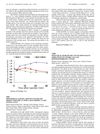 April 2010 in “The Journal of Urology”
 Human prostate cells produce more WISP1/CCN4 when there's not enough oxygen.