 November 2024 in “NeoReviews”
 Pallister-Killian Syndrome is a complex genetic disorder requiring coordinated care and genetic counseling.
 October 2024 in “Stem Cell Research & Therapy”
 CGF therapy may effectively treat psoriasis by reducing inflammation.
 22 citations
,
May 2002 in “Skin Research and Technology”
22 citations
,
May 2002 in “Skin Research and Technology” CE-PTG detects early hair follicle issues in balding areas, helping measure male hair loss.
September 2019 in “Journal of Investigative Dermatology” CCCA in women of African ancestry may be caused by PADI3 gene mutations and intense hair grooming.
 May 2026 in “International Journal of Biological Macromolecules”
 The hydrogel with Poria cocos vesicles helps regrow hair in hair loss by activating specific cell signals.

Pygo2 is important for early growth and progression of intestinal tumors, and could be a target for treating cancers with certain mutations.
 2 citations
,
December 2016 in “Experimental cell research”
2 citations
,
December 2016 in “Experimental cell research” The research found a way to identify and study skin cells with stem cell traits, revealing they behave differently in culture and questioning current stemness assessment methods.
The cream with xyloglucan, pea protein, and cactus extract works as well as the standard treatment for psoriasis and is well-tolerated.
The research shows how certain drugs can form stable structures with polymers, which is important for making new pharmaceuticals.
July 2024 in “Journal of Investigative Dermatology” CRISPR/Cas9 and prime editing can potentially fix skin disorder genes safely and effectively.
Researchers created a new mouse model, G4, that mimics human PCOS symptoms and links the condition to a specific gene.
Targeting the PGI2 pathway may help heal diabetic foot ulcers.
Cadd4 effectively reduces cholesterol levels without side effects.
 January 2024 in “Epidemiology international journal”
 19.7% of Afro-Caribbean women in Tobago have PCOS.
 April 2019 in “The journal of investigative dermatology/Journal of investigative dermatology”
 848 genes related to fat and metabolism are less active in people with Central Centrifugal Cicatricial Alopecia.
GPC1 is important for hair growth by helping blood vessels form around hair follicles.
 1 citations
,
April 2018 in “The journal of investigative dermatology/Journal of investigative dermatology”
1 citations
,
April 2018 in “The journal of investigative dermatology/Journal of investigative dermatology” Topical patidegib gel effectively treats basal cell carcinoma in Gorlin syndrome patients without causing the side effects seen with oral treatments.
 September 2024 in “Portuguese Journal of Dermatology and Venereology”
 CCCA and LPP may be related hair loss conditions influenced by genetics and environment, needing early treatment.
 July 2010 in “Hair transplant forum international”
 The ABHRS held a test in Capri, Italy.
18 citations
,
September 2003 in “International Journal of Cancer” EBV infection increases a specific keratin variant in carcinoma cells, possibly affecting cell structure and cancer progression.
9 citations
,
February 2022 in “Biomedicines” Testosterone treatment may change estrogen receptor methylation in AFAB individuals.
5 citations
,
February 2024 in “Journal of Investigative Dermatology” Alopecia areata patients have fewer protective regulatory B cells, which may contribute to the disease.
September 2025 in “Current Oncology” LncRNAs may help improve brain cancer treatment and diagnosis.
 April 2023 in “The journal of investigative dermatology/Journal of investigative dermatology”
 People with alopecia areata have fewer IL-10 producing immune cells, which might contribute to the condition.
May 2022 in “The journal of investigative dermatology/Journal of investigative dermatology” Loss of TET2 increases the risk of skin and oral cancer.
 April 2017 in “Journal of Investigative Dermatology”
 10% carbamide peroxide is safe and effectively reduces mild to moderate acne.
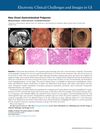 August 2013 in “Gastroenterology”
 A 60-year-old man with Cronkhite-Canada syndrome improved with treatment, but the condition has a high mortality rate and a risk of colorectal cancer.

The conclusion is that a treatment called cp-asiAR can reduce hair loss and promote hair growth, making it a potential new therapy for androgenetic alopecia.
5 citations
,
April 2020 in “Journal of Mind and Medical Sciences” The new device improves surgical accuracy by using a special dye and camera to see inside tissues.

Equine Cushing's disease in horses causes hormonal imbalance, leading to symptoms like abnormal hair growth and requires lifelong treatment with pergolide.