January 2024 in “Indian Journal of Pharmacy Practice” Good medication adherence improves quality of life in subclinical thyroid disorder patients.

Older Julia Creek dunnarts often have reproductive and hormonal health issues.
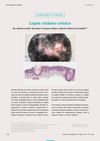 January 2024 in “Revista Dermatológica Centro Uraga”
 The patient has Chronic Cutaneous Lupus, a skin condition causing plaques and hair loss.
 January 2024 in “Wiadomości Lekarskie”
 Low-penetration genes might help personalize colorectal cancer prevention.
January 2024 in “University of Zagreb University Computing Centre (SRCE)” Women with PCOS have different hormone levels than those without it.
December 2023 in “International Journal of Health and Pharmaceutical” Green betel leaf extract cream helps improve hair growth and health.
 November 2023 in “Journal of Cosmetic and Laser Therapy”
 Most alopecia patients are open to trying light therapy, especially at-home devices, but cost is a big factor in their willingness.
 November 2023 in “Research Square (Research Square)”
 NIR-II imaging effectively tracked stem cells that helped repair facial nerve defects in rats.

Continuous research and innovative strategies are essential for sustainable development.
 August 2023 in “International Journal of Molecular Sciences”
 Liposomes show promise for delivering CRISPR for gene editing but face challenges like delivery efficiency and safety concerns.

Higher EULAR/ACR scores in SLE patients predict more organ damage.
 June 2023 in “Research Square (Research Square)”
 Sky Fruit Seed Crush can preserve goatskin with less environmental impact than traditional methods.
 May 2023 in “Dermatology Reports”
 The study found that skin conditions in COVID-19 patients can signal serious internal organ damage and may be life-threatening.
 May 2023 in “bioRxiv (Cold Spring Harbor Laboratory)”
 Telocytes, cells with long extensions, are vital for hair growth because they produce Wnt signals, which are necessary for hair follicle regeneration.
April 2023 in “Journal of Investigative Dermatology” CD8+ T cells attack hair follicle stem cells, causing scarring and hair loss.
 April 2023 in “Journal of Investigative Dermatology”
 LSD1 is essential for healthy skin development and creating the skin's protective barrier.
 April 2023 in “Iraqi postgraduate medical journal”
 Microneedling with clobetasol cream works better for hair regrowth in alopecia areata than clobetasol cream alone.
 January 2023 in “Research Square (Research Square)”
 Many patients experienced severe hair loss after COVID-19, especially older adults and women.
January 2023 in “Indian journal of pharmacy practice” Over-the-counter cosmetic creams can cause skin damage on the face that is visible under dermoscopy and confirmed by tissue analysis.
October 2022 in “Amplla Editora eBooks”  July 2022 in “Al-Mağallaẗ al-ʻirāqiyyaẗ li-l-ṣaydalaẗ”
 Azelaic acid cream can effectively treat scalp hair loss.
 June 2022 in “Authorea (Authorea)”
 Efficient delivery systems are needed for the clinical use of CRISPR-Cas9 gene editing.
 January 2022 in “World journal of pharmaceutical sciences”
 Many women with polycystic ovarian disease show symptoms like excessive hair growth, acne, hair loss, and have high levels of certain hormones.
Keratinocytes can reverse the effects of the GNAQ oncogene, inhibiting melanoma cell growth.
November 2021 in “SPAST Abstracts” The EFH-SLM cream is more effective and gentler for treating excessive hair growth in women.
Keratinocytes can reduce the survival of certain melanoma cells, suggesting new therapy paths.
The microenvironment affects the behavior and survival of melanocytes with the GNAQ oncogene in melanoma.
 August 2021 in “Han'gug miyong haghoeji/Journal of the Korean society of cosmetology”
 Using natural polyphenol cross-linkers like tannic acid and green tea extract in perm treatments improves curling and protects hair.
August 2021 in “Journal of the American Academy of Dermatology” The study evaluated how alopecia areata severity relates to its psychosocial effects on patients.
August 2021 in “Institutional Repositories DataBase (IRDB)” Rubbing lotion or cream increases caffeine absorption through the skin but not rhododendrol.