![Synthesis and Activity of 8-Substituted Benzo[c]quinolizin-3-ones as Dual Inhibitors of Human 5α-Reductases 1 and 2](/images/assets/efc54340-66d6-4f27-9930-045ac023f903/small/15248.jpg) 9 citations
,
November 2004 in “Bioorganic & Medicinal Chemistry Letters”
9 citations
,
November 2004 in “Bioorganic & Medicinal Chemistry Letters” New compounds were made that effectively block enzymes related to prostate issues and hair loss.
3 citations
,
November 2023 in “Journal of Investigative Dermatology” Over 45% of patients with alopecia areata benefit from ritlecitinib, mostly within a year.
4 citations
,
August 2023 in “Biomedicine & Pharmacotherapy” Ivacaftor can protect against noise-induced hearing loss by reducing oxidative stress.
January 2018 in “Figshare” Ruxolitinib and tofacitinib are effective and safe for treating severe alopecia areata.
 15 citations
,
December 2014 in “Dermatology and therapy”
15 citations
,
December 2014 in “Dermatology and therapy” Sorafenib can cause facial acne-like eruptions, which improve after reducing the dose or stopping the drug.
 June 2024 in “Journal of Clinical Oncology”
 EGFR-TKIs can cause unexpected skin, nail, and hair issues.
87 citations
,
January 1996 in “Journal of cellular biochemistry” Over 30 potential cancer prevention treatments are being tested, with some showing promise in early research.
 4 citations
,
September 2024 in “BMC Cancer”
4 citations
,
September 2024 in “BMC Cancer” Adding dutasteride to therapy may improve treatment for advanced salivary duct cancer.
4 citations
,
June 2025 in “MedComm” PROTACs show promise for cancer treatment, but designing them effectively is challenging.
 39 citations
,
January 2019 in “Journal of the American Academy of Dermatology”
39 citations
,
January 2019 in “Journal of the American Academy of Dermatology” Tofacitinib may help treat severe childhood alopecia areata, but risks require careful consideration.
 August 2018 in “Journal of the American Academy of Dermatology”
 Tofacitinib is a potential alternative treatment for alopecia totalis, especially in patients with a shorter duration of the condition and more preserved hair follicles, but the overall response rate is low.
September 2025 in “Blood Advances” Targeting androgen receptor signaling may improve acute myeloid leukemia treatment.
 April 2024 in “Journal of asthma and allergy”
 Abrocitinib effectively treated severe atopic dermatitis and mild alopecia areata in a 12-year-old boy after dupilumab failed.
6 citations
,
October 1983 in “PubMed” Coenzyme Q10 may protect liver function but doesn't reduce hair loss from anthracycline antibiotics.
56 citations
,
January 2023 in “Genes & Diseases” Repurposing existing drugs and using micronutrients may effectively target cancer stem cells and improve cancer treatment.
 2 citations
,
September 2021 in “Curēus”
2 citations
,
September 2021 in “Curēus” Tofacitinib may be safe for COVID-19 patients with alopecia without worsening symptoms, based on two cases.
21 citations
,
November 2018 in “Journal of the European Academy of Dermatology and Venereology” The combination of encorafenib and binimetinib caused few skin issues.
May 2011 in “Psychiatric News” Horizant has risks like other seizure drugs, Johnson & Johnson misled about Risperdal, and Quanterix found a possible link between brain oxygen loss and Alzheimer's markers.
21 citations
,
June 2017 in “Case Reports in Dermatology” Reducing gefitinib dosage improved hair loss, but scarring remained.
 14 citations
,
January 2001 in “Current Treatment Options in Oncology”
14 citations
,
January 2001 in “Current Treatment Options in Oncology” Treat limited stage small cell lung cancer with chemotherapy and radiation, and consider preventive brain radiation for better survival chances.
8 citations
,
July 2024 in “Journal of Advanced Research” CDK inhibitors may help treat ARDS and psoriasis but need more testing for safety and effectiveness.
5 citations
,
October 2023 in “Phytotherapy Research” Dauricine may help treat certain brain cancers by reducing cancer cell growth and promoting cell death.
 2 citations
,
March 2022 in “Modern Rheumatology Case Reports”
2 citations
,
March 2022 in “Modern Rheumatology Case Reports” A medicine called tofacitinib worked to treat a hair loss condition linked with a muscle and skin disease.
 5 citations
,
January 2022 in “Dermatology Reports”
5 citations
,
January 2022 in “Dermatology Reports” Tofacitinib treatment for hair loss may worsen acne.

The treatment was ineffective in humans.
 21 citations
,
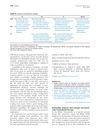
March 2015 in “Journal of The American Academy of Dermatology”
21 citations
,
March 2015 in “Journal of The American Academy of Dermatology” Vemurafenib therapy can cause hair loss, but clobetasol propionate foam can help regrow hair.
505 citations
,
October 2011 in “Journal of clinical oncology” MK-2206 was safe and effectively blocked AKT signaling in cancer patients, warranting more trials.
Apraglutide and N-acetylcysteine (NAC) show promise in reducing cytarabine's harmful effects on organs.
March 2026 in “Journal of Enzyme Inhibition and Medicinal Chemistry” PROTACs show promise in cancer treatment by effectively degrading specific harmful proteins.
May 2026 in “Bioorganic Chemistry”