January 2026 in “Advanced Healthcare Materials” The new bioreactor improves skin grafts by evenly stretching cells and monitoring conditions for better growth.
January 2020 in “한국공업화학회 연구논문 초록집” Encapsulated hair cells in a special gel can help regenerate hair follicles, potentially treating hair loss.
 2 citations
,
March 2019 in “Plastic and Reconstructive Surgery”
2 citations
,
March 2019 in “Plastic and Reconstructive Surgery” The letter suggests that a modified fat processing technique may increase regenerative cells but calls for more trials to confirm its effectiveness for skin and hair treatments.
 39 citations
,
June 1982 in “The BMJ”
39 citations
,
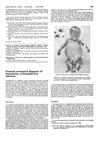
June 1982 in “The BMJ” Blood tests confirmed a baby in the womb had a CMV infection.
34 citations
,
July 2022 in “Gels” Alginate-based composites can be improved to effectively replace donor corneas for regeneration.
52 citations
,
October 2007 in “Molecular Therapy” Injecting lentiviral vectors into early gestation mice effectively targets skin stem cells for potential gene therapy.
April 1987 in “Pediatric Research” 13 citations
,
September 2014 in “BMC Complementary and Alternative Medicine” Tanshinone IIA helps protect skin tissue from low oxygen damage by boosting certain cell markers.
2 citations
,
June 2017 in “ScienceRise” A mask-cream with herbal extracts was successfully developed for treating hair loss.
22 citations
,
September 2022 in “Materials & Design” The particles effectively stop bleeding quickly and reduce blood loss.
 140 citations
,
August 2011 in “Biomaterials”
140 citations
,
August 2011 in “Biomaterials” Keratose, derived from human hair, is a non-toxic biomaterial good for tissue regeneration and integrates well with body tissues.
April 2018 in “Dermatologic Surgery”  December 2023 in “The journal of cell biology/The Journal of cell biology”
 The mTurq2-Col4a1 mouse model shows how the basement membrane develops in live mammals.
 April 2026 in “Research Square”
 E13 fetal mouse fibroblast vesicles may help reduce scarring.
18 citations
,
June 1993 in “Archives of Dermatological Research” Human hair follicles can be used to create skin-like tissue for wound healing and drug testing.
1 citations
,
September 2015 in “Pathology - Research and Practice” Stress during pregnancy can thin fetal skin.
 April 2023 in “Journal of Investigative Dermatology”
 The research mapped gene activity in developing mouse skin and found key markers for skin cell types and changes from fetal to early postnatal stages.
3 citations
,
May 2008 in “Journal of Visualized Experiments” Mouse Epidermal Neural Crest Stem Cells can become various cell types.

A woman had eye pain and vision loss after a hair growth treatment, but her symptoms improved after a month.
 May 2020 in “Research Square (Research Square)”
 Human stem cells can turn into functional eye cells that might help treat retinal diseases.
 57 citations
,
July 2018 in “Scientific Reports”
57 citations
,
July 2018 in “Scientific Reports” Using adipose tissue-derived fragments improves early skin graft success.
 6 citations
,
April 2010 in “Cellular Reprogramming”
6 citations
,
April 2010 in “Cellular Reprogramming” Pig skin cells can turn into mesodermal cells but lose their ability to become neural cells.
 3 citations
,
December 2023 in “Cell proliferation”
3 citations
,
December 2023 in “Cell proliferation” Stuff from umbilical cord stem cells helps skin heal and look younger.
6 citations
,
January 2016 in “Open journal of regenerative medicine” Keratin treatment reduces astrocyte reactivity and inflammation.
 20 citations
,
February 1991 in “The Journal of Dermatologic Surgery and Oncology”
20 citations
,
February 1991 in “The Journal of Dermatologic Surgery and Oncology” Scalp flaps are used for reconstruction, considering factors like inelasticity, hair growth, and blood supply, with techniques adapting to age-related changes in vascularity.
 March 2025 in “Advanced Materials”
 The hydrogel helps heal diabetic wounds quickly and effectively.
26 citations
,
May 2011 in “Tissue Engineering Part A” Hydrogel surface properties affect mouse embryoid body differentiation.
Amotosalen-treated donor T-cells can prevent late CMV infection after bone marrow transplants.
46 citations
,
April 2005 in “Melanoma Research” 1 citations
,
February 2025 in “Journal of Dermatological Science” Rapid thawing increases tissue destruction and tumor growth inhibition.