 1 citations
,
April 2026 in “Cancer Nanotechnology”
1 citations
,
April 2026 in “Cancer Nanotechnology” Nanozymes could improve cancer diagnosis and treatment by mimicking enzymes and enhancing delivery to tumors.
 1 citations
,
November 2023 in “Research Square (Research Square)”
1 citations
,
November 2023 in “Research Square (Research Square)” DiZyme accurately predicts nanozyme activities to aid in discovering new applications.
 1 citations
,
January 2022 in “Research Square (Research Square)”
1 citations
,
January 2022 in “Research Square (Research Square)” CRISPR/Cas9 editing in spinach affects root hair growth by altering specific genes.
 May 2026 in “Research Square”
 The polyG fragment in Hoxc13 protein helps evolve mammalian skin and hair by enhancing gene interactions.
 March 2024 in “Journal of medicinal plants studies”
 Hibiscus has medicinal benefits but can be toxic in high doses and is unsafe for pregnant women and infants.

A thorough diagnostic process and teamwork are crucial for managing complex hyperandrogenism in postmenopausal women.
 March 2021 in “Research Square (Research Square)”
 Strontium ranelate helps cartilage growth by blocking a specific cell pathway.
 December 2013 in “Biomedical and biopharmaceutical research”
 Nanotechnology shows promise for better drug delivery and cancer treatment.
February 2026 in “Advanced Science” TTNPB helps turn stem cells into neural stem cells, improving depression-like behaviors in rats.
 3 citations
,
August 2021 in “Journal of fiber science and technology”
3 citations
,
August 2021 in “Journal of fiber science and technology” Chitin nanofibrils are better at stabilizing oil droplets in emulsions than cellulose nanofibrils.
2 citations
,
August 2020 in “CRC Press eBooks” Tabby mutations in mice affect hair follicle development and help study genetic mapping and certain medical conditions.
7 citations
,
December 1970 in “Biochimica et Biophysica Acta (BBA) - Protein Structure” April 2026 in “SSRN Electronic Journal”  100 citations
,
March 2006 in “Journal of biological chemistry/The Journal of biological chemistry”
100 citations
,
March 2006 in “Journal of biological chemistry/The Journal of biological chemistry” Cystatin M/E strongly inhibits cathepsin V and cathepsin L, important for skin formation.
 April 2026 in “BioNanoScience”
 A new microneedle system may improve hair loss treatment by delivering ketoconazole directly to hair follicles.
 3 citations
,
May 2023 in “International Journal of Molecular Sciences”
3 citations
,
May 2023 in “International Journal of Molecular Sciences” A new treatment using nanoparticles can effectively prevent and reduce hair loss caused by chemotherapy.
 12 citations
,
June 2022 in “FARMACIA”
12 citations
,
June 2022 in “FARMACIA” Transethosomal gels improve naftifine skin delivery better than Exoderil cream.
 August 2022 in “Scholars academic journal of pharmacy”
 Invasomes loaded with clotrimazole gel could improve drug delivery through the skin for fungal treatment.
44 citations
,
May 2023 in “MedComm” PROTAC technology shows promise for cancer treatment but needs more effective E3 ligase recruiters.
 15 citations
,
May 2016 in “Die Pharmazie”
15 citations
,
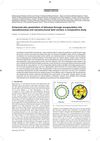
May 2016 in “Die Pharmazie” Nanostructured lipid carriers deliver lidocaine to the skin better than nanoethosomes.
12 citations
,
March 2022 in “Antioxidants” Encapsulated tamarillo polyphenols in cubosomes improve yoghurt's nutrition and stability.
 March 2012 in “Korean Journal of Microscopy”
 Quantum dot nanoparticles can penetrate skin and reach sebocytes through hair follicles.
2 citations
,
September 2023 in “Foods” Microcapsules and effervescent tablets make insect lipids easier to consume.
December 2025 in “Journal of Drug Discovery and Therapeutics” Spanlastics improve drug delivery by enhancing bioavailability and targeting, reducing side effects.
25 citations
,
July 2022 in “Pharmaceutics” Spanlastic nanovesicles can improve efinaconazole delivery through nails.
22 citations
,
November 2008 in “The journal of investigative dermatology/Journal of investigative dermatology” Cystatin M/E helps in the final stages of hair and nail formation by controlling certain enzymes.
 6 citations
,
January 2016 in “Springer eBooks”
6 citations
,
January 2016 in “Springer eBooks” Invasomes effectively deliver drugs through the skin and have potential for improved treatments.
559 citations
,
October 2020 in “Frontiers in Molecular Biosciences” Solid lipid nanoparticles are promising for safe and effective drug delivery but need more research for clinical use.
68 citations
,
January 2020 in “International Journal of Pharmaceutics” Vitamin C-based nanovesicles effectively treat acne.
49 citations
,
February 2025 in “Science Advances” Biomimetic synthetic vesicles could improve precision medicine by combining natural and synthetic benefits.