7 citations
,
March 1986 in “British Veterinary Journal” Canine skin has two main layers: the epidermis and dermis, with a supportive subcutis layer.
May 2023 in “Frontiers in Veterinary Science” Advancements in reproductive technologies for carnivores help conserve species and offer insights into human reproductive issues.
 22 citations
,
February 2010 in “The Veterinary clinics of North America. Small animal practice/Veterinary clinics of North America. Small animal practice”
22 citations
,
February 2010 in “The Veterinary clinics of North America. Small animal practice/Veterinary clinics of North America. Small animal practice” The cause of atypical Cushing's syndrome in dogs, possibly linked to sex hormones, is not yet proven.
July 2000 in “The Pediatric Infectious Disease Journal” Tinea faciei should be considered in neonatal vesicular lesions and confirmed with KOH examination and culture.
4 citations
,
January 2022 in “Actas Dermo-Sifiliográficas” Increased tinea capitis cases in Northwestern Spain may be linked to African immigration.
May 2019 in “Small Animal Dermatology” Effective flea control can resolve hair loss in cats.
 44 citations
,
May 2006 in “The Journal of the American Animal Hospital Association/Journal of the American Animal Hospital Association”
44 citations
,
May 2006 in “The Journal of the American Animal Hospital Association/Journal of the American Animal Hospital Association” Both treatments for pemphigus foliaceus in dogs are effective, but combination therapy has more side effects.
 6 citations
,
January 2013
6 citations
,
January 2013 Hyperadrenocorticism in ferrets is linked to neutering and indoor housing, and is best treated with surgery and a deslorelin implant.
 September 2016 in “Elsevier eBooks”
 Different types of hair loss in dogs and cats have various causes and treatments, with outcomes ranging from good to uncertain.
2 citations
,
January 2022 in “Journal of Veterinary and Animal Sciences” Trichophyton and Microsporum fungi are the main causes of skin infections in dogs in Thrissur, Kerala.
 June 2026 in “International Journal of Advanced Biochemistry Research”
 Non-dermatophyte moulds like Aspergillus and Penicillium can cause skin issues in pets.
 September 2024 in “The Indian Veterinary Journal”
 A Labrador pup with a fungal skin infection was fully cured in four weeks using topical treatments and immune boosters.
10 citations
,
March 2008 in “Journal of Zoo and Wildlife Medicine” A special clotrimazole varnish cured a siamang's persistent skin infection after 3 months.
 April 2019 in “Journal of Medical Science And clinical Research”
 The grey patch variant of tinea capitis is most common, mainly spread through family and animals.
April 2018 in “Blackwell's Five‐Minute Veterinary Consult Clinical Companion” The document provides a guideline to help identify skin conditions in small animals based on lesion characteristics.
 April 2023 in “Clinical theriogenology”
 The dog's skin condition improved after removing a tumor that was causing hormone imbalances.

Tinea capitis in adults often leads to misdiagnosis or delayed diagnosis due to atypical symptoms, requiring careful examination for proper treatment.
Ongoing monitoring and treatment are crucial to manage sarcoptic mange in reintroduced red foxes.
7 citations
,
January 1997 in “International Biodeterioration & Biodegradation” Microsporum canis breaks down animal hair fastest in sheep and foxes, slowest in humans.
28 citations
,
September 2014 in “Journal of Veterinary Internal Medicine” VDC-1101 shows potential as a treatment for canine cutaneous T-cell lymphoma.
June 2018 in “Journal of the American Veterinary Medical Association” Three related Persian cats have a rare, likely hereditary skin condition causing hair loss and poor coat quality, with limited treatment options.
August 2004 in “Veterinary Dermatology” A Brittany spaniel's skin issues from cephalexin improved with treatment, showing drug-induced pemphigus foliaceus.
11 citations
,
July 1991 in “Veterinary Pathology” A dog had a rare skin condition linked to gland and pituitary issues.
 4 citations
,
September 2017 in “Skin appendage disorders”
4 citations
,
September 2017 in “Skin appendage disorders” The dog with an Alopecia Areata-like condition showed signs of an autoimmune disease and partially regrew hair without treatment, suggesting dogs could be models for human AA research.
 May 2025 in “International Journal of Innovations in Science Engineering and Management.”
 Early diagnosis and surgery are crucial for managing cryptorchidism and related hair loss in dogs.
1 citations
,
September 2024 in “Veterinary Medicine and Science” Afoxolaner effectively treats mange in guinea pigs with one dose.
 May 2019 in “Small Animal Dermatology”
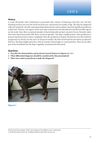
 The dog has Color Dilution Alopecia, causing hair loss and increased risk of skin infections.
September 2025 in “Journal of Veterinary and Animal Sciences” Nine hair follicle tumors were found in dogs.
66 citations
,
February 2002 in “Veterinary dermatology” Malassezia in cat skin biopsies may indicate internal cancer.