March 2025 in “European Journal of Cell Biology” Prostanoids help regulate immune cells, affecting inflammation and cancer.
11 citations
,
February 2023 in “Journal of Investigative Dermatology” Low m6Ascores in melanoma predict better survival and response to immunotherapy.
June 2025 in “British Journal of Dermatology” Dual-targeting therapies like Janus kinase inhibitors may treat both alopecia areata and other immune diseases.
14 citations
,
February 2008 in “Stem Cells and Development” Seven genes are highly expressed in both germ-line and hematopoietic stem cells.
August 2025 in “Dermatology Reports” Melanoma research shifted focus to immunotherapy drugs after 2010, increasing their study and citations.
Four natural compounds were found to promote hair growth effectively.
 2 citations
,
October 2018 in “Springer eBooks”
2 citations
,
October 2018 in “Springer eBooks” Cancer treatments can cause skin-related side effects that may affect patient quality of life and require changes in treatment.
 99 citations
,
July 2017 in “Clinical Reviews in Allergy & Immunology”
99 citations
,
July 2017 in “Clinical Reviews in Allergy & Immunology” New treatments for Alopecia Areata show promise but need to be more effective and affordable.
 40 citations
,
March 2019 in “Nature Communications”
40 citations
,
March 2019 in “Nature Communications” CRAC channels are crucial for the development and function of specialized immune cells, preventing severe inflammation and autoimmune diseases.
 25 citations
,
May 2018 in “Clinical & Translational Oncology”
25 citations
,
May 2018 in “Clinical & Translational Oncology” New melanoma treatments can cause skin side effects, including skin cancer and rashes, but combining treatments may reduce these risks.
 16 citations
,
January 2015 in “Current problems in dermatology”
16 citations
,
January 2015 in “Current problems in dermatology” Alopecia Areata is an autoimmune hair loss condition that needs more research for better treatments.
 12 citations
,
May 2017 in “Pharmacology & therapeutics”
12 citations
,
May 2017 in “Pharmacology & therapeutics” Targeting immune tolerance issues in Alopecia Areata could restore hair growth and maintain remission.
 1 citations
,
January 2014 in “Hair therapy & transplantation”
1 citations
,
January 2014 in “Hair therapy & transplantation” Platelet-rich plasma treatment is not very effective for chronic severe alopecia areata.
JAK inhibitors effectively regrow hair in alopecia areata but hair loss often returns after stopping treatment.
 January 2026 in “International Journal of All Research Education & Scientific Methods”
 Alopecia is caused by various factors, and new treatments like gene editing and regenerative medicine offer hope for personalized hair regrowth solutions.
 January 2024 in “Frontiers in endocrinology”
 The study suggests that hypothyroidism may cause alopecia areata.
 October 2023 in “bioRxiv (Cold Spring Harbor Laboratory)”
 Early regulatory T cells are crucial for normal skin pigmentation.
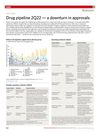 August 2022 in “Nature Biotechnology”
 Drug approvals slowed in 2Q22, but notable drugs like Amvuttra, Camzyos, and Olumiant were approved.
 34 citations
,
January 2018 in “International Journal of Dermatology”
34 citations
,
January 2018 in “International Journal of Dermatology” Scalp cooling is the most effective FDA-approved method to prevent chemotherapy-induced hair loss, but more research is needed for other treatments.
 34 citations
,
October 2011 in “Pathology Research International”
34 citations
,
October 2011 in “Pathology Research International” Behçet's Disease may be caused by genetic and environmental factors leading to abnormal immune responses, and stress management and new treatments could improve patient outcomes.
 26 citations
,
October 2018 in “Clinical & Translational Oncology”
26 citations
,
October 2018 in “Clinical & Translational Oncology” Spanish experts provided guidelines for treating skin side effects in cancer patients on new therapies, stressing early action and teamwork.
 24 citations
,
March 2018 in “Experimental Dermatology”
24 citations
,
March 2018 in “Experimental Dermatology” Treg dysfunction is linked to various autoimmune skin diseases, and understanding Treg properties is key for new treatments.
 5 citations
,
June 2022 in “Frontiers in immunology”
5 citations
,
June 2022 in “Frontiers in immunology” Increasing Treg cells in the skin does not cure hair loss from alopecia areata in mice.
 2 citations
,
November 2020 in “Der Hautarzt”
2 citations
,
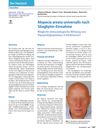
November 2020 in “Der Hautarzt” A patient's hair loss may be linked to their diabetes medication, Sitagliptin.
 June 2026 in “Frontiers in Oncology”
 Ipilimumab can cause various adverse events in elderly patients, especially affecting the gastrointestinal and endocrine systems.
 January 2024 in “Asthma Allergy Immunology”
 Innate lymphoid cells help us understand and manage allergic diseases better.
 January 2012 in “heiDOK (Heidelberg University)”
 Dormant melanoma cells in mice interact minimally with memory T cells due to a suppressive tumor environment.
 38 citations
,
January 2016 in “Cell Death and Disease”
38 citations
,
January 2016 in “Cell Death and Disease” The TCL1 transgenic mouse model is useful for understanding human B-cell leukemia and testing new treatments.
13 citations
,
September 2012 in “Cell & tissue research/Cell and tissue research” pCLCA2 protein may help maintain skin structure and function.
 January 2024 in “bioRxiv (Cold Spring Harbor Laboratory)”
 The gene Ascl4 is not necessary for the development of hair, teeth, or mammary glands.