November 2025 in “The Journal of Immunology” A humanized IL-2 fusion protein boosts T regulatory cells and helps control hair loss in Alopecia Areata.
September 2017 in “The journal of investigative dermatology. Symposium proceedings/The Journal of investigative dermatology symposium proceedings” CCCA and lichen planopilaris have similar histological features, making them hard to distinguish.
 September 2024 in “Portuguese Journal of Dermatology and Venereology”
 CCCA and LPP may be related hair loss conditions influenced by genetics and environment, needing early treatment.
 April 2018 in “Journal of Investigative Dermatology”
 CENPV, a new partner of CYLD, helps regulate ciliary acetylated tubulin and is overexpressed in certain skin tumors.
132 citations
,
August 2008 in “Development” Dlx3 is essential for hair growth and regeneration.
8 citations
,
June 1981 in “Clinica Chimica Acta”  April 2024 in “Indian Journal of Paediatric Dermatology”
 Congenital triangular alopecia and vitiligo can occur together, but treatment for one may not affect the other.
 August 2015 in “Advances in Small Animal Medicine and Surgery”
 Low-level laser therapy may help regrow hair in dogs with non-inflammatory hair loss.
 1 citations
,
January 2021
1 citations
,
January 2021 CD4+ skin cells may be precursors to basal cell carcinoma.
 1 citations
,
October 2023 in “Skin research and technology”
1 citations
,
October 2023 in “Skin research and technology” LC-OCT is an effective new method for diagnosing classic lichen planopilaris.
18 citations
,
February 2023 in “eLife” ILC1-like cells can independently cause alopecia areata.
June 2026 in “American Journal of Dermatopathology” Regulatory T cells play a key role in different types of hair loss.
 November 2022 in “Journal of Investigative Dermatology”
 Dynlt3 is important for melanosome transport and skin coloration.
 3 citations
,
June 2002 in “Transgenic Research”
3 citations
,
June 2002 in “Transgenic Research” Scientists made a mouse that can be made to lose hair and then grow it back.
2 citations
,
June 2024 in “Skin Research and Technology” Low-level laser therapy can boost hair growth and speed up wound healing.
253 citations
,
April 2009 in “Journal of Biological Chemistry” p2y5, now called LPA6, is a receptor important for human hair growth.
7 citations
,
August 2008 in “Immunogenetics” A gene mutation in mice causes increased mast cells and disorganized hair follicles in their skin.
91 citations
,
December 2019 in “The EMBO Journal” NEDD4 and NEDD4L help control intestinal stem cells and prevent tumors by breaking down the LGR5 receptor.

A new syndrome, Teelwani Syndrome, combines features of two rare genetic disorders.
April 2023 in “Journal of Investigative Dermatology” Increased TEMRA cells can predict treatment outcomes in rapidly progressive alopecia areata.
56 citations
,
March 2017 in “Plant and Cell Physiology” Light sheet fluorescence microscopy effectively measures calcium changes in Arabidopsis root hairs.
 3 citations
,
September 2015 in “Journal of Vascular Surgery”
3 citations
,
September 2015 in “Journal of Vascular Surgery” Chemical lumbar sympathectomy is an effective and safe treatment for idiopathic livedo reticularis.

Skin tumor cells in patients with tuberous sclerosis have higher levels of a protein called cathepsin B.
 April 2012 in “Informa Healthcare eBooks”
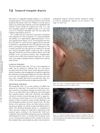
 Temporal triangular alopecia is a lifelong condition with hairless patches on the side of the head that may be present from birth.
12 citations
,
August 2007 in “Human Molecular Genetics” Lymphotoxin-β is crucial for proper skin development in embryos.
March 2026 in “Adipocyte” Spt4 and Spt6 are essential for fat cell development.
 107 citations
,
December 2003 in “Dermatologic Therapy”
107 citations
,
December 2003 in “Dermatologic Therapy” Interferon, especially alfa interferon, is an effective treatment for cutaneous T-cell lymphoma with manageable side effects.
35 citations
,
August 2009 in “Differentiation” Desmoglein 4 is controlled by specific proteins that affect hair growth.
 April 2023 in “The journal of investigative dermatology/Journal of investigative dermatology”
 Folliculotropic mycosis fungoides has unique molecular features and cell interactions that could guide targeted therapy.
33 citations
,
October 2006 in “European Journal of Immunology” The CD44-CD49d complex boosts T cell activation and survival in autoimmune disease.