 1 citations
,
April 2025 in “International Journal for Research in Applied Science and Engineering Technology”
1 citations
,
April 2025 in “International Journal for Research in Applied Science and Engineering Technology” Herbal face packs are a safe and effective alternative to synthetic skincare products.
 1 citations
,
November 2022 in “Research Society and Development”
1 citations
,
November 2022 in “Research Society and Development” Medicinal plants can treat hair disorders by fighting fungi and improving hair health.
 1 citations
,
January 2013 in “Springer eBooks”
1 citations
,
January 2013 in “Springer eBooks” Cosmeceuticals may benefit skin health but need more research for efficacy and safety confirmation.
 May 2026 in “International Journal of Drug Delivery Technology”
 Nanotechnology improves the effectiveness of medicinal plant compounds in drug delivery.
 February 2026 in “Frontiers in Materials”
 Iron-curcumin nanoparticles help heal diabetic wounds faster by reducing inflammation and promoting tissue repair.
 October 2025 in “International Journal For Multidisciplinary Research”
 Traditional healers in Raichur use 69 plants to treat various ailments, highlighting the need to preserve this knowledge.
 August 2025 in “Frontiers in Pharmacology”
 [6]-Gingerdiol 3-monoacetate shows promise for treating T. whipplei infections.
 July 2025 in “Journal of Pharmacognosy and Phytochemistry”
 Plant-based therapies, like Aloe Vera and Cinnamon, may help manage PCOS symptoms with fewer side effects.
 July 2025 in “International Journal of Pharmacy and Pharmaceutical Science”
 Herbal medicine may help treat breast cancer and improve quality of life.
 April 2025 in “International Journal for Research in Applied Science and Engineering Technology”
 Herbal face packs can safely and effectively replace chemical skincare products.
 December 2024 in “International Journal of Research in Ayurveda and Pharmacy”
 Sowbhagya Chundi Legiyam helps postpartum women recover and prevent infections.
 October 2024 in “International Journal of Research in Ayurveda and Pharmacy”
 Jeemuta Bhringadi Taila may help reduce hair loss and promote regrowth.
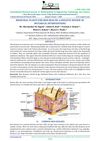 March 2024 in “International Research Journal Of Modernization In Engineering Technology And Science”
 Certain plants like Aloe vera and Neem are effective and safe for treating various skin conditions.
 March 2024 in “Bioimpacts”
 400 nm particles penetrate hair follicles best, but mouse models aren't fully reliable for human studies.
 December 2023 in “Research in pharmacy”
 Phytotherapeutic compounds and supplements can help manage Polycystic Ovarian Syndrome (PCOS).
 July 2021 in “International Journal of Research in Ayurveda and Pharmacy”
 Natural plant compounds may offer safer COVID-19 treatments with fewer side effects.

The workshop promoted better medicine use and health practices through global collaboration.

The workshop successfully promoted better medicine use and international collaboration.
 January 2020 in “Nasza Dermatologia Online”
 A mixture of Dijon mustard, turmeric powder, and linseed oil can effectively treat alopecia barbae.
 April 2016 in “The journal of investigative dermatology/Journal of investigative dermatology”
 The back of the scalp has more nerve fibers than the front, which may explain why some people feel more sensitivity there.
 April 2016 in “The journal of investigative dermatology/Journal of investigative dermatology”
 BMP signaling controls hair growth and skin color.
 January 2012 in “Elsevier eBooks”
 New treatments for skin and hair repair show promise, but further improvements are needed.
17 citations
,
September 2024 in “Molecules” Turmeric essential oil compounds have potential as safe, effective drugs.
 August 2025 in “ACS Omega”
 New compounds show promise as nonsteroidal treatments for hair loss.
37 citations
,
December 2020 in “Molecules” A new delivery system makes Curcumin more effective and safer against viruses.
 April 2026 in “Biomolecules”
 Curcumin-based polyurethanes with more PEG improve curcumin release and maintain strong antioxidant and antibacterial properties.
 April 2024 in “MGM Journal of Medical Sciences”
 Traditional Indian home remedies are effective and culturally important.
4 citations
,
January 2019 in “Evidence-based Complementary and Alternative Medicine” Yangyin Qingre Huoxue Prescription may help treat atherosclerosis with fewer liver side effects than simvastatin.
92 citations
,
December 2020 in “Brain Sciences” Indian herbs like Bacopa monnieri and Centella asiatica may help memory, but more research is needed.
46 citations
,
April 2021 in “International Journal of Molecular Sciences” Curcumin shows promise in reducing pain and inflammation, but more research is needed.