 60 citations
,
April 2018 in “Clinical, cosmetic and investigational dermatology”
60 citations
,
April 2018 in “Clinical, cosmetic and investigational dermatology” Tight hairstyles and chemical relaxers can cause hair loss known as traction alopecia.
2 citations
,
June 2010 in “Medicina de Familia SEMERGEN” The girl's "dandruff" was actually harmless hair casts, not a hygiene issue.
October 2025 in “International Journal of Cosmetic Science” Shiny, straight hair is seen as more youthful, healthy, and attractive.
November 2024 in “Biophysical Chemistry” Hair structure changes immediately during perm treatment, with initial damage partially restored later.
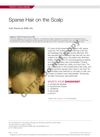
A 5-year-old girl has sparse, dry, and brittle hair but is otherwise healthy.
1 citations
,
January 2022 in “Clinical Cases in Dermatology” A woman with CCCA has hair loss due to factors like straighteners and tight hairstyles, and treatments include steroids and avoiding certain hair products.
December 2021 in “2021 International Conference on Electronic Information Technology and Smart Agriculture (ICEITSA)” Chemical dyes damage hair's internal structure more than perming, as shown by a special imaging technique.
 10 citations
,
November 1997 in “British Journal of Dermatology”
10 citations
,
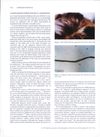
November 1997 in “British Journal of Dermatology” A 10-year-old boy had the earliest reported case of hair that became progressively kinkier but eventually returned to normal on its own.

The test product improved hair strength, shine, volume, and reduced frizz compared to no improvements in the control group.
2 citations
,
May 2020 in “Journal of the American Academy of Dermatology” Hair shaft changes may be linked to CCCA, but their role is unclear.
January 2026 in “Health Science Reports” Personalized hair care can help manage hair-focused repetitive behaviors.
January 2019 in “Durham e-Theses (Durham University)” Less stiff collagen promotes higher cell growth in hair follicles.
 February 2026 in “Journal of the Korean Society of Cosmetology”
 Silicone oil viscosity affects hair curling and damage during treatments.
 7 citations
,
March 2019 in “Journal of cosmetic dermatology”
7 citations
,
March 2019 in “Journal of cosmetic dermatology” African hair has the most lipids, while Caucasian hair is more hydrated and stronger.
2 citations
,
April 2019 in “Experimental Dermatology” Hair follicles respond differently to pulling forces in various regions.
2 citations
,
January 2016 in “Springer briefs in molecular science” Using natural sources as hair conditioners can help restore shine and softness to damaged hair.
 January 2019 in “Pediatric Oncall”
 Sodium valproate can rarely cause curly hair in children.
 17 citations
,
January 2015 in “Current problems in dermatology”
17 citations
,
January 2015 in “Current problems in dermatology” Understanding and treating hair disorders in different ethnic groups requires knowledge of specific hair care practices and hair characteristics.
January 2022 in “Mammalian Genome” The wavy coat in NCT mice is caused by multiple genes, including a mutation in the Prss53 gene.
June 2008 in “Springer eBooks” 14 citations
,
November 1979 in “Pediatric Research” October 2024 in “Cosmetics” ATG effectively reduces hair frizz without damaging hair strength.
September 2022 in “World Journal of Advanced Research and Reviews” Adjust the Airtouch technique based on hair density for best coloring results.
1 citations
,
September 2003 in “CRC Press eBooks” Hair is important for social and sexual communication in humans.
September 1972 in “大会学術講演梗概集. 構造系” The document explains common hair disorders and the basics of hair anatomy and life cycle.
December 2022 in “The Turkish Journal of Pediatrics” Hair examination helps diagnose rare neurological diseases in children.
 May 2024 in “International Journal of Cosmetic Science”
 Disulfide bonds are crucial for hair's strength, especially when wet.
5 citations
,
January 1992 Silicones in shampoos make hair smoother, easier to manage, and reduce friction.
17 citations
,
May 2018 in “BMC genomics” Researchers found genes and microRNAs that control curly fleece in Chinese Tan sheep.