 January 2024 in “Uttar Pradesh journal of zoology”
 Chemical treatments severely damage hair cuticles, especially in previously treated hair.
 75 citations
,
November 1965 in “Textile research journal”
75 citations
,
November 1965 in “Textile research journal” Papain and bisulfite break down human hair by dissolving parts of it.
Hair fibers degrade and change color in very basic water.
30 citations
,
April 2009 in “Mycoses” Microsporum gypseum fungus breaks down keratin in hair by digesting it enzymatically, starting with less keratinized parts.
 23 citations
,
August 2019 in “Proceedings of the National Academy of Sciences of the United States of America”
23 citations
,
August 2019 in “Proceedings of the National Academy of Sciences of the United States of America” Pollution exposure speeds up hair damage.
 3 citations
,
January 2007 in “Journal of health science”
3 citations
,
January 2007 in “Journal of health science” The enzymatic method can effectively identify chemical treatments on hair.
August 2025 in “Applied Sciences” Peroxide-rich plasma-activated water is gentler on hair than nitrate-rich formulations.
30 citations
,
September 2018 in “International Journal of Cosmetic Science” Bleaching hair causes severe structural and chemical damage, including protein loss and oxidation.
29 citations
,
August 2011 in “PubMed” Polymeric pretreatments can significantly reduce hair breakage and damage from hot flat irons.
 13 citations
,
March 2006 in “International Journal of Cosmetic Science”
13 citations
,
March 2006 in “International Journal of Cosmetic Science” The study found that a polymer treatment changes the charge on hair surfaces, making bleached hair smoother and less porous.
 May 2026 in “Journal of Health Sciences and Medicine”
 Biotinoyl tripeptide-1 nanoparticles effectively protect hair from heat damage.
 15 citations
,
August 2015 in “Scanning”
15 citations
,
August 2015 in “Scanning” Corkscrew and cigarette-ash-shaped hairs in tinea capitis are caused by internal hair degradation and external resistance.
December 2025 in “Biopolymers” Heat worsens damage in chemically treated hair, especially bleached and straightened hair.
January 2014 in “한국미용학회지” UV-A radiation significantly damages semi-permanent dyed hair.
 13 citations
,
March 2019 in “Journal of cosmetic dermatology”
13 citations
,
March 2019 in “Journal of cosmetic dermatology” Heat damages hair, with Asian hair losing more protein than Caucasian hair.
January 1996 in “대한피부과학회지” Wait at least 8 weeks between hair dyeing for cuticle recovery.
24 citations
,
October 2008 in “PubMed” Excessive sun exposure damages hair, causing protein loss and color changes.
 12 citations
,
July 2016 in “Forensic science international”
12 citations
,
July 2016 in “Forensic science international” The research found that postmortem root bands in hair are likely caused by the breakdown of a specific part of the hair's inner structure after death.
 8 citations
,
January 2009 in “Transactions of the Materials Research Society of Japan”
8 citations
,
January 2009 in “Transactions of the Materials Research Society of Japan” Water-soluble wool keratin can protect human hair from damage during treatments.
2 citations
,
March 2018 in “ACS Sustainable Chemistry & Engineering” Heating human hair creates hollow microtubes with smooth surfaces.
May 2026 in “International Journal of Health Management Review” Alkaline substances can severely damage hair and scalp health.
May 2026 in “Journal of Photochemistry and Photobiology” Solar radiation and pollution damage hair, especially light-colored and bleached hair.
 8 citations
,
March 2018 in “Cosmetics”
8 citations
,
March 2018 in “Cosmetics” UV radiation damages hair by creating holes and peeling cuticle layers.
Acidic sandy clay damages archaeological hair the most, while dry conditions preserve but make it brittle; silicone oil can help keep the hair flexible.
 March 2026 in “DergiPark (Istanbul University)”
 Biotinoyl tripeptide-1 nanoparticles protect hair from heat damage.
 52 citations
,
August 1978 in “Journal of Applied Polymer Science”
52 citations
,
August 1978 in “Journal of Applied Polymer Science” Human hair's ability to get wet is complex and can change with treatments, damage, and environment.
25 citations
,
May 2019 in “Cosmetics” 18-MEA and cationic surfactants can restore and maintain hair's hydrophobic nature, improving its beauty and feel.
 September 2023 in “Asian journal of beauty & cosmetology”
 Lipids are important for healthy hair, but their exact role is not fully understood and needs more research.
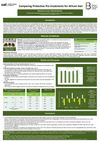 September 2019 in “University of the Arts London Research Online (University of the Arts London)”
 Plant oils and polymers can help protect African hair from damage during styling.
5 citations
,
October 2002 in “PubMed” Human hair keratin scaffolds help repair injured muscles by breaking down and activating muscle cell growth.