3 citations
,
March 2009 in “Hirosaki University Repository for Academic Resources (Hirosaki University)” Hirosaki hairless rats have sparse, twisted hair due to missing hair keratin genes.
January 2008 in “Medical Entomology and Zoology” 4 citations
,
August 2016 in “PubMed” Repeated dyeing and shampooing cause hair color loss and damage.
 April 2018 in “bioRxiv (Cold Spring Harbor Laboratory)”
 A gene variant causes patched hair loss in mice, similar to alopecia areata in humans.
November 2022 in “International journal of trichology” Glyoxylic acid straighteners cause more protein loss but have similar hair strength effects as traditional alkaline straighteners.
18 citations
,
March 2009 in “Skin pharmacology and physiology” Sunlight damages hair, causing cuticle loss, protein changes, and discoloration.
 4 citations
,
January 2017 in “Annals of Dermatology”
4 citations
,
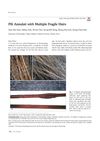
January 2017 in “Annals of Dermatology” Frequent hairdryer use may worsen hair fragility in people with Pili Annulati.
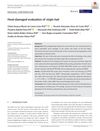
January 2025 in “Science World Journal” Male and female scalp hair differ in size, density, length, curliness, pigmentation, and cuticle preservation.
 13 citations
,
March 2019 in “Journal of cosmetic dermatology”
13 citations
,
March 2019 in “Journal of cosmetic dermatology” Heat damages hair, with Asian hair losing more protein than Caucasian hair.
2 citations
,
June 2018 in “Cosmetics” AMPD is a better and less damaging alternative to ammonium hydroxide for hair bleaching.
 42 citations
,
July 2015 in “Cosmetics”
42 citations
,
July 2015 in “Cosmetics” Nanotechnology improves hair care products by enhancing ingredient stability, targeting treatment, and reducing side effects, but more research on its toxicity is needed.
30 citations
,
September 2018 in “International Journal of Cosmetic Science” Bleaching hair causes severe structural and chemical damage, including protein loss and oxidation.
15 citations
,
June 2019 in “JEADV. Journal of the European Academy of Dermatology and Venereology/Journal of the European Academy of Dermatology and Venereology” Chemical and physical treatments like bleaching, dyeing, and UV radiation damage both Caucasian and Afro-ethnic hair.
 14 citations
,
October 2019 in “Journal of Cellular Physiology”
14 citations
,
October 2019 in “Journal of Cellular Physiology” Micrografts promote hair growth in androgenetic alopecia treatment.
 January 2026 in “Journal of Materials Chemistry B”
 TA-Ado effectively promotes hair growth and reduces hair loss.
January 2020 in “Indian dermatology online journal” Hair styling products can damage hair over time.
 May 2024 in “International Journal For Multidisciplinary Research”
 The herbal hair cream helps protect and improve hair health.
93 citations
,
July 2006 in “Journal of Investigative Dermatology” K25, K27, and K28 are found in all inner root sheath layers of hair, while K26 is only in the cuticle.
TGF-β1 and 2 in hair follicles may be linked to hair loss in AGA.
41 citations
,
January 1992 in “Journal of medical genetics” The study found that males with KFSD had severe skin and eye symptoms, while female carriers had milder symptoms.
9 citations
,
October 1995 in “Clinical Dysmorphology” The family has a unique form of ectodermal dysplasia similar to Clouston syndrome but with different hair and skin symptoms.
24 citations
,
October 2008 in “PubMed” Excessive sun exposure damages hair, causing protein loss and color changes.
 9 citations
,
February 2022 in “Nature communications”
9 citations
,
February 2022 in “Nature communications” Rare changes in the KRT82 gene are linked to a higher risk of Alopecia Areata.
73 citations
,
May 2009 in “Proceedings of the National Academy of Sciences” Disrupting the Sox21 gene in mice causes hair loss and regrowth cycles.
 17 citations
,
June 2014 in “Journal of Ultrasound in Medicine”
17 citations
,
June 2014 in “Journal of Ultrasound in Medicine” Abnormal cuticle and hair shaft medulla cause hair loss in androgenetic alopecia; sonography helps diagnose and manage it.
December 2018 in “72° Congresso di Anatomia e Istologia” Micro-grafts improved hair growth in patients with hair loss.
January 2017 in “대한미용학회지” The cuticle layer in hair follicles thickens during keratinization due to incomplete cytosol loss.
April 2007 in “Linchuang pifuke zazhi” TGF-β1 and 2 may play a role in hair loss in AGA.
 1 citations
,
May 2009 in “Annales de Dermatologie et de Vénéréologie”
1 citations
,
May 2009 in “Annales de Dermatologie et de Vénéréologie” Environmental factors like smoking, UV exposure, and poor diet contribute to hair loss and graying, and lifestyle changes can help manage it.
March 1997 in “Medical Molecular Morphology” Zinc deficiency causes early scalp hair damage that recovers slower than skin symptoms.