132 citations
,
February 2002 in “Journal of Biological Chemistry” HOXC13 is crucial for regulating hair keratin genes in hair follicles.
54 citations
,
January 2009 in “Development” β-catenin, Shh, and Bmp signaling control hair follicle development.
22 citations
,
September 2001 in “Journal of Investigative Dermatology” S100A8 and S100A9 proteins help form hair shafts during growth.
10 citations
,
November 2024 in “Animals” More research is needed to improve wool and cashmere quality through genetics.
10 citations
,
August 2021 in “Frontiers in cell and developmental biology” Scientists made structures that look like human hair follicles using stem cells, which could help grow hair without using actual human tissue.
6 citations
,
January 2006 in “Journal of dermatological science” Runx1 helps control the KAP5 gene in human hair follicles.
1 citations
,
February 2016 in “Cell Transplantation” Hair follicles have a more inactive cell cycle than other skin cells, which may help develop targeted therapies for skin diseases and cancer.
January 2026 in “Molecules” A new perming method is less damaging to hair and works as well as traditional methods.
 February 2025 in “Animals”
 Understanding proteins in skin structures like claws and hair is crucial for future research.
 April 2024 in “Histochemistry and cell biology”
 N-acetylcysteine may prevent hair loss caused by chemotherapy.
The white wax scale insect's genome shows that complete metamorphosis evolved earlier than thought and highlights differences in male and female development.
 October 2025 in “Clinical Cosmetic and Investigational Dermatology”
 SP treatment improves hair health and moisture retention better than water treatment.
25 citations
,
January 2019 in “Journal of Pharmacy And Bioallied Sciences” The herbal shampoo is a chemical-free, nourishing product with excellent conditioning, cleansing, and antimicrobial effects.
 1 citations
,
April 2023 in “Biomolecules”
1 citations
,
April 2023 in “Biomolecules” Fermented papaya and mangosteen in hair care products helped prevent hair loss and improve hair thickness.
 5 citations
,
October 1984 in “The BMJ”
5 citations
,
October 1984 in “The BMJ” Up to 50% of scalp hair can be lost before it appears thin, and treatment is only needed for hair loss caused by diseases or deficiencies.
 37 citations
,
October 2014 in “Maturitas”
37 citations
,
October 2014 in “Maturitas” Men's hair loss is caused by hormones and genes, and can be treated with medication and surgery, while graying is due to aging and has no prevention except dyeing.
 21 citations
,
October 2017 in “Journal of Investigative Dermatology”
21 citations
,
October 2017 in “Journal of Investigative Dermatology” The document concludes that understanding dermal papilla cells is key to improving hair regeneration treatments.
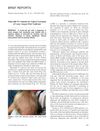 13 citations
,
March 2014 in “Pediatric Dermatology”
13 citations
,
March 2014 in “Pediatric Dermatology” Minoxidil 5% solution significantly improved hair density in a girl with loose anagen hair syndrome over 28 months, with no side effects.
 11 citations
,
April 2016 in “The American Journal of Dermatopathology”
11 citations
,
April 2016 in “The American Journal of Dermatopathology” Special and immunohistochemical stains are not routinely needed for diagnosing hair disorders.
 6 citations
,
November 1996 in “Archives of Dermatology”
6 citations
,
November 1996 in “Archives of Dermatology” G-CSF effectively treated a teenager's cyclic neutropenia and reduced her symptoms without adverse effects.
 2 citations
,
January 2013
2 citations
,
January 2013 Hair can help solve crimes by revealing personal and chemical information.
 1 citations
,
September 2017 in “Journal of Investigative Dermatology”
1 citations
,
September 2017 in “Journal of Investigative Dermatology” Hair care products reduced hair roughness, a combination of Stemoxydine and Resveratrol increased hair density, fermented mackerel oil promoted hair growth, and genes TERT and Bmi-1 helped create new hair follicles.
 March 2024 in “World Journal Of Advanced Research and Reviews”
 Herbal hair oil helps improve hair health and prevent hair problems.
 September 2017 in “Journal of Investigative Dermatology”
 Fermented mackerel oil was found to promote hair growth by activating certain cell signals and increasing cell growth.
 September 2017 in “Journal of Investigative Dermatology”
 Mackerel fermented fish oil protects skin cells from damage by UVB light.
 January 2015 in “Springer eBooks”
 Hair damage shows as fragility, dullness, and discoloration, varies by ethnicity, and is worsened by cosmetic procedures and diseases.
 December 1991 in “Annals of the New York Academy of Sciences”
 Keratin proteins are crucial for hair structure and strength.
 March 2026 in “Scholars Journal of Medical Case Reports”
 Nail issues are common in kids with alopecia areata and should be checked for better diagnosis.
 September 1997 in “Journal of The European Academy of Dermatology and Venereology”
 Topical spironolactone effectively treats hair loss in women.
 18 citations
,
March 2004 in “Clinics in Dermatology”
18 citations
,
March 2004 in “Clinics in Dermatology” Lupus can cause hair loss and nail changes, with treatments available for both.