 September 2025 in “Ukrainian Journal of Dermatology Venerology Cosmetology”
 Early diagnosis and treatment can stop hair loss and prevent scalp damage in pseudopelade of Brocq.
 September 2019 in “The journal of investigative dermatology/Journal of investigative dermatology”
 Mouse skin glands need healthy nerves to grow properly during hair growth phases.
178 citations
,
June 1994 in “Journal of Investigative Dermatology” Alopecia areata in these mice is inherited, more common in young females, and can be treated with triamcinolone acetonide.
Keratinocytes grew and migrated into hair follicle areas but disappeared after 15-20 days.
7 citations
,
August 2008 in “Immunogenetics” A gene mutation in mice causes increased mast cells and disorganized hair follicles in their skin.
January 2011 in “The Chinese Journal of Dermatovenereology” The woman's skin condition improved with specific oral and topical treatments.
2 citations
,
September 2004 in “Experimental Dermatology” Keratinocyte adhesion problems can cause skin and hair disorders.
20 citations
,
July 2005 in “Experimental dermatology” The fuzzy gene is crucial for controlling hair growth cycles.
93 citations
,
May 1990 in “The EMBO Journal” Mice with extra sheep genes had hair that fell out and regrew in cycles.
32 citations
,
May 1986 in “Archives of Dermatology” The condition is likely inherited in an autosomal-dominant pattern.
October 2020 in “Pediatrics in Review” The newborn was diagnosed with a rare skin disorder causing blisters, which requires careful wound care and family support.
 June 2019 in “Pediatric Dermatology”
 Alopecia in patients with epidermolysis bullosa varies in severity and is often caused by skin blistering or trauma.
 2 citations
,
March 1977 in “Journal of animal science/Journal of animal science ... and ASAS reference compendium”
2 citations
,
March 1977 in “Journal of animal science/Journal of animal science ... and ASAS reference compendium” Defective mink guard hairs have split tips and missing cuticle cells, causing a metallic sheen.
 January 2021 in “Veterinary research forum”
 A Holstein calf in Iran with a severe genetic skin disorder was euthanized due to incurable symptoms.
 21 citations
,
April 1982 in “Genetics Research”
21 citations
,
April 1982 in “Genetics Research” Mice with the naked gene have missing or abnormal hair cells.
18 citations
,
January 1992 in “Dermatology” A 4-year-old girl has a rare condition causing hairlessness and skin bumps, but normal teeth and sweating.
 February 2024 in “Acta dermato-venereologica”
 This type of hair loss is probably often missed and treatments reducing inflammation might work well.
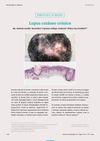 January 2024 in “Revista Dermatológica Centro Uraga”
 The patient has Chronic Cutaneous Lupus, a skin condition causing plaques and hair loss.
8 citations
,
February 1968 in “Australian Journal of Zoology” The southern elephant seal's skin layer helps waterproof the skin by being tightly connected to hair shafts.
 23 citations
,
October 2021 in “Cell Stem Cell”
23 citations
,
October 2021 in “Cell Stem Cell” Hair thinning causes stem cell loss through a process involving Piezo1, calcium, and TNF-α.
June 2011 in “European Journal of Pediatric Dermatology” An 11-year-old girl with hair thinning was diagnosed with monilethrix and early androgenetic alopecia.
 February 2023 in “Cosmoderma”
 An infant with complete hair loss was diagnosed with a genetic disorder affecting hair growth.
8 citations
,
June 2016 in “Journal of Investigative Dermatology” A rare genetic deletion in the KRT1 gene causes unique skin symptoms in a family.
 147 citations
,
September 2006 in “Developmental Cell”
147 citations
,
September 2006 in “Developmental Cell” Too much Smad7 changes skin and hair development by breaking down a protein called β-catenin, leading to more oil glands and fewer hair follicles.
12 citations
,
July 2004 in “Molecular genetics and genomics” A new mouse mutation causes skin and hair defects due to a gene change.
 8 citations
,
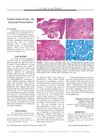
September 2016 in “The American Journal of Dermatopathology”
8 citations
,
September 2016 in “The American Journal of Dermatopathology” Enlarged sweat gland ducts may indicate scarring hair loss.
50 citations
,
September 1997 in “Developmental Biology” 8 citations
,
January 2014 in “Indian Dermatology Online Journal” Trichostasis spinulosa is a common but often unnoticed skin condition involving bundled vellus hairs, especially in people with darker skin or UV exposure.
30 citations
,
January 1994 in “Micron” Mature hair surfaces are formed by keratinized cells with developed layers, not just modified plasma membranes.
 3 citations
,
September 2005 in “Experimental dermatology”
3 citations
,
September 2005 in “Experimental dermatology” The cornified envelope is crucial for skin's barrier function and involves key proteins and genetic factors.