Search
for
Sort by
Research
270-300 / 1000+ resultsresearch Intradermal Delivery of Calcium Hydroxylapatite With Fractionated Ablation
Calcium hydroxylapatite can be successfully integrated into healing skin and stimulates collagen.
research Dermoscopic and Histopathological Correlation in Cicatricial Alopecias: Unveiling Diagnostic and Therapeutic Insights
Trichoscopy effectively diagnoses and monitors cicatricial alopecias, reducing the need for biopsies.
research Central centrifugal cicatricial alopecia amalgamated with alopecia areata: immunologic findings
The patient with both scarring and non-scarring hair loss showed complex immune reactions and improved with steroid treatment.
research Anti‐keratin Monoclonal Antibody against Basal Cell Epithelioma Keratin: BKN‐1
BKN-1 antibody targets specific keratin in basal cell epithelioma and normal skin basal cells.
research PCA: A tFNA-based targeted nucleic acid nanocomposite hydrogel for the treatment of androgenetic alopecia through the promotion of angiogenesis and hair follicle stem cell proliferation
PCA hydrogel promotes hair growth by enhancing blood vessel formation and hair follicle stem cell activity.
research Biophysical basis of skin cancer margin assessment using Raman spectroscopy
Raman spectroscopy could effectively guide skin cancer surgery by identifying tumor margins.
research Sequential small-molecule therapy for lymphocytic cicatricial alopecia: A multicenter prospective cohort pilot study
The treatment significantly improved lymphocytic cicatricial alopecia symptoms in most patients.
research Selection criteria and techniques for improved cosmesis and predictable outcomes in laser hair removal treatment of acne keloidalis nuchae
Laser hair removal can help treat acne keloidalis nuchae, but results vary and a standard scoring system is needed.
research Oculoplastic Surgery Atlas. Eyelid Disorders: . Eds Geoffrey J Gladstone, Evan H Black, Shoib Myint, Brian G Brazzo. Pp 130; pound66.50. Heidelberg: Springer-Verlag, 2001. ISBN 0-387-95316-7.
Surgical excision is the best treatment for SCC, but intralesional cidofovir might be a viable alternative.
research Short-Term Efficacy of Autologous Cellular Micrografts in Male and Female Androgenetic Alopecia: A Retrospective Cohort Study
Autologous cellular micrografts improve hair density and thickness in the short term for androgenetic alopecia.
research Rapidly growing hand nodule
A 69-year-old woman has a fast-growing hand lesion that didn't improve with salicylic acid.
research Ciliary Madarosis Secondary to Intra-Arterial Chemotherapy for Retinoblastoma Treatment
Eyelash loss can temporarily occur from chemotherapy for retinoblastoma.

research Efficacy of Trichloroacetic Acid in Patients with Alopecia Areata: A Clinico-Histopathological Study
Trichloroacetic acid is a safe and effective treatment for hair loss in alopecia areata patients.

research Intralesional triamcinolone acetonide for alopecia areata: does dilution matter?
The best concentration of triamcinolone acetonide for treating alopecia areata is still unclear.
research CD8+ mycosis fungoides clinically masquerading as alopecia areata
Scalp biopsies are crucial for diagnosing hair loss causes in cutaneous lymphoma patients.
research Activation of Astrocytes <i>in Vitro</i> by Macrophages Polarized with Keratin Biomaterial Treatment
Keratin treatment reduces astrocyte reactivity and inflammation.
research Visual imaging of calcium ion distribution in acetone and tape stripping damaged canine epidermis.
The method visualized calcium ions in damaged canine skin, showing potential for studying skin recovery.
research Treatment Outcomes of Triamcinolone Acetonide Compared with Cryotherapy in Alopecia Areata: Evidence from a Systematic Review and Meta-Analysis
Triamcinolone acetonide is more effective than cryotherapy for hair regrowth in alopecia areata but has different side effects.
research Patch test positive results in patients with biopsy‐proven central centrifugal cicatricial alopecia
Allergens might contribute to CCCA, so avoiding them could help manage the condition.

research 604 Comparison of 1064-nm Nd:YAG picosecond lasers using fractional micro-lens array vs. ablative fractional 2940-nm Er:YAG lasers for the treatment of atrophic acne scar in Asians: A 20-week prospective, randomized, split-face, controlled trial
Both laser treatments improved acne scars similarly, but the Nd:YAG laser was safer and less painful, while the Er:YAG laser left patients slightly more satisfied.
research A study of serial vertical sectioning of scalp biopsies to increase the histological diagnostic yield in alopecias
Cutting scalp biopsies in consecutive slices improves diagnosis of hair loss conditions.
research An Effective and Novel Technique for Hair Control in Craniofacial Surgery
A new method using bands and finger sheaths from gloves to manage hair during surgery is effective, quick, and reduces hair damage.

research The role of the scalp biopsy in the evaluation of alopecia
A scalp biopsy is essential for accurately identifying different types of hair loss.
research Dermoscopic evaluation of therapeutic response to an intralesional corticosteroid in the treatment of alopecia areata
Intralesional triamcinolone acetonide is effective for treating patchy hair loss, and dermoscopy helps detect treatment response and side effects early.
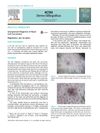
research Unexpected Diagnosis of Basal Cell Carcinoma
A young man was unexpectedly diagnosed with basal cell carcinoma after a scalp examination and confocal microscopy.
research Raman spectroscopy reveals biophysical markers in skin cancer surgical margins
Raman spectroscopy can help identify cancerous skin tissue during surgery.
research Synthetic Hair Implantation and Squamous Cell Carcinoma of the Scalp
The letter argues that blaming synthetic hair implants for scalp cancer based on one report is biased and possibly coincidental.

research Successfully Nonsurgical Epidermoid Cyst Management with Recombinant Hydrolytic Enzymes: A Case Report
Enzyme injections can effectively treat epidermoid cysts without surgery.
research Development and characterization of polymeric nanoparticle-based formulation of adapalene for topical acne therapy
The new adapalene formulation using TyroSpheres is more effective and less irritating for acne treatment.