 153 citations
,
January 2001 in “Science”
153 citations
,
January 2001 in “Science” Using CDK inhibitors on rats showed a reduction in chemotherapy-caused hair loss, but later experiments could not repeat these results.
 March 2005 in “Journal of The American Academy of Dermatology”
 Diphencyprone treatment protocols could be simplified as no harm occurred despite not fully following them.
June 2026 in “British Journal of Dermatology” Photodynamic therapy for actinic keratosis can cause permanent hair loss.
60 citations
,
October 2020 in “Nature Communications” AP-1 and TGFß work together to drive resistance in basal cell carcinoma, suggesting new treatment options.
November 2024 in “Journal of Investigative Dermatology” ATP-sensitive potassium channels are important for hair growth.

Activating certain cells in hair follicles can prevent hair loss caused by cancer treatments.
April 2017 in “Journal of Investigative Dermatology” Certain compounds can protect hair cells from aging and promote growth.
 1 citations
,
April 2017 in “Journal of Investigative Dermatology”
1 citations
,
April 2017 in “Journal of Investigative Dermatology” Topical glucocorticoids thin the skin and change collagen structure.
13 citations
,
April 1982 in “The Journal of Dermatology” Poly(ADP-ribose) synthesis is linked to skin cell differentiation.
 April 2019 in “Journal of Investigative Dermatology”
 Caffeine can protect scalp hair follicles from damage caused by UV radiation.
87 citations
,
January 1996 in “Journal of cellular biochemistry” Over 30 potential cancer prevention treatments are being tested, with some showing promise in early research.

Melatonin may protect hair follicle stem cells from damage caused by chemotherapy.
 19 citations
,
August 2008 in “Journal of The European Academy of Dermatology and Venereology”
19 citations
,
August 2008 in “Journal of The European Academy of Dermatology and Venereology” Bald areas have lower cell growth, more DNA damage, and increased cell death.
 January 2024 in “International Journal of Cosmetic Science”
 A new method using 1,4-n-butylene dimaleate effectively repairs and strengthens damaged hair.
33 citations
,
April 2003 in “Oncogene” 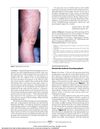 10 citations
,
June 2011 in “Archives of Dermatology”
10 citations
,
June 2011 in “Archives of Dermatology” Finasteride caused blisters on hands and feet.
2 citations
,
May 2006 in “Archives of Pathology & Laboratory Medicine” Early recognition of skin lesions in Birt-Hogg-Dubé syndrome is crucial for detecting renal tumors early.
 5 citations
,
October 2015 in “The American journal of pathology”
5 citations
,
October 2015 in “The American journal of pathology” Mice with a mutated Dsg3 gene showed severe symptoms but not the typical blistering of pemphigus vulgaris.
5 citations
,
September 2018 in “International journal of genomics” Genetic mutations that disrupt homocysteine breakdown lead to increased damage in mouse hair keratin.
1 citations
,
July 2016 in “Dermatologic surgery” August 2018 in “Zenodo (CERN European Organization for Nuclear Research)” Catalase in processed meats may increase cancer risk due to electromagnetic emissions.
 March 1998 in “Journal of dermatological science”
 Diphencyprone initially increases mouse hair growth, then slows it, possibly due to changes in specific protein levels.
 August 2015 in “International Journal of Genetics and Molecular Biology”
 Certain genetic markers may increase or decrease prostate cancer risk.
11 citations
,
October 2005 in “Toxicological Sciences” Cigarette smoke condensates increase tumor-promoting markers in mouse skin, especially around hair follicles.
86 citations
,
November 2015 in “Journal of Gastroenterology” The NUDT15 R139C variant causes thiopurine-induced leukocytopenia through a different mechanism than previously thought in Japanese patients with inflammatory bowel disease.
September 2017 in “The journal of investigative dermatology/Journal of investigative dermatology” Higher SPF sunscreens provide more DNA protection, and the form of sunscreen doesn't affect protection level.

Lysine carboxymethyl cysteinate (LCC) protects skin from UVB damage by activating autophagy.
September 2006 in “Experimental Dermatology” Targeting multiple pathways and understanding genetic mutations are crucial for effective melanoma therapy.
 June 2024 in “Journal of Clinical Oncology”
 Dalpiciclib is the safest and most satisfying CDK4/6 inhibitor for advanced breast cancer patients in China.
 1 citations
,
May 2018 in “International Journal of Molecular Biology Open Access”
1 citations
,
May 2018 in “International Journal of Molecular Biology Open Access” Hydrogen peroxide is a major risk factor for melanoma in swimmers, more than UV light.