11 citations
,
June 2025 in “Polymers” Polysaccharide-based niosomes improve drug delivery and show promise in cancer therapy but face challenges in scalability and stability.
 42 citations
,
July 2014 in “European journal of pharmaceutics and biopharmaceutics”
42 citations
,
July 2014 in “European journal of pharmaceutics and biopharmaceutics” Caffeine nanocrystals for skin products stay stable with the right stabilizer, but grow in size at higher temperatures.

DOPE:DOPC liposomes can improve targeted cancer drug delivery, reducing side effects and increasing effectiveness.
 39 citations
,
September 2016 in “Expert Opinion on Drug Delivery”
39 citations
,
September 2016 in “Expert Opinion on Drug Delivery” New drug delivery methods can make natural compounds more effective and stable.
8 citations
,
November 2019 in “International Journal of Pharmaceutics” The method improves acne treatment by enhancing drug delivery and reducing skin irritation.
 29 citations
,
June 2014 in “Drug delivery”
29 citations
,
June 2014 in “Drug delivery” The new formulation improved the skin absorption of the drug Thiocolchicoside.
5 citations
,
September 2023 in “International Journal of Molecular Sciences” FucoPol hydrogel membranes are promising for delivering drugs on the skin.
April 2016 in “International Journal of Drug Delivery” The ethosomal formulation improved finasteride delivery through the skin.
April 2025 in “Cosmetics” RCDP NCs are promising anti-aging cosmetic ingredients that improve skin health by reducing oxidative stress and enhancing cell function.
August 2024 in “International Journal of Biological Macromolecules” New gels using cellulose nanocrystals effectively deliver minoxidil to hair follicles, promoting hair regrowth.
 26 citations
,
February 2020 in “International Journal of Biological Macromolecules”
26 citations
,
February 2020 in “International Journal of Biological Macromolecules” Chitosan-coated dutasteride nanocapsules improve hair treatment, and physical stimulation boosts effectiveness.
 15 citations
,
January 2022 in “Journal of Oleo Science”
15 citations
,
January 2022 in “Journal of Oleo Science” Phytosomal nanocarriers can significantly increase the bioavailability of Cuscuta reflexa extract.
1 citations
,
January 2024 in “Journal of Food Processing and Preservation” Encapsulated pumpkin seed protein improves aloe vera drink's taste, antioxidants, and shelf life.
 June 2022 in “Scientific Reports”
 Prevelex, a polyampholyte, can create a cell-repellent coating on microdevices, which can be useful in biomedical applications like hair follicle regeneration.
 December 2025 in “Journal of Pharma Insights and Research.”
 Injectable cryogels can deliver drugs and aid tissue repair with minimal surgery.
67 citations
,
February 2022 in “International Journal of Molecular Sciences” The nanofiber membranes effectively promote wound healing and have strong antibacterial properties.
February 2026 in “Macromolecular Bioscience” Keratin-based hydrogels with calcium are effective for delivering anti-fibrotic drugs.
 37 citations
,
May 2007 in “International Journal of Pharmaceutics”
37 citations
,
May 2007 in “International Journal of Pharmaceutics” PPCM microspheres allow controlled finasteride release over 24 hours.
May 2018 in “Dermatologic Surgery”  61 citations
,
September 2016 in “NPG Asia Materials”
61 citations
,
September 2016 in “NPG Asia Materials” Glycol chitosan hydrogels enable quick, safe 3D cell spheroid formation for various applications.
June 2026 in “ChemistryOpen” Modified nanofibers improve finasteride skin absorption.
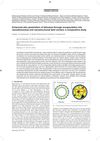 15 citations
,
May 2016 in “Die Pharmazie”
15 citations
,
May 2016 in “Die Pharmazie” Nanostructured lipid carriers deliver lidocaine to the skin better than nanoethosomes.
36 citations
,
August 2020 in “Polymers” The patch delivers more drugs through the skin effectively.
 November 2024 in “Nanomaterials”
 The nanocrystalline suspension effectively delivers dutasteride over time with minimal inflammation.
Self-assembling peptide hydrogels effectively deliver drugs locally, enhancing treatment and reducing side effects.
15 citations
,
June 2023 in “Molecules” Agarose/fucoidan hydrogels may help treat diabetes by supporting pancreatic cell growth.
27 citations
,
September 2015 in “Drug development and industrial pharmacy” Liposomal adapalene improves delivery to hair follicles and reduces side effects for acne treatment.
 January 2025 in “International Journal of Pharmaceutical Research and Applications”
 Hibiscus mucilage is an effective gelling agent for diclofenac diethylamine gel.

A rigid compound with a common structural motif was successfully synthesized.
 June 2023 in “International Journal of Clinical Research and Reports”
 Method B with propylene glycol is better for stable low-concentration DPCP solutions for alopecia areata.