4 citations
,
January 2023 in “Journal of Clinical Investigation” Specific mutations in a receptor cause facial abnormalities and hair loss.
 24 citations
,
January 2019 in “Theranostics”
24 citations
,
January 2019 in “Theranostics” Loss of Pten in certain hair follicle stem cells increases skin cancer risk.
5 citations
,
January 2021 in “Indian Journal of Critical Care Medicine” Testing for the NUDT 15 variant is crucial before starting azathioprine, especially in Asians.
 April 2023 in “Journal of Investigative Dermatology”
 Changing YBX1 protein activity affects skin stem cell function and aging.
11 citations
,
May 2008 in “British journal of dermatology/British journal of dermatology, Supplement” Identical p53 gene mutations in different cancers suggest the need for careful treatment.

BLTP1 and KIF27 gene mutations can help breed better wool sheep.
January 2026 in “Biomolecules” TSC22D genes are key in metabolic diseases and cancer, offering potential as treatment targets.
1 citations
,
July 2021 in “IntechOpen eBooks” Environmental factors can cause mutations in skin proteins, leading to skin disorders.
October 2025 in “Clinical and Experimental Pediatrics” A novel CLDN1 mutation in a 2-month-old with NISCH showed improvement with symptom management.
 1 citations
,
August 2018 in “bioRxiv (Cold Spring Harbor Laboratory)”
1 citations
,
August 2018 in “bioRxiv (Cold Spring Harbor Laboratory)” A new mutation in the TMEM173 gene and a risk allele in IFIH1 cause a unique set of immune-related symptoms.
The curly mutation in SELH/Bc mice affects hair and may help study human genetic disorders.
2 citations
,
May 2024 in “BMC Genomics” Certain genetic changes in the KRT82 gene may cause patchy skin in New Zealand rabbits.
 402 citations
,
August 2011 in “Cancer research”
402 citations
,
August 2011 in “Cancer research” Prostate cancer cells can make their own androgens to activate the androgen receptor, and treatments like abiraterone may increase this ability, suggesting new therapies should target the entire steroid-making pathway.
 April 2023 in “Journal of Investigative Dermatology”
 Cyclosporin A, a drug, reduces TGF-β2 expression in skin cells, potentially causing excessive hair growth through a process involving the calcineurin/NFAT pathway.
 November 2022 in “Gigascience”
 A specific genetic deletion in goats affects cashmere yield and thickness.
 6 citations
,
November 2011 in “Journal of Dermatological Science”
6 citations
,
November 2011 in “Journal of Dermatological Science” A new gene mutation may allow some piebaldism patients to regain skin color in white patches.
19 citations
,
February 2001 in “Journal of paediatrics and child health” A new mutation in the mitochondrial DNA was found in a boy with MELAS, even though his family didn't show typical signs.
70 citations
,
December 2008 in “Cancer Research” CXCR2 in skin cells promotes tumor growth.
May 2009 in “OPAL (Open@LaTrobe) (La Trobe University)” Suppressing the HGPS mutation may improve symptoms and suggest reversibility.
 February 2025 in “Geriatrics and gerontology international/Geriatrics & gerontology international”
 Genetic testing is recommended for young patients showing signs like cataracts and hair changes to diagnose Werner syndrome early.
 28 citations
,
November 2018 in “Journal of Cellular and Molecular Medicine”
28 citations
,
November 2018 in “Journal of Cellular and Molecular Medicine” CXXC5 is a protein that controls cell growth and healing processes, and changes in its activity can lead to diseases like cancer and hair loss.
2 citations
,
March 2024 in “Pediatric Dermatology” Two siblings have a rare hair condition caused by a new genetic variant.
MFN2 mutations cause mitochondrial problems, unusual fat distribution, and low leptin despite high body fat.
November 1997 in “Open Archive (Karolinska Institutet)” PTCH gene mutations contribute to basal cell carcinoma development.
2 citations
,
September 1998 in “Der Hautarzt” A gene mutation causes a rare hereditary hair loss, offering potential for new treatments.
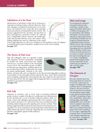 May 2015 in “Journal of Investigative Dermatology”
 Melanoma risk tools need improvement, a gene mutation causes a hair disorder that might be treated by managing cell stress, a potential therapy for a skin-ear disorder involves blocking cell channels, skin wrinkling may indicate lung aging regardless of smoking, and oxidative stress might contribute to common baldness.
3 citations
,
April 2025 in “Science Advances” Loss of Ten1 in mice causes telomere shortening and symptoms similar to human dyskeratosis congenita.
May 2022 in “The journal of investigative dermatology/Journal of investigative dermatology” Loss of TET2 increases the risk of skin and oral cancer.
 10 citations
,
November 2010 in “Journal of Dermatology”
10 citations
,
November 2010 in “Journal of Dermatology” Longer CAG repeats in gene linked to more severe hair loss in females.
March 2026 in “Journal of Investigative Dermatology”