 27 citations
,
March 2018 in “Fertility and Sterility”
27 citations
,
March 2018 in “Fertility and Sterility” Women with PCOS who had antiandrogenic treatment before pregnancy had fewer complications than those without treatment.
 8 citations
,
January 1996 in “Gynecological Endocrinology”
8 citations
,
January 1996 in “Gynecological Endocrinology” Cyproterone acetate is the preferred treatment for women's hyperandrogenism when estrogen/progestogen use is safe.
 7 citations
,
September 2017 in “Pharmacoepidemiology and Drug Safety”
7 citations
,
September 2017 in “Pharmacoepidemiology and Drug Safety” The use of Diane-35 and its generics significantly decreased in the Netherlands.
 3 citations
,
January 2018 in “Reproduction, Fertility and Development”
3 citations
,
January 2018 in “Reproduction, Fertility and Development” Birth control pills increase certain receptor activities in female gerbil prostate glands and can lead to prostate changes.
 1 citations
,
August 2012 in “Journal der Deutschen Dermatologischen Gesellschaft”
1 citations
,
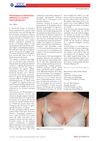
August 2012 in “Journal der Deutschen Dermatologischen Gesellschaft” A woman's hyperandrogenism was caused by a genetic mutation leading to non-classic adrenogenital syndrome.

Cyproterone acetate with ethynyl estradiol significantly improved acne and seborrhea in women, but was less effective for hair loss and excessive hair growth.
 19 citations
,
March 2008 in “Nature clinical practice endocrinology & metabolism”
19 citations
,
March 2008 in “Nature clinical practice endocrinology & metabolism” A combined drug and laser treatment improved hirsutism in a PCOS patient, also enhancing her heart health and requiring regular liver and kidney checks.
 2 citations
,
February 2022 in “Frontiers in Endocrinology”
2 citations
,
February 2022 in “Frontiers in Endocrinology” Antiandrogenic pretreatment for women with PCOS does not improve fertility outcomes and delays pregnancy.
 1 citations
,
November 2011 in “Open access journal of contraception”
1 citations
,
November 2011 in “Open access journal of contraception” Birth control pills with low-dose estrogen and antiandrogenic progestins can effectively treat acne.
 117 citations
,
May 2017 in “Human Reproduction Update”
117 citations
,
May 2017 in “Human Reproduction Update” The update highlights that non-classic congenital adrenal hyperplasia is common in women with excess male hormones, requires specific hormone tests for diagnosis, and has various treatment options depending on age and symptoms.
 105 citations
,
January 2009 in “Medicine”
105 citations
,
January 2009 in “Medicine” Hirsutism is more linked to high androgen levels than acne or hair loss, and a mix of hormonal tests is best for diagnosis; certain treatments can reduce symptoms.
 75 citations
,
March 1999 in “Fertility and sterility”
75 citations
,
March 1999 in “Fertility and sterility” Finasteride, CPA, and flutamide are all equally effective in reducing excessive hair growth in women.
74 citations
,
August 2002 in “Clinical Endocrinology” Flutamide and CPA are more effective than finasteride for treating acne in hyperandrogenic women.
 37 citations
,
January 1997 in “Clinics in Dermatology”
37 citations
,
January 1997 in “Clinics in Dermatology” Hair problems are common and distressing for women, but increasing knowledge of treatments offers hope.
7 citations
,
May 1983 in “Geburtshilfe und Frauenheilkunde” Intramuscular cyproterone acetate effectively treats hirsutism and improves skin conditions in women with hyperandrogenism.
 5 citations
,
January 1984 in “Journal of psychosomatic obstetrics and gynecology/Journal of psychosomatic obstetrics and gynaecology”
5 citations
,
January 1984 in “Journal of psychosomatic obstetrics and gynecology/Journal of psychosomatic obstetrics and gynaecology” The treatment reduced hair growth and testosterone in women with excess hair and had some effects on stress responses.
4 citations
,
July 1983 in “Journal of steroid biochemistry/Journal of Steroid Biochemistry” Certain hormones can reduce skin oil and hair growth, potentially helping treat acne and excessive hair in women.
 3 citations
,
July 2011 in “Expert Review of Dermatology”
3 citations
,
July 2011 in “Expert Review of Dermatology” Effective treatments for excessive hair growth in women include creams, laser therapy, and medications, with the choice depending on individual needs and potential side effects.
 October 2025 in “Minerva Obstetrics and Gynecology”
 Choosing the right estroprogestin is crucial for effectively managing PCOS symptoms.
 July 2015 in “Cambridge University Press eBooks”
 Androgens like testosterone affect skin health and can lead to conditions such as acne and hair loss, with various treatments available.
7 citations
,
May 2014 in “Iranian Red Crescent medical journal” Laser hair removal is effective for hirsutism when combined with treatment for the underlying causes.
 October 2021 in “Meditsinskiy sovet = Medical Council”
 Cyproterone acetate improves skin symptoms and quality of life in women with androgen-related issues.
 108 citations
,
January 2003 in “Fertility and Sterility”
108 citations
,
January 2003 in “Fertility and Sterility” Flutamide may slightly improve hair loss in women, but finasteride does not work.
 49 citations
,
September 1986 in “British Journal of Dermatology”
49 citations
,
September 1986 in “British Journal of Dermatology” Hidradenitis suppurativa improves with antiandrogen therapy.
 43 citations
,
July 1984 in “Clinical and Experimental Dermatology”
43 citations
,
July 1984 in “Clinical and Experimental Dermatology” Antiandrogen therapy helped increase hair growth in women with hormonal imbalances related to baldness.
 19 citations
,
January 1997 in “Dermatologic Clinics”
19 citations
,
January 1997 in “Dermatologic Clinics” Most treatments for hair loss in 1997 were not effective for most people, and maintaining hair growth was difficult.
4 citations
,
January 1991 in “Journal of obstetrics and gynaecology” The photographic method accurately measures hair growth and both treatments effectively reduced hair growth in hirsute women.
 3 citations
,
May 2002 in “Therapeutische Umschau”
3 citations
,
May 2002 in “Therapeutische Umschau” The document concluded that cyproterone acetate and minoxidil are effective for female hair loss, and a supportive doctor-patient relationship is important.

Women with PCOS often face menstrual issues, weight gain, and stress, affecting their quality of life.
September 1976 in “PubMed” Hirsutism is excessive male-pattern hair growth mainly caused by ovarian hormones, and severe cases may require costly treatment with side effects.