13 citations
,
March 2010 in “International Journal of Cosmetic Science” Hair coloring increases copper and calcium uptake, damaging hair and reducing shine.
13 citations
,
October 1960 in “Experimental Biology and Medicine” Selenium-75 stays in dog hair for up to 316 days.
 13 citations
,
March 2006 in “International Journal of Cosmetic Science”
13 citations
,
March 2006 in “International Journal of Cosmetic Science” The study found that a polymer treatment changes the charge on hair surfaces, making bleached hair smoother and less porous.
11 citations
,
January 2006 in “Journal of the American Leather Chemists Association” Oxidizing agents break down keratin in wool and hair, causing swelling and increased solubility.
10 citations
,
January 1994 Hair can be straightened using different chemicals, not just strong alkali.
10 citations
,
May 1974 in “American journal of diseases of children” The girl had a rare disorder causing mental and physical symptoms, with weak hair and unclear neurological issues.
9 citations
,
October 1946 in “Experimental biology and medicine” Rats fed soybean oil meal lost hair, but adding inositol, biotin, cystine, or methionine to their diet prevented this and improved growth.
9 citations
,
January 1981 Nucleophilic reagents break down hair keratin, forming more lanthionine and lysinoalanine than in wool.
 8 citations
,
January 2009 in “Transactions of the Materials Research Society of Japan”
8 citations
,
January 2009 in “Transactions of the Materials Research Society of Japan” Water-soluble wool keratin can protect human hair from damage during treatments.
7 citations
,
March 2004 in “Journal of the American Academy of Dermatology” Tiger tail banding and hair abnormalities are reliable indicators for diagnosing trichothiodystrophy.
 7 citations
,
January 2010 in “Animal”
7 citations
,
January 2010 in “Animal” Angora goat hair grows faster and produces more protein than cashmere goat hair, and certain hormones and nutrients positively affect hair growth and protein synthesis.
 6 citations
,
October 2016
6 citations
,
October 2016 Understanding how keratin structures in hair are arranged and interact is key for creating methods to extract and purify them.
6 citations
,
September 2010 in “Pigment Cell & Melanoma Research” We know less about human hair pigmentation than mouse coat color, but pH and cysteine levels are key factors.
5 citations
,
January 1964 in “Naunyn-Schmiedeberg s Archives of Pharmacology” Iodine is absorbed by hair just below the skin surface.
 5 citations
,
January 2017 in “Elsevier eBooks”
5 citations
,
January 2017 in “Elsevier eBooks” The document concludes that cosmetics need biocompatible, eco-friendly ingredients due to aging populations and demand for effective products.
 4 citations
,
May 2020 in “Annals of palliative medicine”
4 citations
,
May 2020 in “Annals of palliative medicine” Plum blossom needle acupuncture with qi-invigorating therapy is more effective for Seborrheic Alopecia than Western medicine.
4 citations
,
January 1976 in “Archives of Dermatological Research” Metabolic disorders can cause hair structure defects and growth issues, but amino acid levels in hair remain normal.
3 citations
,
June 2011 in “Journal of acupuncture and tuina science/Journal of Acupuncture and Tuina Science” Acupuncture is more effective than medication for treating alopecia areata.
 3 citations
,
January 2019 in “International Journal of Trichology”
3 citations
,
January 2019 in “International Journal of Trichology” The balance of thiol-disulfide in women with hair loss is affected but not damaged.
 1 citations
,
January 2009 in “Journal of S C C J”
1 citations
,
January 2009 in “Journal of S C C J” Changing disulfide bonds in human hair affects its melting behavior and thermal stability.
October 2021 in “Digital Library of Theses and Dissertations (Universidade de São Paulo)” The active ingredient improves the strength of damaged hair fibers.
 June 2017 in “University of the Arts London Research Online (University of the Arts London)”
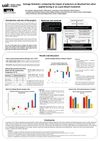
 Polymers help reduce damage and improve bleached hair when used during or after bleaching.
 January 2011 in “Yearbook of Dermatology and Dermatologic Surgery”
 Hair relaxers are linked to reduced cystine levels and potential hair damage.
January 2011 in “대한피부과학회지” A 7-year-old girl was diagnosed with trichothiodystrophy due to low sulfur levels in her hair.
 March 2010 in “International Journal of Cosmetic Science”
 Disulfide bonds affect the melting behavior of hair's crystalline structure, but hair retains some stability even after these bonds are broken.
 January 2007 in “Revista del Centro Dermatológico Pascua”
 A 2-year-old boy was diagnosed with a rare genetic condition causing fragile hair, intellectual issues, and short stature.
Chemical treatments weaken hair's thermal stability and structure.
 January 1991 in “Journal of Society of Cosmetic Chemists of Japan”
 Hair treatments can damage hair by changing its chemical content.
January 2014 in “한국미용학회지” UV-A radiation significantly damages semi-permanent dyed hair.
May 2010 in “International Journal of Cosmetic Science” Mercaptans make hair more prone to damage, with reduced hair being more affected than permed hair.