 January 2025 in “Medical Research Archives”
 Low-level laser therapy can help with inflammation but isn't widely accepted yet.
 September 2024 in “Journal of the Pakistan Medical Association”
 A 589 nm laser increases IL-2 and IFN-y gene expression in human T-cells.
 September 2024 in “Cureus”
 A new method improves platelet testing for heart disease patients.
 September 2024 in “Archives of Medical Science”
 Alopecia areata is linked to immune system differences, with specific biomarkers like CXCL9 and CXCL10 being key for diagnosis and potential treatment targets.

Benign ovarian tumors can cause excess male hormones and related conditions in postmenopausal women.
June 2024 in “Cermin Dunia Kedokteran” Low level laser therapy is effective and safe for various skin and hair conditions.
 May 2024 in “Brazilian Journal of Hair Health”
 Phototherapy with red and blue light can effectively treat hair loss.
 January 2024 in “Biomedical journal of scientific & technical research”
 Vitamins A, B7, C, D, and E are essential for healthy hair growth and preventing damage.
 January 2024 in “International Journal of Pharmacognosy and Pharmaceutical Research”
 Plant molecules like caffeine and ginsenosides can boost hair growth naturally.
 January 2024 in “International Journal of Biochemistry and Molecular Biology”
 Hormone levels can help predict metformin treatment success in women with PCOS.
 December 2023 in “Frontiers in pharmacology”
 Progesterone initially worsens but later reduces neuropathic pain in mice, through different mechanisms.
 October 2023 in “ANNALS OF PAKISTAN MEDICAL & ALLIED PROFESSIONALS”
 Insulin resistance is strongly linked to higher androgen levels in women with PCOS.
 June 2023 in “Livestock studies”
 The article concludes that understanding the molecular processes in hair follicle development can improve the quality of fibers like Angora and cashmere.
 June 2023 in “Research Square (Research Square)”
 Cupric citrate improves growth, nutrient use, and gut health in broilers.
 June 2023 in “Animal Bioscience”
 Vimentin and transthyretin proteins are linked to black coat color in sheep.

Low-dose glucocorticoid treatment improves pregnancy and birth rates in women with nonclassical 21-hydroxylase deficiency.
 June 2022 in “International journal of research and review”
 The article concludes that early diagnosis and lifestyle changes can prevent complications from high uric acid levels.
 January 2022 in “Al-Azhar Medical Journal”
 Higher antigliadin antibody levels are linked to alopecia areata severity.

Human hair keratins can be turned into useful 3D biomedical scaffolds through a freeze-thaw process.

Wild African goats have genetic adaptations for surviving harsh desert conditions.
 November 2020 in “Elsevier eBooks”
 Antiandrogens and androgen inhibitors like spironolactone, finasteride, and dutasteride can treat hair loss and skin conditions, but they have risks and side effects, including potential harm to pregnant women and risks of cancer and heart issues. Herbal remedies also have antiandrogenic effects but lack safety validation.
A man with a rare lung-focused form of hypereosinophilic syndrome improved with steroid treatment.

PlacMA hydrogels from human placenta are versatile and useful for cell culture and tissue engineering.
 March 2018 in “Suez Canal University Medical Journal”
 New drugs targeting the JAK-STAT pathway show promise for treating inflammatory skin diseases.
 January 2018 in “Practical diabetes”
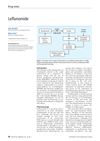
 Leflunomide is effective for rheumatoid arthritis but has significant side effects.
 September 2017 in “Journal of Investigative Dermatology”
 Stabilizing HIF-1A in hair follicles may reduce oxidative stress and promote hair growth by increasing glycolysis.
 September 2017 in “Journal of Investigative Dermatology”
 Thermal imaging is a useful non-invasive method to diagnose active inflammation in frontal fibrosing alopecia.
 September 2017 in “Journal of Investigative Dermatology”
 HIF-1A may aid hair growth, Backhousia citriodora improves skin, autologous cells stabilize hair loss, infrared thermography assesses alopecia, and a new treatment preserves hair.
 September 2017 in “Journal of Investigative Dermatology”
 The new scalp treatment preserves hair color, reduces hair loss, and maintains hair strength.
 July 2017 in “Contemporary Endocrinology”
 The document concludes that patient outcomes for Congenital Adrenal Hyperplasia are often not ideal because of poor management and a need for better diagnosis and treatment methods.