 22 citations
,
June 2004 in “Journal of The European Academy of Dermatology and Venereology”
22 citations
,
June 2004 in “Journal of The European Academy of Dermatology and Venereology” A woman had both Graham Little-Piccardi-Lassueur syndrome, causing hair loss, and complete androgen insensitivity syndrome, making her genetically male but physically female. This suggests androgens don't affect the hair loss condition.
 22 citations
,
January 1985 in “Annals of Internal Medicine”
22 citations
,
January 1985 in “Annals of Internal Medicine” Minoxidil in breast milk may harm nursing infants.
 5 citations
,
April 2011 in “The Lancet”
5 citations
,
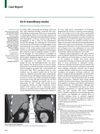
April 2011 in “The Lancet” Untreated congenital adrenal hyperplasia can lead to complications like stroke and needs glucocorticoid treatment.
 1 citations
,
September 2015 in “Serbian Journal of Dermatology and Venereology/Serbian Journal of Dermatology and Venerology”
1 citations
,
September 2015 in “Serbian Journal of Dermatology and Venereology/Serbian Journal of Dermatology and Venerology” A 19-year-old male had two rare skin conditions causing scarring and permanent hair loss.
 May 2026 in “Journal of Health and Allied Sciences NU”
 Optimized culture conditions improve human epidermal stem cell growth for skin regeneration.

Benign ovarian tumors can cause excess male hormones and related conditions in postmenopausal women.

The document provides 70 multiple choice questions to improve haematology skills.

The document tests knowledge and decision-making in hematology through multiple-choice questions.
May 2024 in “The Journal of Immunology” Alopecia Areata can develop without perforin-mediated cytolysis.
1 citations
,
April 2018 in “Journal of Investigative Dermatology” Lower proximal cup cells, not bulge stem cells, regenerate hair follicles after chemotherapy.
 67 citations
,
December 2009 in “Stem Cells”
67 citations
,
December 2009 in “Stem Cells” β-Catenin signaling is involved in brain cell growth after injury and could be a therapy target.
8 citations
,
March 2015 in “Molecular Medicine Reports” Hair dye ingredient PPD causes cell death and aging in human hair cells by altering microRNA levels.
25 citations
,
September 1995 in “Biochemistry and Cell Biology” High levels of human keratin 16 in mice cause skin lesions and abnormal skin development.
22 citations
,
March 1994 in “Journal of Heredity” A mutation in mice causes hair loss and immune problems.
January 2006 in “Chieh P'ou Hsueh Pao” Beta-catenin boosts hair follicle cell growth by increasing c-myc expression.
 April 2023 in “Journal of Investigative Dermatology”
 Defective T cell metabolism can cause early skin aging and poor hair follicle stem cell function.
 32 citations
,
June 2013 in “Journal of Investigative Dermatology”
32 citations
,
June 2013 in “Journal of Investigative Dermatology” Mice without certain skin proteins had abnormal skin and hair development.
5 citations
,
July 1996 in “Journal of Cutaneous Medicine and Surgery” TTD patients don't have a higher skin cancer risk because their main issue is with transcription, not DNA repair.
 April 2024 in “Bioscience trends”
 Higher levels of certain DNAs in blood may indicate hair follicle damage in alopecia areata patients.
46 citations
,
October 2012 in “Seminars in reproductive medicine” Genetic defects in androgen production are linked to male developmental disorders and are improving treatment understanding.
2 citations
,
August 2002 in “British Journal of Ophthalmology” Tangent screens help detect visual field defects from vigabatrin.
6 citations
,
May 2016 in “Experimental Dermatology” The type of tumor suppressor gene lost affects the behavior of skin cancer.
 January 2019 in “Global Dermatology”
 Genetic hair shaft abnormalities can be seen with microscopes and often affect scalp hair.
73 citations
,
May 2009 in “Proceedings of the National Academy of Sciences” Disrupting the Sox21 gene in mice causes hair loss and regrowth cycles.
 26 citations
,
September 1990 in “Ophthalmology”
26 citations
,
September 1990 in “Ophthalmology” The study found no common cause for a girl's crystalline cataract and uncombable hair, suggesting their co-occurrence might be coincidental.
January 2022 in “Mammalian Genome” The wavy coat in NCT mice is caused by multiple genes, including a mutation in the Prss53 gene.
 5 citations
,
February 2022 in “Supportive Care in Cancer”
5 citations
,
February 2022 in “Supportive Care in Cancer” Older age is the main risk factor for hemorrhagic cystitis after stem cell transplants.
47 citations
,
June 2013 in “Biology of blood and marrow transplantation” Mice with human fetal thymic tissue and stem cells developed symptoms similar to chronic graft-versus-host disease.
December 2025 in “Journal of the European Academy of Dermatology and Venereology” The correction does not change the study's main findings.
 January 2014 in “Elsevier eBooks”
 The study concluded that genetic mutations affect human hair diseases and identified key genes and pathways involved in hair growth and cycling.