39 citations
,
August 2017 in “Annual Review of Genetics” Understanding tissue regeneration in animals can improve regenerative medicine.
113 citations
,
June 2010 in “Biological Chemistry” Cathepsin L deficiency causes large, abnormal cell structures and health issues in mice.
6 citations
,
April 2024 in “Journal of Investigative Dermatology” CRISPR-based tools improve understanding and treatment of skin development and conditions.
 September 2025 in “Sahel Journal of Life Sciences FUDMA”
 Chemical hair straighteners can severely damage hair and scalp with repeated use.
20 citations
,
December 1999 in “Journal of Investigative Dermatology” Mutations in the hHb6 gene cause the hair disorder monilethrix.
 May 2022 in “Experimental dermatology”
 Trichothiodystrophy hair is structurally abnormal with protein and organization issues.
Diphenyl cresyl phosphate has low toxicity but can harm the liver, kidneys, adrenal glands, and testicles at high doses.
May 2023 in “The Journal of Immunology” Alopecia areata involves unique activation of certain immune cells.
21 citations
,
November 2014 in “Cytotechnology” 2 citations
,
January 2015  18 citations
,
July 2014 in “Molecular Medicine Reports”
18 citations
,
July 2014 in “Molecular Medicine Reports” UVB radiation changes the levels of certain microRNAs in skin cells, which may affect cell survival and hair growth.
 14 citations
,
March 2022 in “Journal of Biomedical Science”
14 citations
,
March 2022 in “Journal of Biomedical Science” Cyanidin 3-O-arabinoside may help treat a common form of hair loss by protecting cells against aging and improving cell function.
12 citations
,
November 2004 in “Photochemistry and Photobiology” Superoxide dismutase (SOD) can prevent hair graying in mice.
 September 2025 in “BULLETIN OF STOMATOLOGY AND MAXILLOFACIAL SURGERY”
 Better supportive care is needed to manage chemotherapy side effects.
 December 2023 in “bioRxiv (Cold Spring Harbor Laboratory)”
 Abnormal contraction of connective tissue in hair follicles causes hair loss by killing off important cells, and treating this could improve hair growth.
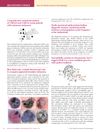 January 2012 in “Journal of Investigative Dermatology”
 Some Greek melanoma patients have gene mutations linked to increased cancer risk, a new color feature helps diagnose melanoma, the incidence of a skin condition in the Netherlands is rare, and a gene possibly affects male-pattern baldness.
 April 2007 in “Nature Clinical Practice Urology”
 TICE salvage chemotherapy is effective for treating germ-cell tumors with poor prognosis.
20 citations
,
March 1990 in “Archives of Dermatology” Nonimmunosuppressive cyclosporines might treat skin diseases by affecting cell growth.
74 citations
,
October 2012 in “The American Journal of Human Genetics” Mutations in the HOXC13 gene cause hair and nail development issues.
 57 citations
,
June 2003 in “American Journal of Physiology-cell Physiology”
57 citations
,
June 2003 in “American Journal of Physiology-cell Physiology” Cyclosporin A helps mice grow hair by blocking a specific protein activity in skin cells.
 88 citations
,
August 2019 in “Nature communications”
88 citations
,
August 2019 in “Nature communications” Researchers found a specific immune receptor in patients that causes severe skin reactions to a drug.
May 2018 in “The journal of immunology/The Journal of immunology” Mutations in the FOXN1 gene cause severe immune issues but don't affect hair and nails.
1 citations
,
August 2023 in “Biomolecules” Certain immune-related proteins are higher in people with alopecia and their healthy relatives, hinting at a genetic link.
 October 2018 in “Current Opinion in Genetics & Development”
 The document emphasizes the importance of ongoing research and ethical considerations in genome editing and cellular reprogramming.
5 citations
,
September 2019 in “Journal of Biomedical Optics” 1319-nm laser radiation can cause skin damage, with severity depending on exposure time and beam size.
19 citations
,
February 2001 in “Journal of paediatrics and child health” A new mutation in the mitochondrial DNA was found in a boy with MELAS, even though his family didn't show typical signs.
 103 citations
,
January 2009 in “Carbon”
103 citations
,
January 2009 in “Carbon” Pure carbon nanotubes are safe for mice, but impure ones cause immune issues and hair loss.
 January 2017 in “Elsevier eBooks”
 Antioxidants may help improve mitochondrial health and could be used to treat diseases related to cell damage.
 6 citations
,
September 2015 in “Journal of Investigative Dermatology”
6 citations
,
September 2015 in “Journal of Investigative Dermatology” Using special RNA to target a mutant gene fixed hair problems in mice.
 May 2026 in “Archives of Dermatological Research”
 Genetics likely cause premature graying hair, not vitamin levels.