IL-1 and IL-7 help activate cells that boost hair follicle stem cell growth, aiding wound healing.
IL-1 signaling is crucial for hair follicle stem cell growth and wound healing.
 223 citations
,
September 2018 in “Rheumatology”
223 citations
,
September 2018 in “Rheumatology” JAK inhibitors are effective in treating various immune-related diseases, not just rheumatoid arthritis.
Alopecia areata involves immune system changes, especially in severe cases, with potential new treatment targets identified.
11 citations
,
July 2012 in “Experimental dermatology” Innate immunity genes in hair follicle stem cells might have new roles beyond traditional immune functions.
3 citations
,
June 2025 in “Gyemyeong uidae haksulji” PDRN is effective and safe for healing wounds and skin issues.
77 citations
,
April 2016 in “British journal of dermatology/British journal of dermatology, Supplement” IL-17 is a key target for treating inflammatory skin diseases, especially psoriasis.
5 citations
,
January 2004 Stem cells help heal skin wounds by supporting tissue repair and regeneration.
58 citations
,
July 2018 in “Journal of Allergy and Clinical Immunology” Alopecia areata severity is linked to increased TH1 and TH2 activity.
 32 citations
,
March 2021 in “Journal of cosmetic dermatology (Print)”
32 citations
,
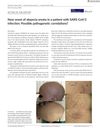
March 2021 in “Journal of cosmetic dermatology (Print)” COVID-19 infection may trigger alopecia areata in some patients.
65 citations
,
December 2015 in “Experimental dermatology” Corticosteroid treatment reduces inflammation and alters hair keratins in alopecia areata.
 60 citations
,
September 2015 in “Expert Review of Clinical Immunology”
60 citations
,
September 2015 in “Expert Review of Clinical Immunology” Lymphocytes, especially CD8+ T cells, play a key role in causing alopecia areata, and targeting them may lead to new treatments.
38 citations
,
September 2004 in “Journal of Autoimmunity” Alopecia areata patients have more activated T cells in their blood, which may help in developing treatments.
 16 citations
,
January 2016 in “Journal of Investigative Dermatology”
16 citations
,
January 2016 in “Journal of Investigative Dermatology” Mice without the IL-6 gene had more hair growth after injury due to higher activity of a related protein, Stat3.
9 citations
,
June 2021 in “Journal of Inflammation Research” Euph E and Euri A from Euphorbia neriifolia help control inflammation and immune response in cells.
 7 citations
,
February 2023 in “Inflammation and Regeneration”
7 citations
,
February 2023 in “Inflammation and Regeneration” The protein interleukin-1 alpha helps regenerate hair follicles and increase stem cell growth in mice.

Cepharanthine could be a strong antiviral against COVID-19.
1 citations
,
November 2024 in “Blood” PI3Kδ inhibition may effectively treat cutaneous chronic graft-versus-host disease.
 1 citations
,
October 2022 in “International Journal of Molecular Sciences”
1 citations
,
October 2022 in “International Journal of Molecular Sciences” Using healthy donor stem cells can potentially calm overactive immune cells and reduce inflammation in severe hair loss patients, offering a possible treatment method.
 1 citations
,
April 2018 in “Journal of Investigative Dermatology”
1 citations
,
April 2018 in “Journal of Investigative Dermatology” Fzd2 is important for skin and hair development through various signaling ways.

Plakophilin 1 helps control skin cell immune responses to prevent excessive inflammation.
 April 2025 in “BMC Immunology”
 Targeting SIRT1 with antisense oligonucleotides could be a promising treatment for hair loss.
 August 1994 in “Journal of dermatological science”
 Different substances affect hair and skin cell growth in various ways, with some promoting and others inhibiting cell proliferation.
July 2023 in “Journal of the European Academy of Dermatology and Venereology” Anti-IL17A therapy reduced venous leg ulcer size by 64% without major side effects.
 January 2025 in “Medical Research Archives”
 Hair follicles are vital for skin health, cancer prevention, and wound healing.
September 2019 in “Encyclopedia of Life Sciences” Wound healing involves complex signaling that stops bleeding, reduces damage, and repairs skin, sometimes without scarring.
December 2015 in “아시안뷰티화장품학술지” Green tea's EGCG has various health benefits, including antioxidant properties, skin protection, cancer cell growth inhibition, anti-inflammatory effects, fat breakdown, detoxification, diabetes management, hair growth stimulation, and prevention of gum disease.
 February 2025 in “Intisari Sains Medis”
 PDRN from salmon may slow skin aging by improving skin quality and reducing inflammation.
Hair turning darker can be a sign of skin cancer.
 1 citations
,
March 2019 in “Suez Canal University Medical Journal (Print)”
1 citations
,
March 2019 in “Suez Canal University Medical Journal (Print)” PRP speeds up healing with few side effects, but more research is needed to standardize its use.