Calcitriol and metformin together are more effective for treating PCOS and lowering MCP-1 than metformin alone.
January 2017 in “International Journal of Trichology” Vitamin D supplements might help reduce hair fall.
 January 2017 in “Open Journal of Endocrine and Metabolic Diseases”
 The document concludes that managing Dunnigan-Type Familial Partial Lipodystrophy involves treating associated health issues and using medications like metformin and leptin replacement.
 January 2013 in “International journal of trichology”
 Vitamin D3 and its receptor are important for hair growth, and understanding receptors could help treat hair graying and skin cancer.
January 2012 in “Human health handbooks” The skin produces and uses vitamin D for bone health, cell growth, and immune function.
 September 2011 in “Journal der Deutschen Dermatologischen Gesellschaft”
 Effective treatments for scalp psoriasis include glucocorticosteroids, Vitamin D3 analogs, and combination therapies like calcipotriol and betamethasone dipropionate.
December 2009 in “Expert review of dermatology” Vitamin D may help protect against nonmelanoma skin cancer.
 November 2009 in “Medical & surgical dermatology”
 The document concludes that Borrelia afzelii causes a skin condition in France, a gene is linked to hair loss in Caucasian women, and various genetic mutations affect skin diseases.
January 2006 in “Actualidad laboral” Vitamin D3 analogs can stimulate hair growth in mice with alopecia.
September 2005 in “CRC Press eBooks” Vitamin D is important for skin cell growth and health, and its active form and receptor play key roles in skin and hair processes.
January 1995 in “Revista de arqueología” 1 alpha,25-dihydroxy-vitamin D3 and calcipotriol speed up cell differentiation in hair follicles.
October 1990 in “Pediatric Research” Nocturnal calcium infusions improved a boy's severe rickets without causing hair loss.
September 2021 in “Journal of advances in medicine and medical research” Low Vitamin D levels are linked to female hair loss.
May 2021 in “Indian journal of forensic medicine and toxicology” Females with androgenic alopecia have significantly lower vitamin D3 and ferritin levels.
75 citations
,
September 2009 in “Dermato-endocrinology” The skin produces and processes hormones, affecting both local and overall body functions.
 61 citations
,
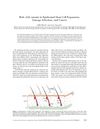
January 2008 in “Cold Spring Harbor Symposia on Quantitative Biology”
61 citations
,
January 2008 in “Cold Spring Harbor Symposia on Quantitative Biology” Beta-catenin is crucial for skin cell growth, development, and cancer formation.
39 citations
,
January 2017 in “Dermatologic Therapy” Topical calcipotriol may help treat alopecia areata, especially in those with low vitamin D.
 4 citations
,
September 2023 in “Stem cell research & therapy”
4 citations
,
September 2023 in “Stem cell research & therapy” Special particles from umbilical cord stem cells help heal skin wounds in diabetic mice by preventing certain immune cell death.
4 citations
,
January 2023 in “Pharmacology” Atorvastatin is less effective for women with Hashimoto's thyroiditis.
1 citations
,
July 2007 in “Journal of Investigative Dermatology” The mutation causes hairless mice due to mislocalized and dysfunctional HR protein.
 July 2023 in “Health science reports”
 Alopecia Areata is linked to a higher risk of several diseases, which vary with age and sex.
 January 2015 in “Indian Journal of Dermatology, Venereology and Leprology”
 The document concludes that various skin conditions have specific characteristics and treatments, and highlights the importance of vitamin D in managing these dermatological issues.
 82 citations
,
April 1981 in “Clinical endocrinology”
82 citations
,
April 1981 in “Clinical endocrinology” A girl with rickets and hair loss was found to have a rare condition where her body didn't respond to vitamin D treatment.
57 citations
,
August 1997 in “Pediatrics International” VDDR I and II are genetic disorders affecting vitamin D use, causing rickets, with VDDR I treatable by vitamin D supplements and VDDR II needing high doses and calcium.
54 citations
,
January 2012 in “Vitamins & Trace Elements” People with Alopecia Areata have lower vitamin D levels.
50 citations
,
September 2009 in “Molecular Genetics and Metabolism” A new gene mutation causes vitamin D resistance and rickets, treatable with calcium therapy.
49 citations
,
November 2013 in “The Journal of Steroid Biochemistry and Molecular Biology” Vitamin D receptor helps control skin cell growth and hair development.
37 citations
,
October 2006 in “Archives of Biochemistry and Biophysics” A unique gene mutation causes vitamin D-resistant rickets without causing hair loss.
36 citations
,
January 2010 in “Journal of Pediatric Endocrinology and Metabolism” A new gene mutation causes vitamin D resistance and hair loss in two unrelated girls.
34 citations
,
September 1997 in “Acta Dermato Venereologica” RXR agonists may promote hair growth in humans.